Tesla Cybercab Production Starts April 2026: The Autonomous Era Begins
⚡ 30-Second Brief
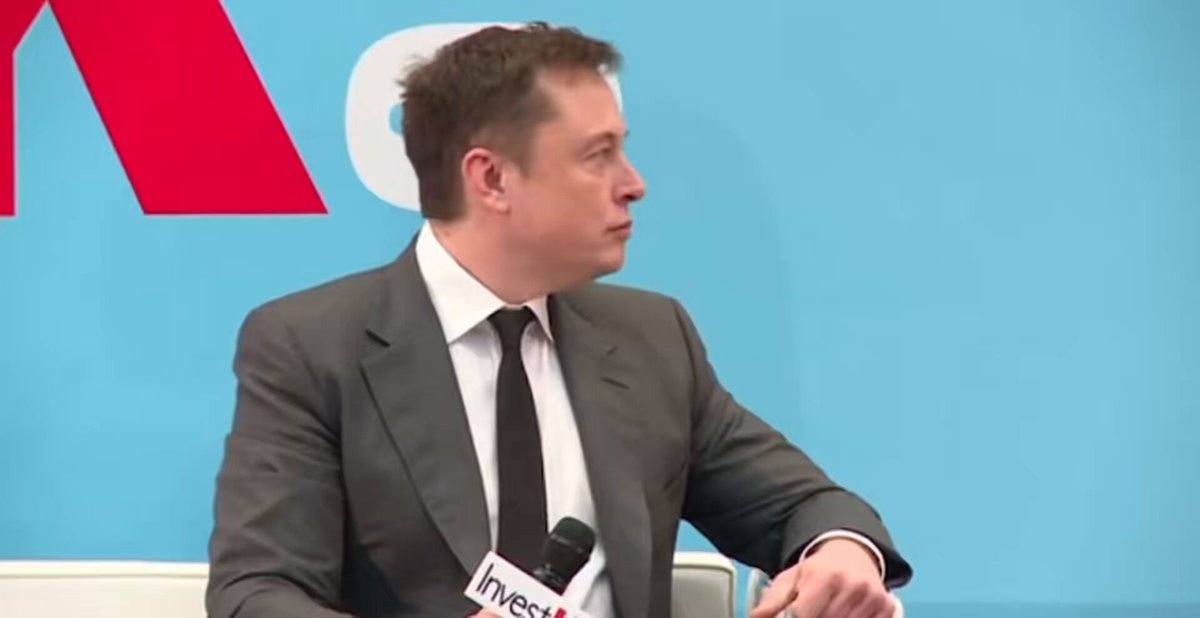
The News: Elon Musk announced that Tesla's Cybercab—a steering wheel-less, pedal-free autonomous vehicle—begins production this April.
Why It Matters: This marks Tesla's pivot from driver-assist to fully autonomous vehicles, signaling the imminent arrival of the robotaxi network that could transform how Tesla owners monetize their vehicles.
Source: @elonmusk on X

📊 Key Figures
| Metric | Value | Context |
|---|---|---|
| Production Start | April 2026 | Two months away, confirmed by Musk |
| Target Price | ~$25,000 | According to previous announcements |
| Production Rate Goal | 1 unit per 10 seconds | Using new 'Unboxed' manufacturing process |
| Annual Target | 2M robotaxis/year | Long-term production ambition |
🚗 What Makes Cybercab Different
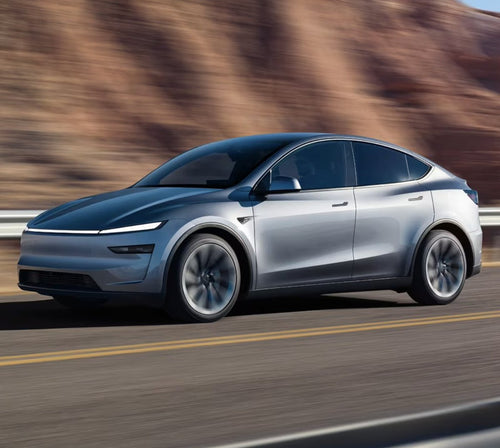
The Cybercab represents Tesla's boldest departure from conventional vehicle design. By eliminating the steering wheel and pedals entirely, Tesla has created a vehicle that exists solely for autonomous operation—there's no manual fallback, no human override. This isn't a Model 3 with extra sensors; it's purpose-built from the ground up for the robotaxi mission.
According to verified reports, the vehicle features a two-door coupe design optimized to minimize operational costs per mile. The engineering philosophy here is radically different: instead of designing a car that can drive itself, Tesla designed a self-driving platform that happens to carry passengers.
The technology foundation relies on Tesla's Full Self-Driving (FSD) software version 14.3 paired with Hardware 4.5. Current prototypes are undergoing winter testing in Alaska—a crucial validation step for autonomous systems that must perform flawlessly in all conditions. Meanwhile, driverless robotaxi rides have already commenced in Austin, Texas, providing real-world data to refine the system before mass production.
🏭 The Manufacturing Revolution
Tesla's new 'Unboxed' manufacturing process is as significant as the vehicle itself. Traditional automotive assembly moves a partially-built car down a line, adding components sequentially. Tesla's approach assembles major modules in parallel, then combines them in a final stage—potentially achieving production speeds of one Cybercab every 10 seconds, with a theoretical target of five seconds per unit.
This manufacturing innovation is critical to Tesla's robotaxi economics. At $25,000 per unit with sub-$0.20 per mile operating costs (estimates based on previous Tesla announcements), the business model only works at massive scale. The Unboxed process is designed to reach that scale faster than conventional methods.
However, Musk has warned that initial production will be 'agonizingly slow' as new technologies are integrated and debugged. This candid acknowledgment suggests April will mark the beginning of a production ramp, not an immediate flood of vehicles.
🔭 The BASENOR Take
Timeline Analysis
April 2026: Initial production begins (low volume, validation phase)
Q3-Q4 2026: Production ramp accelerates as manufacturing kinks are resolved
2027+: Mass deployment to robotaxi network, potential for customer purchases
Impact Level: 🔥🔥🔥🔥 (Transformational)
This isn't just another Tesla vehicle—it's the foundation of an entirely new business model. If successful, the Cybercab network could generate recurring revenue that dwarfs traditional automotive sales.
Confidence Rating: ⭐⭐⭐⭐ (High)
Musk has consistently reaffirmed the April 2026 timeline at shareholder meetings and in public statements. Prototypes are already testing, and manufacturing infrastructure is being prepared. The timeline appears credible, though the 'agonizingly slow' caveat suggests initial volumes will be limited.
🤔 What This Means for Tesla Owners
For Current Owners: The Cybercab validates Tesla's long-term FSD strategy. Every software improvement made for Cybercab will flow back to consumer vehicles. As the robotaxi network matures, Tesla owners with FSD may gain the ability to add their vehicles to the fleet, generating passive income when not in use—a promise Musk has made repeatedly.
For Prospective Buyers: If you're considering a Tesla purchase in 2026, the calculus is changing. A vehicle that can earn money when you're not driving it has different economics than a traditional car. The timeline to network participation remains unclear, but the infrastructure is being built now.
For Investors in the Tesla Ecosystem: This production start represents the transition from concept to reality. Tesla is betting billions on autonomous ride-hailing. The Cybercab's success or failure will define the company's next decade.
⚠️ The Regulatory Wild Card
Notably absent from Musk's announcement: regulatory approval timelines. A vehicle without steering wheels or pedals requires explicit exemptions from federal motor vehicle safety standards in the U.S. and similar approvals globally. Tesla has not publicly disclosed which jurisdictions have granted these exemptions.
The Austin robotaxi program suggests Texas has provided a path forward, but national deployment will require coordination with the National Highway Traffic Safety Administration (NHTSA). This regulatory layer could significantly impact where and when Cybercabs actually operate at scale.
📰 Deep Dive: The Autonomous Inflection Point
April 2026 may be remembered as the month the autonomous vehicle industry shifted from perpetual 'five years away' to 'actually happening.' Tesla's approach—skipping the geofenced, safety-driver phase that competitors like Waymo employed—is high-risk, high-reward. By going straight to production of a vehicle incapable of human operation, Tesla is forcing the autonomy system to be production-ready from day one.
The competitive landscape is watching closely. Traditional automakers have largely retreated from full autonomy, citing costs and liability concerns. Tesla is charging ahead, betting that its data advantage (millions of FSD-equipped vehicles continuously training the neural network) has created an insurmountable moat. The Cybercab is the ultimate validation of this thesis—or its most public failure point.
For the broader Tesla community, this announcement crystallizes the company's dual identity. Tesla sells cars, yes, but increasingly positions itself as an AI robotics company that happens to use vehicles as its primary deployment platform. The Cybercab, with its alien design and singular purpose, embodies this transformation more than any previous Tesla product.
The next two months will reveal crucial details: manufacturing partner announcements, initial production volume targets, and perhaps most importantly, where the first Cybercabs will actually be allowed to drive without human controls. Tesla has set the timeline. Now comes the hardest part—execution at the scale and safety level required to transform urban transportation.
🚕 Following the Robotaxi rollout? See every operating city, launch date and announced market in our Tesla Robotaxi Tracker.
Related Gear
Gear up your Tesla with tested, custom-fit BASENOR accessories — shop Tesla accessories →
Sources & reporting notes
The links below identify the material source records used for this report.
- @elonmusk on X (2026-02-16T14:49:48.000Z) — Direct source
Source links are preserved as published or accessed. See our editorial standards and corrections policy.
The BASENOR Editorial Desk covers Tesla, SpaceX, and related technology, curating reporting from primary sources — official accounts, regulatory filings, and software release data. Every article passes source-record and fact-checking review before publication. About the newsroom.
This report was curated by the BASENOR Editorial Desk from the sources listed above. Read our editorial standards or email editorial@basenor.com to report an error.