
Tesla Fixes & Upgrade Guides
Solve common Tesla ownership problems with data-driven solutions. From wind noise reduction (with dB test data) to white seat care, curb rash fixes, and screen glare solutions. Every guide includes real testing results.
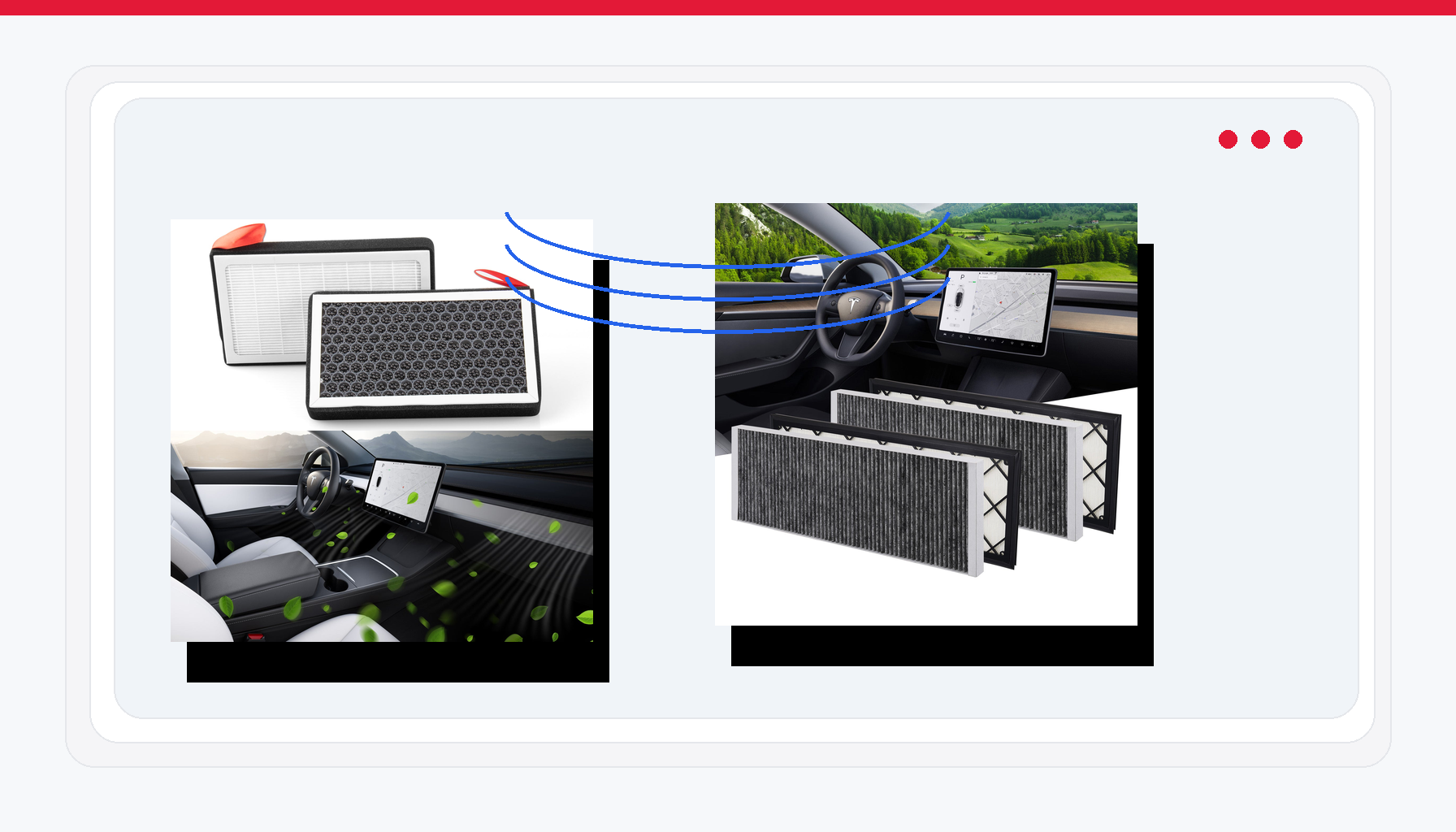
Tesla A/C Smell in Model 3/Y: What Actually Fixes It
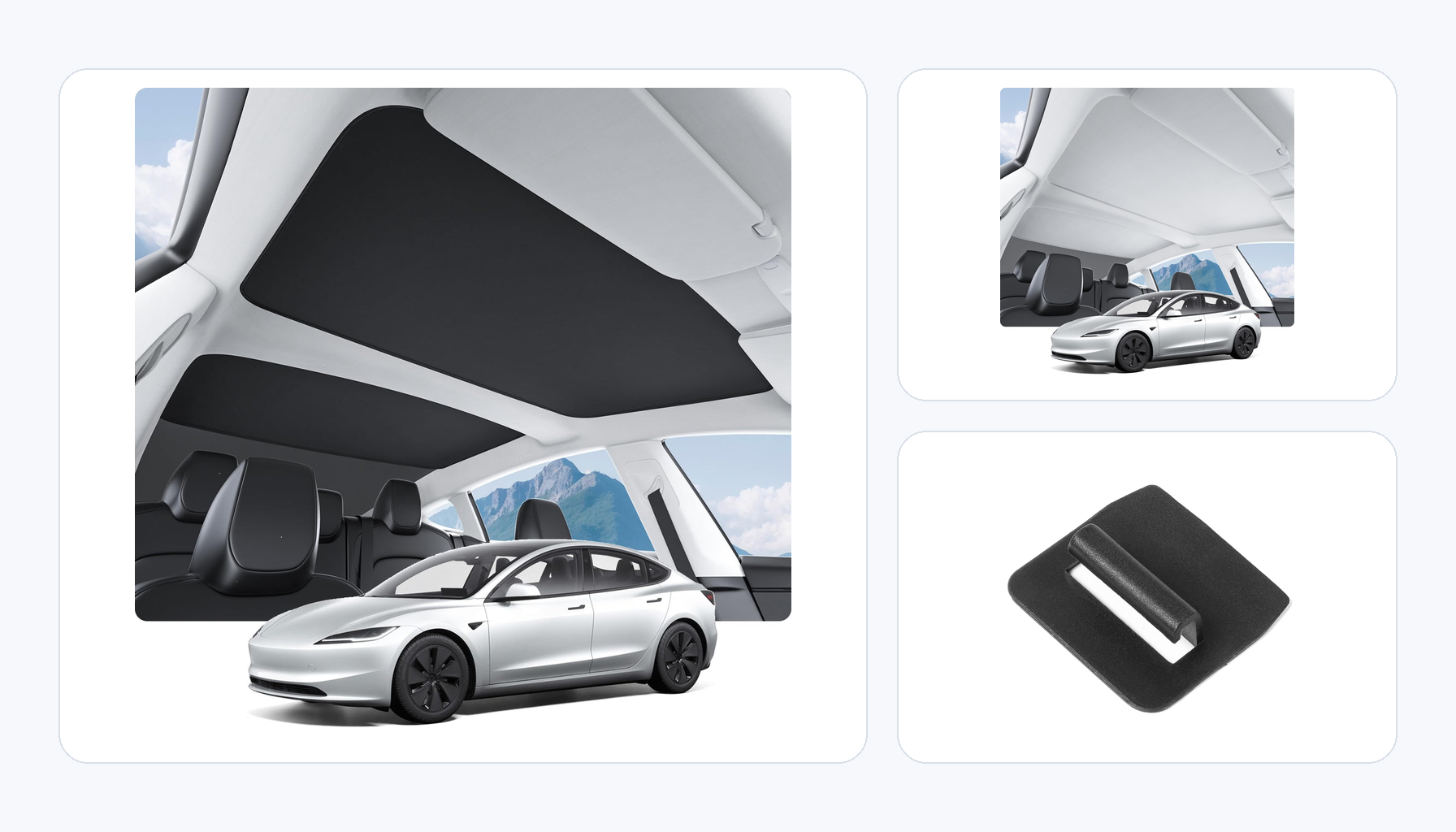
Tesla Model 3 Glass Roof: It Does Not Open — What Owners Can Do Instead

Model 3 Highland Problems: 7 Complaints We Traced to 3 Causes
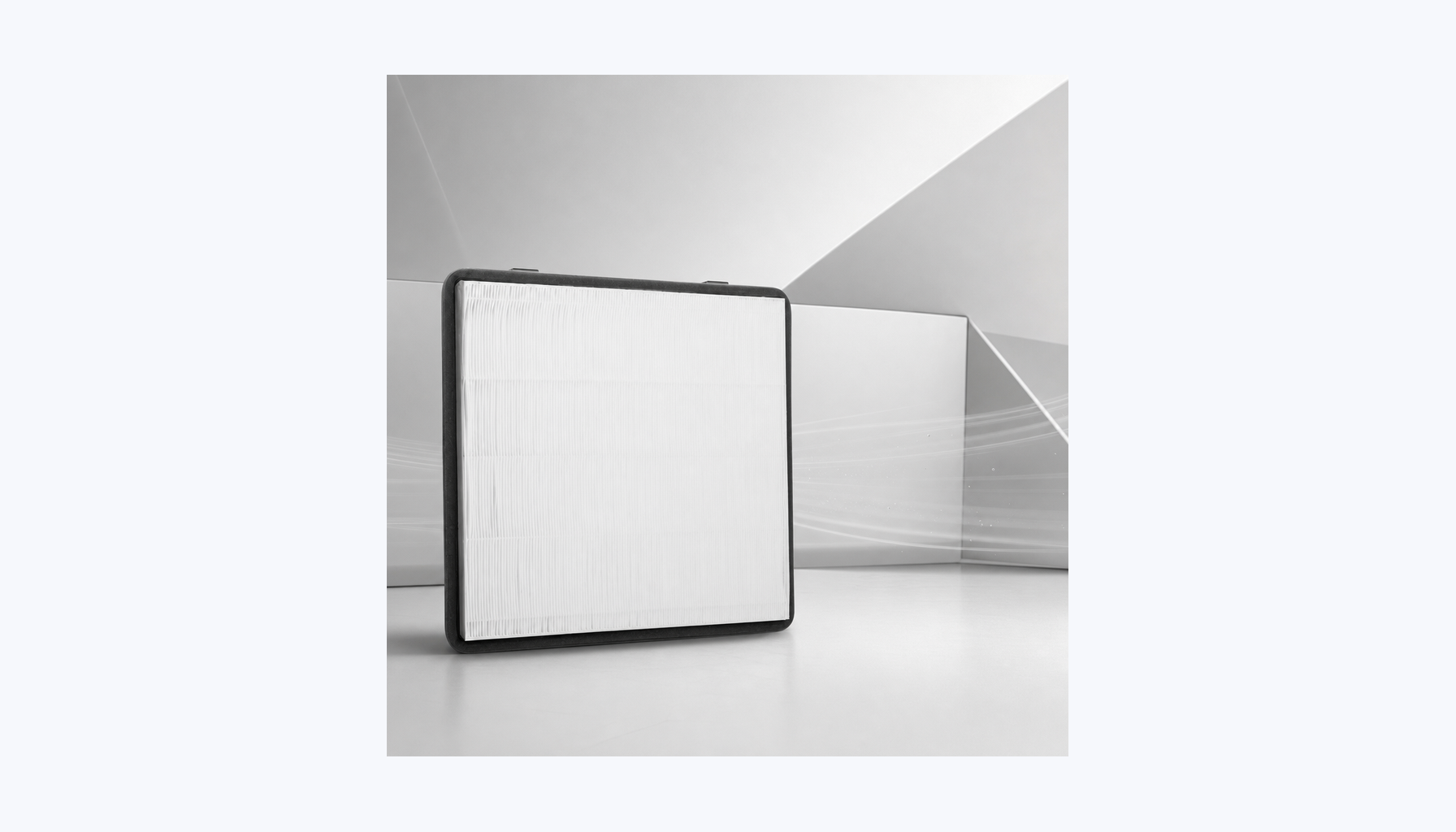
Cybertruck Cabin Air Smells Dusty? We Traced It to the HEPA Filter

Tesla Glass Roof Too Hot: We Tested What Actually Helps
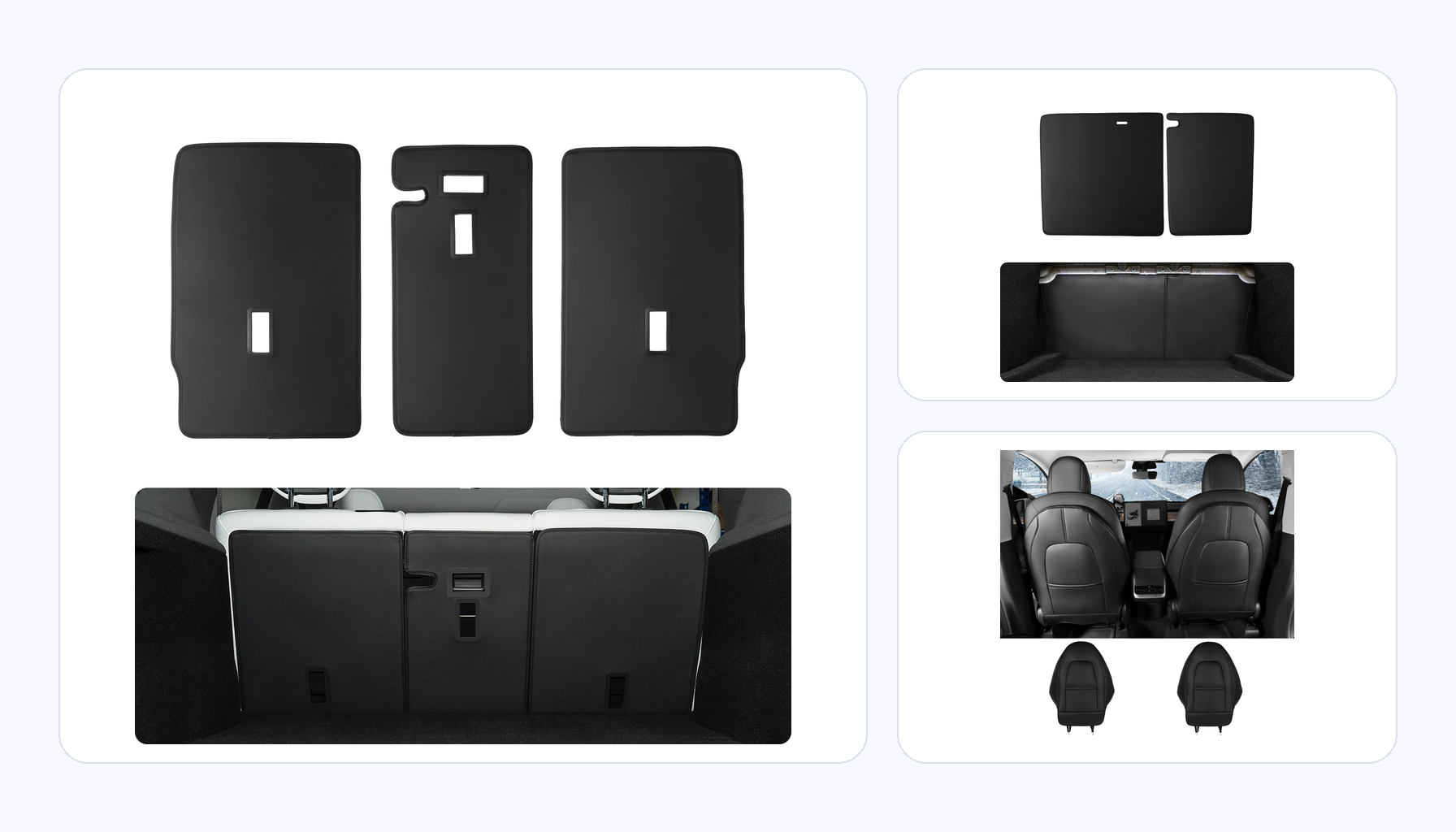
How to Clean Tesla White Seats (And Remove Blue Jean Stains)
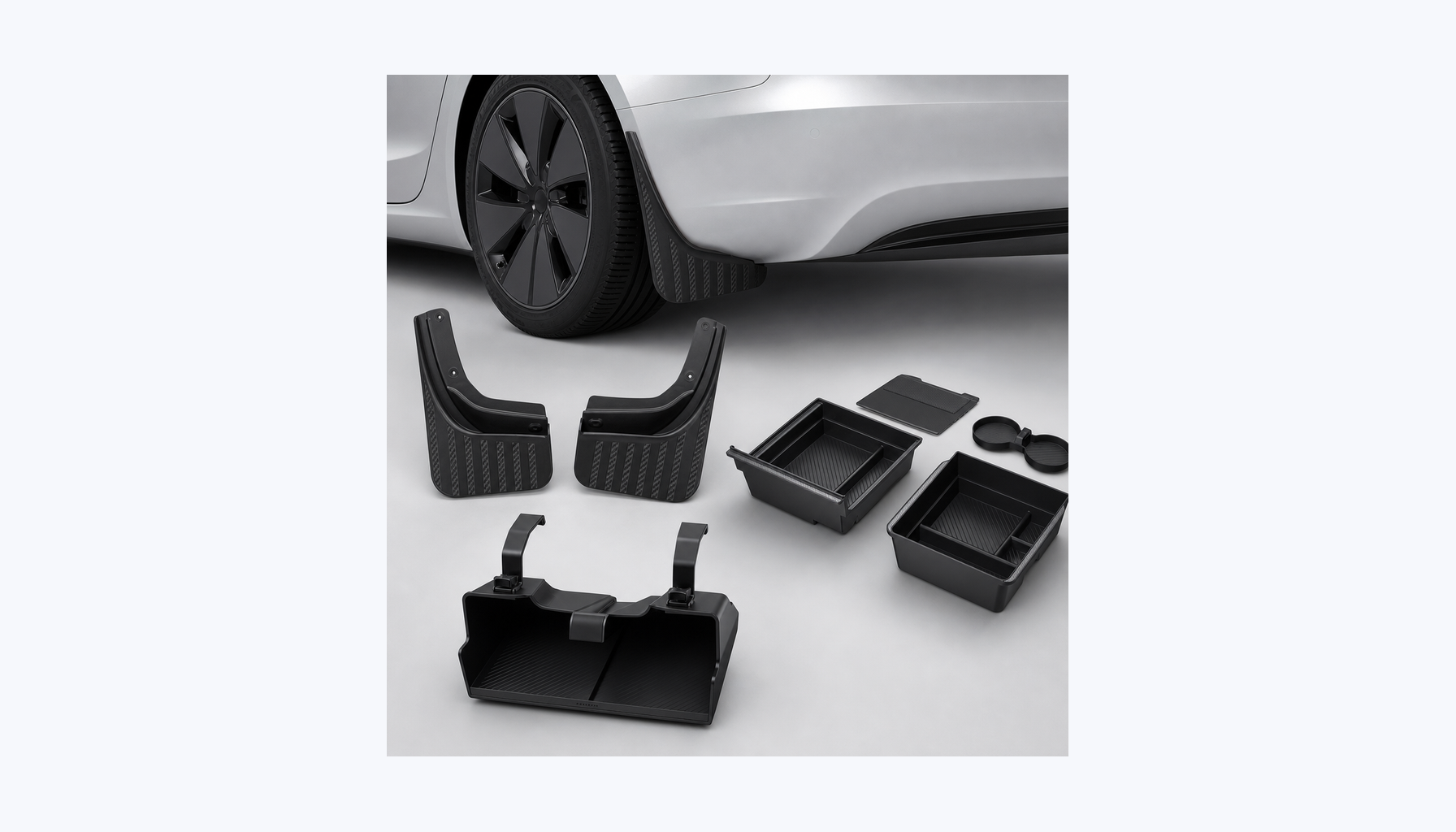
Tesla Model 3 Highland Accessories: Common Mistakes and Fixes
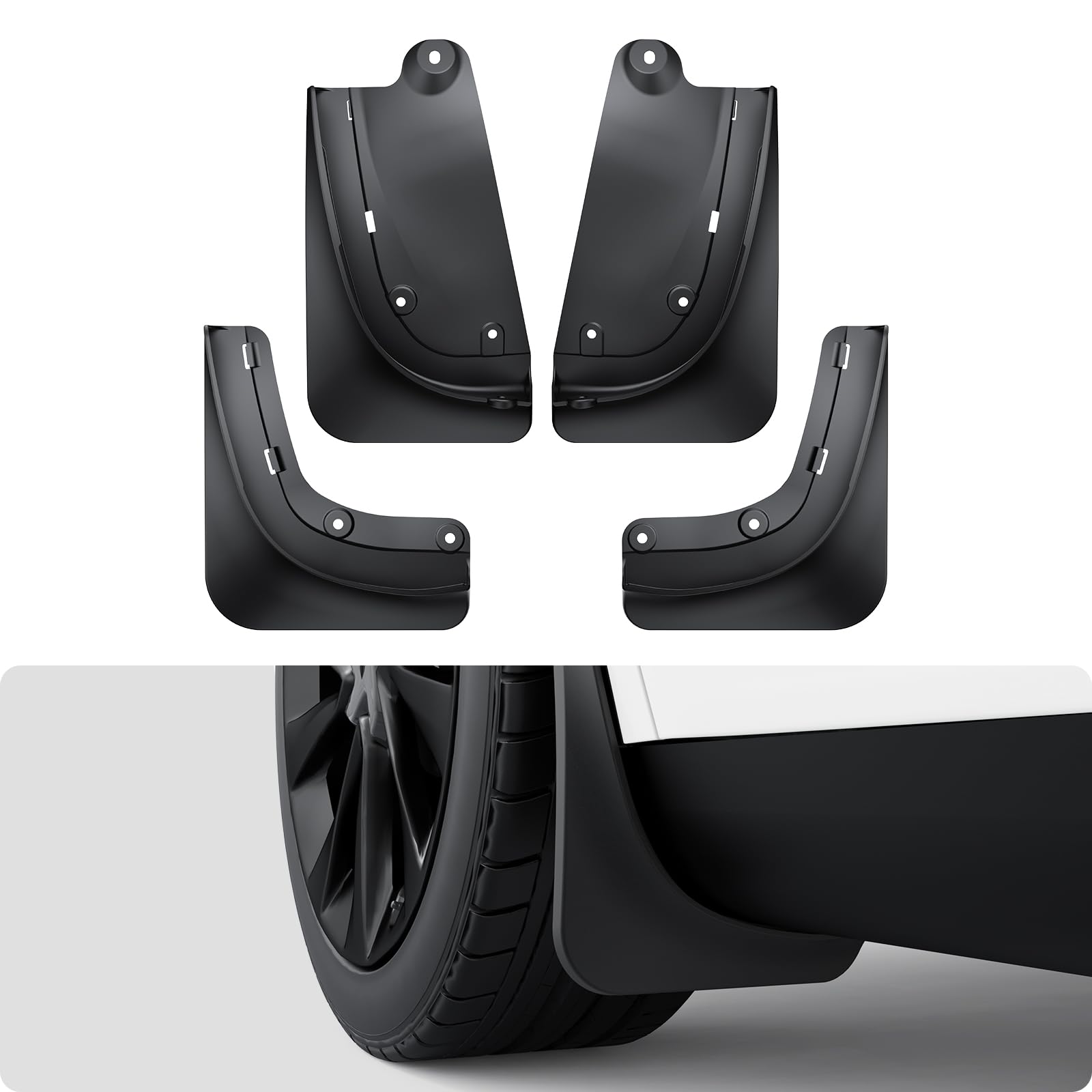
Why Your Tesla Accessory Feels Cheap — Owner-Tested Fixes
A Tesla accessory that feels cheap in your hand is not always a bad part. In our lab checks, the real quality test is installed behavior: edge stability, surface finish, clip tension, adhesive contact, and whether the material matches the…
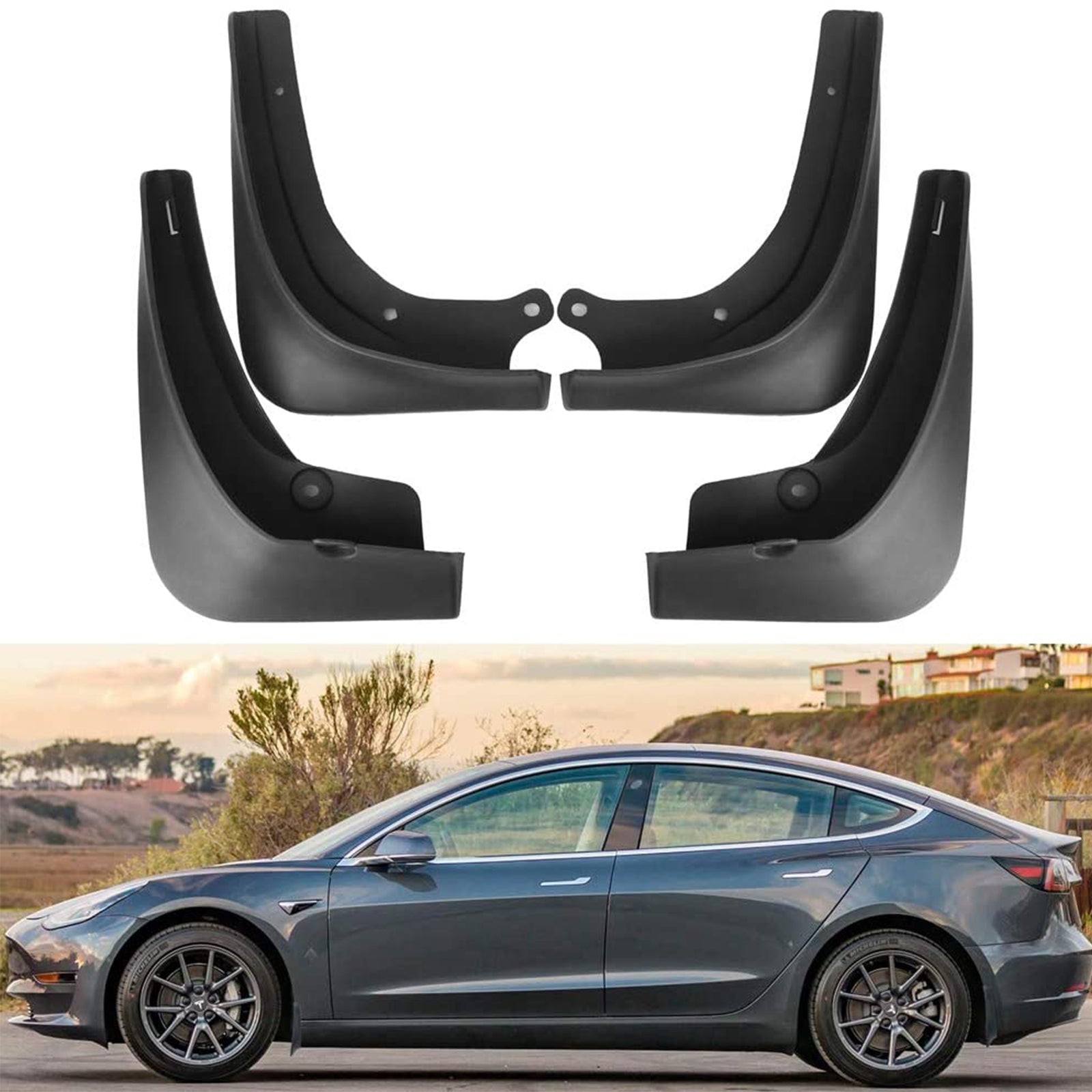
Why Your Tesla Accessory Feels Too Thin — Owner-Tested Fixes
A thin Tesla accessory is not automatically cheap, unsafe, or wrong. In our fitment checks, thinness is either an intentional clearance choice, a material-flexibility choice, or a real warning sign when the part curls, shifts, lifts, or…

Why Is My Tesla Accessory Peeling? Owner-Tested Fixes
Peeling usually is not one mysterious defect. On adhesive-backed trim, wraps, protectors, and interior dress-up pieces, edge lift normally comes from surface contamination, cold installation, moisture, not enough pressure, or trying to…
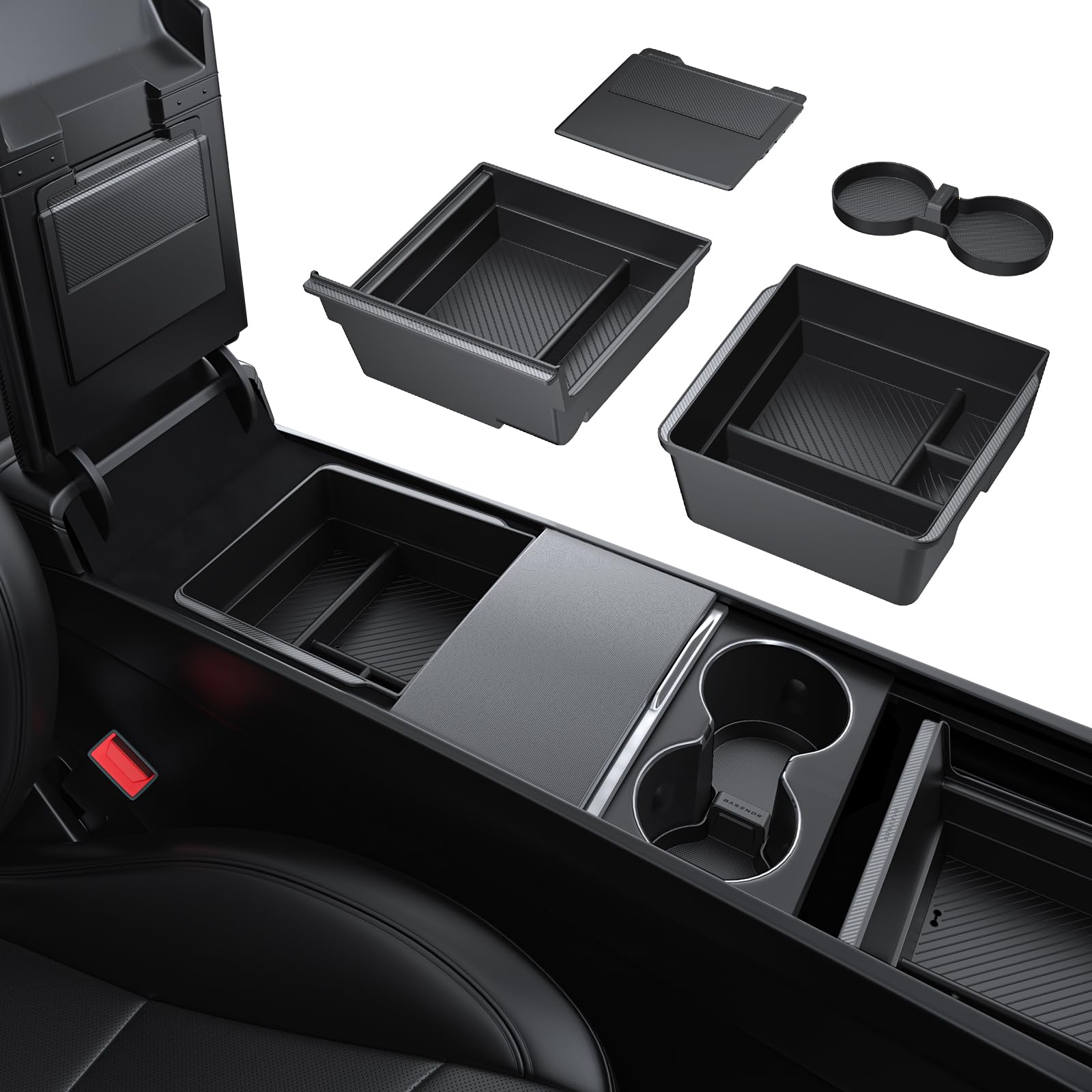
Tesla Model 3/Y Center Console Problems: Why They Happen and How to Fix Them
Most Model 3 and Model Y center-console complaints are not electronic failures. They are fitment and daily-use problems: loose items rattling, cup holders that feel too tight or too loose, armrest scratches, or organizers bought for the…
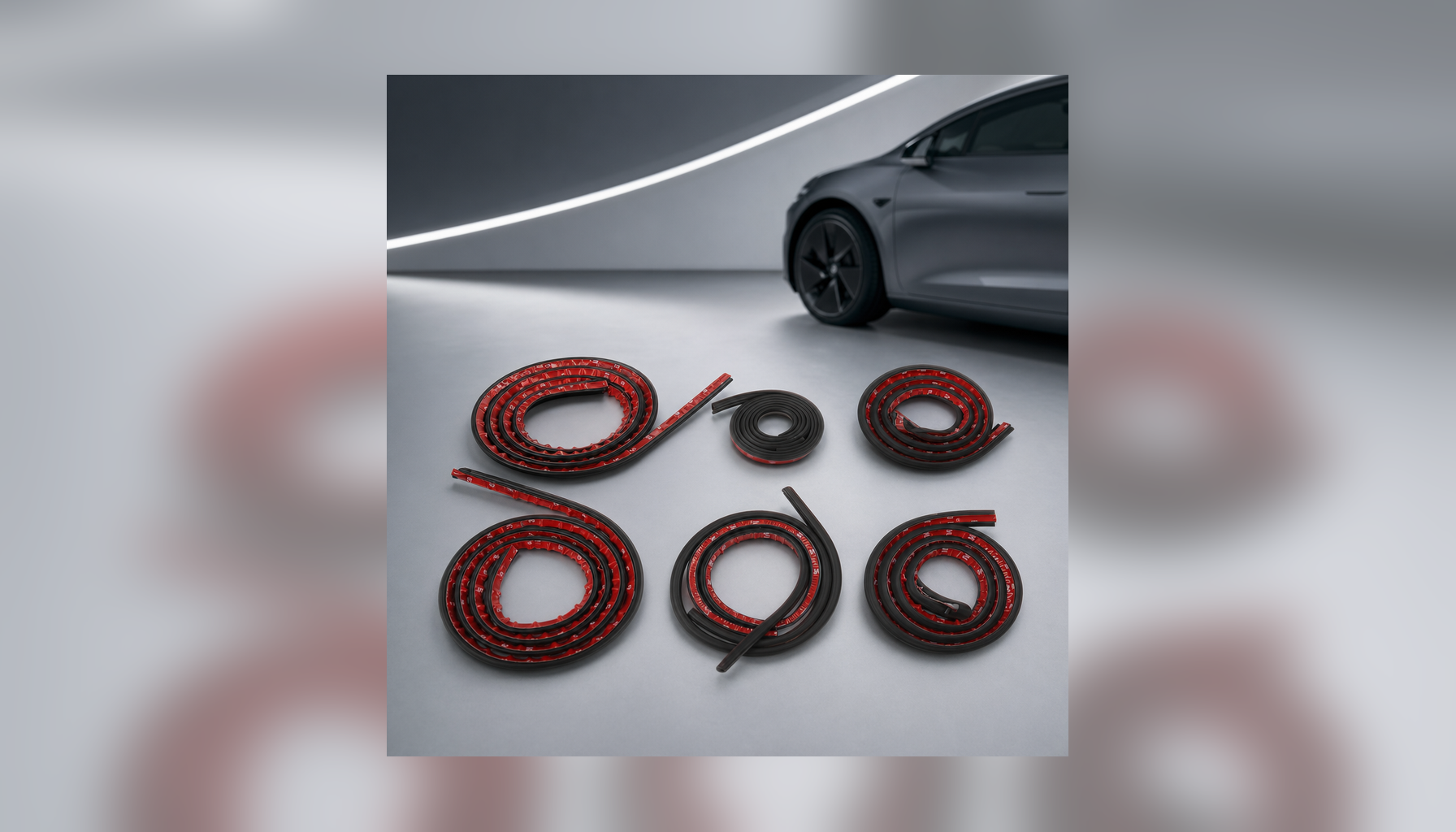
Tesla Model 3 Door Seal Problems: Why They Happen and How to Fix Them
Most Model 3 door-seal complaints are not one single failure. In our installs, the usual causes are uneven seal compression, window-to-seal pressure, or missing secondary sealing around the door, frunk, and trunk edges.