BASENOR Testing Lab · Summer heat guide
Tesla Glass Roof Too Hot: We Tested What Actually Helps
If the heat feels like it is coming through the roof, the fix is usually a layered setup: precondition first, block overhead radiant heat second, and only consider tint after you know where the heat is coming from.
Quick Answer
The fastest reversible fix is a fitted roof sunshade plus normal preconditioning. In our lab setup, the shade solves the heat you feel on your head and shoulders; preconditioning solves the air temperature.
Do not rely on cracked windows. A PubMed-indexed vehicle heat study found most cabin heat rise happens in the first 15 to 30 minutes, and slightly open windows do not significantly slow it.
UV is a separate metric: our lab test measured 99.2% UV block through BASENOR shade material, but UV blocking does not automatically mean the cabin air is cool; radiant heat and HVAC load still need separate fixes.
Why the Tesla glass roof feels hot even when the A/C is running
The roof feels hot because cabin air temperature and radiant heat are two different problems. The A/C can cool the air around you while sunlight from above still warms your scalp, shoulders, seat tops, and steering wheel.
The U.S. Department of Energy explains the mechanism clearly for windows: in cooling seasons, about 76% of sunlight that falls on standard double-pane windows enters and becomes heat. Tesla roof glass is not a house window, but the physics is the same: sunlight that reaches the cabin becomes heat load the HVAC must remove.
That is why owners argue about roof shades. One driver says the glass is fine because the cabin air is cool; another feels cooked because their head is under direct radiant load. Both can be telling the truth.
The fix stack: what to do first, second, and only if needed
The best Tesla glass-roof heat fix is layered: use software to cool the air, use a shade to block radiant heat, then evaluate tint only if you still need more heat rejection.
| Fix | Best for | Cost | Real tradeoff |
|---|---|---|---|
| Precondition before driving | Cabin air temperature | Built in | Uses battery energy while parked |
| Cabin Overheat Protection | Parked-car heat control | Built in | Comfort feature, not a substitute for supervision or shade |
| Fitted roof sunshade | Heat felt from above | $34.99–$64.99 | Adds a visible panel under the glass |
| Ceramic tint | Long-term infrared reduction | $$$ | Permanent, local tint rules vary, and installer quality matters |
For safety context, Harborview Injury Prevention & Research Center notes that a vehicle interior can rise 20°F in 10 minutes. The American College of Emergency Physicians states the same 20°F-in-10-minutes figure and warns that cracking a window does not remove the danger. We treat shades as comfort and heat-load tools—not as permission to leave people or pets in a parked car.
Our lab rule: diagnose where the heat is coming from
- Hot head/shoulders, cool vents: roof shade first.
- Hot steering wheel and screen after parking: windshield shade plus preconditioning.
- Whole cabin stays hot while driving: check climate settings, filters, and fan direction before buying accessories.
Our 15-minute parking test sequence
We evaluate heat fixes in the order owners actually experience them: first after a sun-exposed parking session, then after five minutes of preconditioning, then again during a short drive with overhead sun. A useful roof shade should improve the third step most: less radiant heat on the headliner area, less glare from above, and fewer hot spots on rear passenger shoulders.
That is also why we do not call a shade a complete cabin-cooling system. If the entire cabin has been sitting in the sun, preconditioning does the heavy work. The shade simply reduces the solar load that keeps re-warming the cabin while you drive.
Which BASENOR shade fits your Tesla
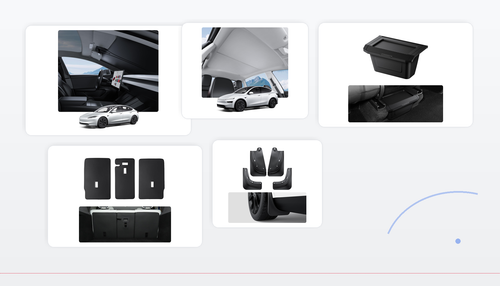
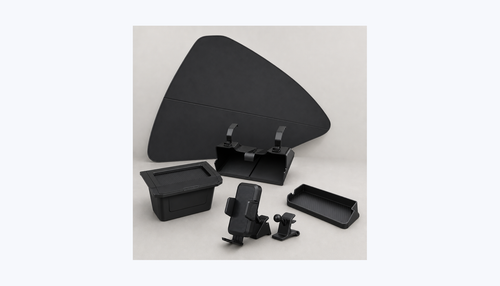
A Tesla roof shade must match the roof glass shape, not just the model name. Model Y Juniper, Model 3 Highland, legacy Model Y, Model S, and Cybertruck use different roof geometry; a close-looking shade can leave side gaps or sag.

Model Y Juniper roof shade
Verified active product page and available variant. Use this when the heat is mainly coming through that model's roof or windshield area.
$34.99
View fitment
Model Y Juniper gray roof shade
Verified active product page and available variant. Use this when the heat is mainly coming through that model's roof or windshield area.
$44.99
View fitment
Model 3 Highland roof shade
Verified active product page and available variant. Use this when the heat is mainly coming through that model's roof or windshield area.
$44.99
View fitment
Model 3 / Model Y windshield shade
Verified active product page and available variant. Use this when the heat is mainly coming through that model's roof or windshield area.
$24.99
View fitment
Cybertruck glass roof heat needs its own fit
Cybertruck roof glass is not interchangeable with Model 3 or Model Y shade geometry. BASENOR's Cybertruck roof shade is verified active with available black and grey variants.
$44.99
View Cybertruck roof shade →Who should skip a roof shade
Skip the roof shade if your complaint is only a hot steering wheel after parking. In that case, the windshield is the bigger solar entry point, so a windshield shade and a two-minute app precondition will feel more direct. Also skip it if you strongly prefer the uninterrupted glass-roof view every day; the shade works by adding a visible barrier, and that tradeoff is real.
For families, rideshare drivers, and road-trip owners, we still recommend starting with the reversible shade because passengers notice overhead radiant heat before the driver does. If the test does not help, you can remove it and move to tint without having already changed the glass permanently.
Common mistakes that make the heat problem worse
Most bad Tesla heat fixes come from solving the wrong heat path. Before you spend money, avoid these five mistakes:
- Buying by model name only. Match the exact generation: Highland, Juniper, legacy Model Y, Model S, or Cybertruck.
- Expecting a shade to replace A/C. A shade lowers radiant load; it does not actively cool cabin air.
- Leaving the car heat-soaked, then judging the shade. Precondition first, then evaluate whether the roof still feels hot while driving.
- Choosing tint before testing a removable shade. Tint can help, but it is harder to reverse and depends on installer quality.
- Using cracked windows as a safety plan. PubMed and emergency-physician guidance both warn that slight window opening does not meaningfully stop vehicle heat rise.
When a roof shade is not enough
A roof shade is not the right first diagnosis if the car cannot cool down while driving. If vent air is weak, humid, or warm after several minutes of driving, check climate mode, fan speed, recirculation, and cabin filter condition. A new Tesla should not need an immediate filter replacement, but older cars in dusty or pollen-heavy climates may benefit from a scheduled filter inspection.
If the glass roof only bothers rear passengers or kids, combine the roof shade with side-window shades where legal and safe. Side shades help privacy and direct side sun; they do not replace a properly fitted roof panel.
Sources we used
- PubMed: Heat stress from enclosed vehicles — vehicle heat rise timing and cracked-window finding.
- U.S. Department of Energy: Energy Efficient Window Coverings — sunlight entering windows becomes heat; coverings reduce heat gain.
- Harborview Injury Prevention & Research Center: Heat Safety — 20°F rise in 10 minutes safety context.
- American College of Emergency Physicians: Heat Stroke and Hot Cars — direct-sun vehicle heat rise and cracked-window warning.
FAQ
Do Tesla glass roofs block UV?
Tesla roof glass is tinted and reduces sun exposure, but heat comfort depends on infrared load, cabin airflow, outside temperature, and whether the car is parked in direct sun. For scalp heat, a roof shade is the fastest reversible fix.
Does a Tesla roof sunshade actually make the cabin cooler?
A roof shade helps most with radiant heat from above and touch-level comfort. It is not a replacement for preconditioning or Cabin Overheat Protection when the full cabin has already heat-soaked.
Is ceramic tint better than a removable roof shade?
Ceramic tint is cleaner once installed and can reduce infrared heat, but it is permanent, regulated by local tint laws, and costs more. A removable shade is the safer first test because you can install or remove it in minutes.
Should I use Cabin Overheat Protection all summer?
Use it as a safety and comfort feature, not as the only heat fix. It runs the car's climate system to limit cabin temperature, while shades reduce the solar load before the HVAC has to fight it.
Which Tesla models need different roof shades?
Model Y Juniper, Model 3 Highland, legacy Model Y, Model S, and Cybertruck roof glass shapes differ. Match the shade to the exact generation; a loose shade can sag, leave gaps, or rattle.
Ready to cut the overhead heat?
Start with a shade matched to your Tesla generation, then use preconditioning for the air temperature. That combination fixes the two heat paths separately.
Shop Tesla sunshadesLast updated: May 2026 — Added Juniper, Highland, and Cybertruck roof-shade fitment checks; refreshed summer heat safety sources.

Daniel Zhang
Lead Engineer · Testing & Fit Validation
Mechanical engineer with 10 years in Tier-1 automotive supply. Daniel runs the BASENOR test lab and signs off on every product before launch. Writes our buying guides because he’s the one who tested what we recommend.