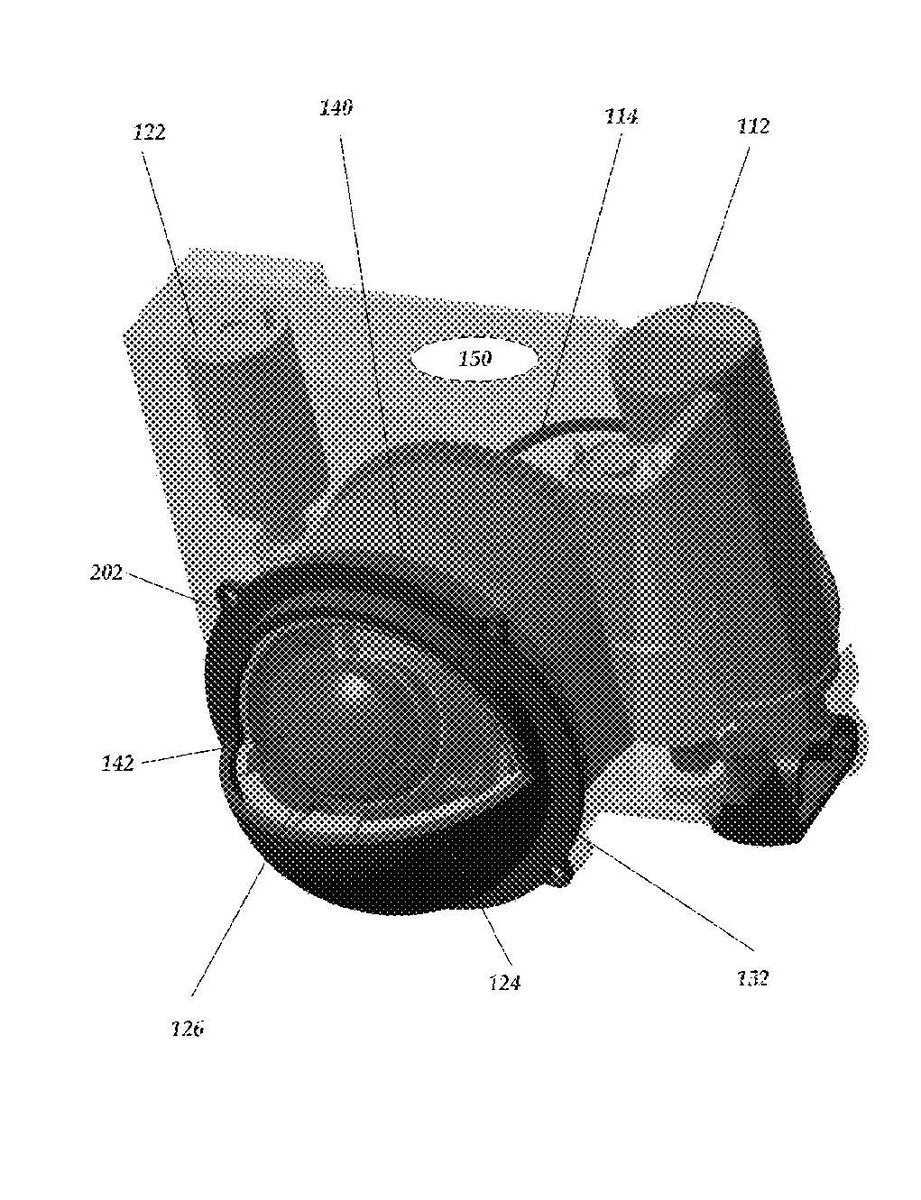
Tesla has secured a patent for a camera cleaning system that doesn't just function well — it's designed to look and behave like a human eye. The system combines a spherical lens assembly, integrated fluid dispensing (essentially artificial tears), and an automatic wiper to keep the lens clear. The likely targets: the Cybercab robotaxi or the Optimus humanoid robot, both of which depend on unobstructed camera vision to operate safely in the real world.

The biomimetic design is a notable departure from the flat, externally-mounted camera washers found on current Tesla vehicles. By building the cleaning mechanism directly into a spherical lens housing — complete with fluid channels that dispense liquid around the lens surface the way a tear duct lubricates the eye — Tesla is engineering something that can clean itself continuously and discreetly, without bulky external nozzles or exposed wiper arms.
Camera cleanliness is a non-negotiable for any autonomous system. Rain, dust, insects, and road grime can degrade sensor input in seconds, and for a robotaxi operating without a human safety driver, a smeared lens isn't just an inconvenience — it's a safety failure. The same logic applies to Optimus: a humanoid robot navigating physical environments needs vision that stays reliable regardless of conditions. Designing the cleaning system to resemble a human eye also makes sense for Optimus from a form-factor perspective, where a natural-looking eye housing would integrate more cleanly than an industrial camera mount.
Tesla has a history of patenting camera and sensor maintenance systems as it scales its autonomous ambitions, and this one signals the company is thinking carefully about long-term reliability in uncontrolled environments — not just raw compute power or neural net performance. Whether this specific design makes it into production hardware for Cybercab's anticipated launch or an upcoming Optimus revision remains to be seen, but the engineering intent is clear.

Sarah focuses on Tesla Energy, SpaceX missions, and the broader Musk AI portfolio. Former data analyst in clean energy. Based in San Francisco.
Sources verified at publish time. Spotted an inaccuracy? Email editorial@basenor.com.