LG Energy Solution is quietly ramping up cylindrical battery production at its Nanjing manufacturing complex in China — and Tesla's growing demand for Model Y batteries is the primary driver. According to industry sources cited by The Elec on July 9, 2026, new production lines are coming online at a facility that has been running at full capacity since late last year. Here's what the expansion actually means, broken down into the five most important facts.
1. A Long-Idle Plant Is Finally Coming Online
Plant 9 at LG Energy Solution's Nanjing complex was completed two to three years ago but has sat largely dormant until now. The facility is part of LGESNJ — the subsidiary responsible for cylindrical battery production in Nanjing — which operates nine factories across five sites in the area. With existing lines running flat-out since late 2025, LG has turned to Plant 9 as the logical next step rather than building entirely new infrastructure. Staffing for the new lines is already complete, with employees expected to be formally assigned around July 20, 2026.
2. Two New Lines, Each Capable of 2 GWh Per Year
LG Energy Solution plans to activate two newly installed cylindrical battery production lines at Plant 9 during the second half of 2026. Each line carries an annual production capacity of approximately 2 gigawatt-hours (GWh), adding a combined 4 GWh of new output. To put that in perspective, a single GWh of cylindrical cell capacity can supply batteries for tens of thousands of electric vehicles annually, depending on pack size. This is a meaningful near-term capacity addition, not a token gesture.
3. Plant 9 Is Modeled After LG's Most Advanced Facility
The new lines at Plant 9 are not being built from scratch on a new template — they are deliberately modeled after Plant 6, which LG Energy Solution internally identifies as its most technologically advanced cylindrical battery plant. That means the Nanjing expansion is designed to replicate proven, high-efficiency manufacturing processes from the outset, reducing the ramp-up risk that typically accompanies new production lines. For Tesla, this matters: battery consistency and yield rates directly affect vehicle quality and delivery timelines.
4. Total Capacity Is Targeted to Reach Double-Digit GWh
The two initial lines are just the beginning. LG Energy Solution's investment plan envisions subsequent phases that would push total cylindrical battery capacity at the Nanjing complex into the double-digit GWh range. The company confirmed through a spokesperson that it is utilizing existing manufacturing facilities in response to a growing market for cylindrical batteries — though it declined to name specific customers. Given that Tesla's Model Y is the dominant cylindrical-cell EV in the Chinese market, the direction of that demand is not difficult to read.
5. The Timing Aligns With Tesla's China Production Push
LG Energy Solution's Nanjing expansion does not exist in a vacuum. Tesla's Gigafactory Shanghai remains one of the highest-volume vehicle manufacturing plants in the world, and the Model Y — which uses cylindrical cells — continues to be a top-selling EV in China. Existing LG cylindrical lines reaching full capacity by late 2025 tracks closely with Tesla's sustained production ramp through that period. The second-half 2026 activation window for Plant 9's new lines positions LG to support whatever demand Tesla is projecting for 2027 and beyond, particularly as the refreshed Model Y Juniper continues its sales cycle in the Chinese market.
What This Means for Tesla Owners
Supply chain expansions rarely make headlines the way a new feature update does, but battery supply is ultimately what determines whether Tesla can build and deliver vehicles on schedule. LG Energy Solution adding 4 GWh of near-term capacity — with a clear roadmap to double digits — reduces one of the key constraints on Tesla's China output. For anyone waiting on a Model Y order or watching Tesla's delivery numbers, this is a quietly important development.
Related Gear
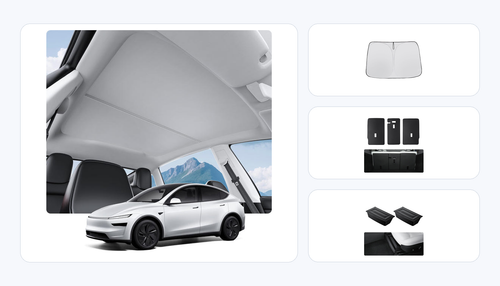
Gear up your Model Y with tested, custom-fit BASENOR accessories — shop Model Y accessories →
Sources & reporting notes
This article does not include retained source links. Our editorial standards and corrections policy, linked below, explain how BASENOR sources its reporting and how to request a correction.
Source links are preserved as published or accessed. See our editorial standards and corrections policy.
The BASENOR Editorial Desk covers Tesla, SpaceX, and related technology, curating reporting from primary sources — official accounts, regulatory filings, and software release data. Every article passes source-record and fact-checking review before publication. About the newsroom.
This report was curated by the BASENOR Editorial Desk from the sources listed above. Read our editorial standards or email editorial@basenor.com to report an error.