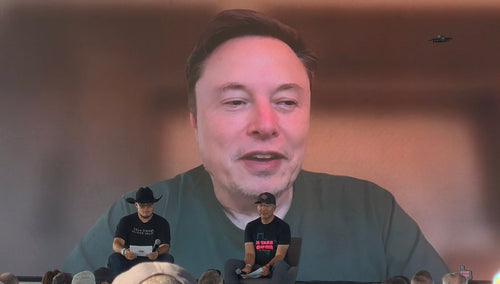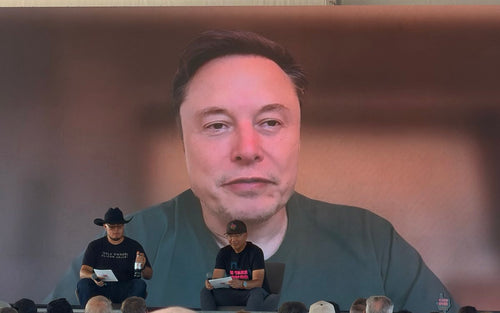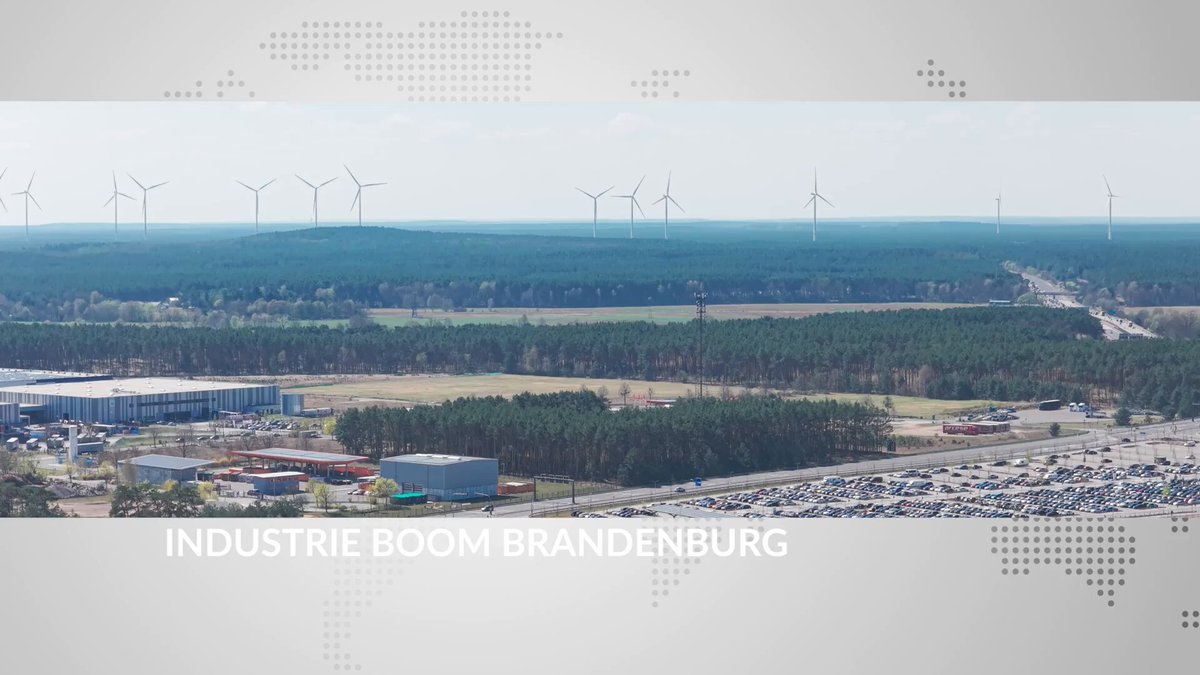
Tesla has set an ambitious new production target for its Gigafactory Berlin: 18 gigawatt-hours of annual 4680 battery cell output. That's more than double the 8 GWh goal announced just months ago in December 2025 — and the company is backing it with fresh capital and an open call to the startup world to help make it happen.

The Numbers Behind the Announcement
According to verified reporting, Tesla is investing an additional $250 million into Giga Berlin's cell manufacturing expansion, bringing total cumulative investment in the site's battery operations to approximately $1.45 billion. The 18 GWh capacity is estimated to be sufficient to power somewhere between 200,000 and 350,000 vehicles annually — a meaningful contribution to Tesla's European supply chain that reduces dependence on cells shipped from other facilities.
Battery cell production at the expanded Grünheide facility is projected to begin in the first half of 2027. That timeline also aligns with Tesla's broader vertical integration push: both cells and finished vehicles are planned to roll out of the same Berlin site starting that year. The ramp is expected to create more than 1,500 new jobs in the region.
For context, the 18 GWh target — while a dramatic step up from recent plans — still sits well below Elon Musk's original 2020 vision for the site, which called for up to 100 GWh of annual capacity with potential expansion to 250 GWh. Those plans were shelved in 2022. The current roadmap represents a more measured, capital-disciplined approach to scaling.
The Cell Giga Challenge: Tesla Opens the Door to Startups

On the same day the production target was publicized, André Thierig — head of Giga Berlin — launched the Cell Giga Challenge, an initiative inviting startups to pitch ideas that could accelerate the path to 18 GWh. The focus areas include materials science, production processes, equipment design, automation, and artificial intelligence.
This isn't a hackathon or a pitch competition with a trophy at the end. Selected startups will be offered paid pilot projects directly with Tesla's 4680 cell team — a rare opportunity to get inside one of the most closely guarded manufacturing operations in the EV industry. For early-stage companies working on battery technology, it's a credibility-defining contract.
The move signals that Tesla sees the 18 GWh goal as genuinely challenging — challenging enough that it's worth casting a wide net beyond its own internal R&D. Whether that reflects the technical difficulty of scaling 4680 production specifically, the compressed timeline, or simply a strategic openness to outside innovation isn't entirely clear. Probably all three.
What This Means for the Bigger Picture
Giga Berlin has had a complicated history. It opened in 2022 after regulatory delays, faced production disruptions, and has operated well below its theoretical ceiling. The renewed commitment — fresh investment, a doubled cell target, a public startup challenge — reads as a deliberate signal that Tesla is serious about making the German factory a genuine manufacturing hub rather than just an assembly point.
For Tesla owners in Europe, more locally produced cells eventually means a more resilient supply chain, potentially faster delivery timelines, and a stronger argument for the long-term viability of the brand's European operations. The 2027 production start date is the key milestone to watch.
Related Gear
Gear up your Tesla with tested, custom-fit BASENOR accessories — shop Tesla accessories →
Sources & reporting notes
The links below identify the material source records used for this report.
- @wholemars on X (2026-07-06T16:44:52.000Z) — Direct source
- @TeslaNewswire on X (2026-07-06T16:23:42.000Z) — Direct source
Source links are preserved as published or accessed. See our editorial standards and corrections policy.
The BASENOR Editorial Desk covers Tesla, SpaceX, and related technology, curating reporting from primary sources — official accounts, regulatory filings, and software release data. Every article passes source-record and fact-checking review before publication. About the newsroom.
This report was curated by the BASENOR Editorial Desk from the sources listed above. Read our editorial standards or email editorial@basenor.com to report an error.