📌 UPDATE — May 15, 2026
Tesla has retroactively unredacted crash context for all 17 "Robotaxi" incidents recorded in Austin, providing a clearer picture of fault distribution across the fleet's early operations. The newly revealed data confirms that the autonomous system was not at fault in the majority of these collisions — a pattern consistent with what other AV companies have reported, where their vehicles are frequently rear-ended or struck by other drivers. The disclosure came as a surprise to industry observers, as Tesla had previously kept this contextual crash data redacted. The move adds meaningful transparency to the ongoing public conversation around autonomous vehicle safety records.

📣 @FredLambert via X — May 15, 2026
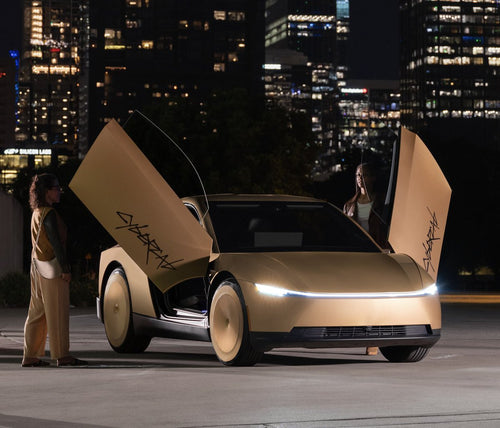
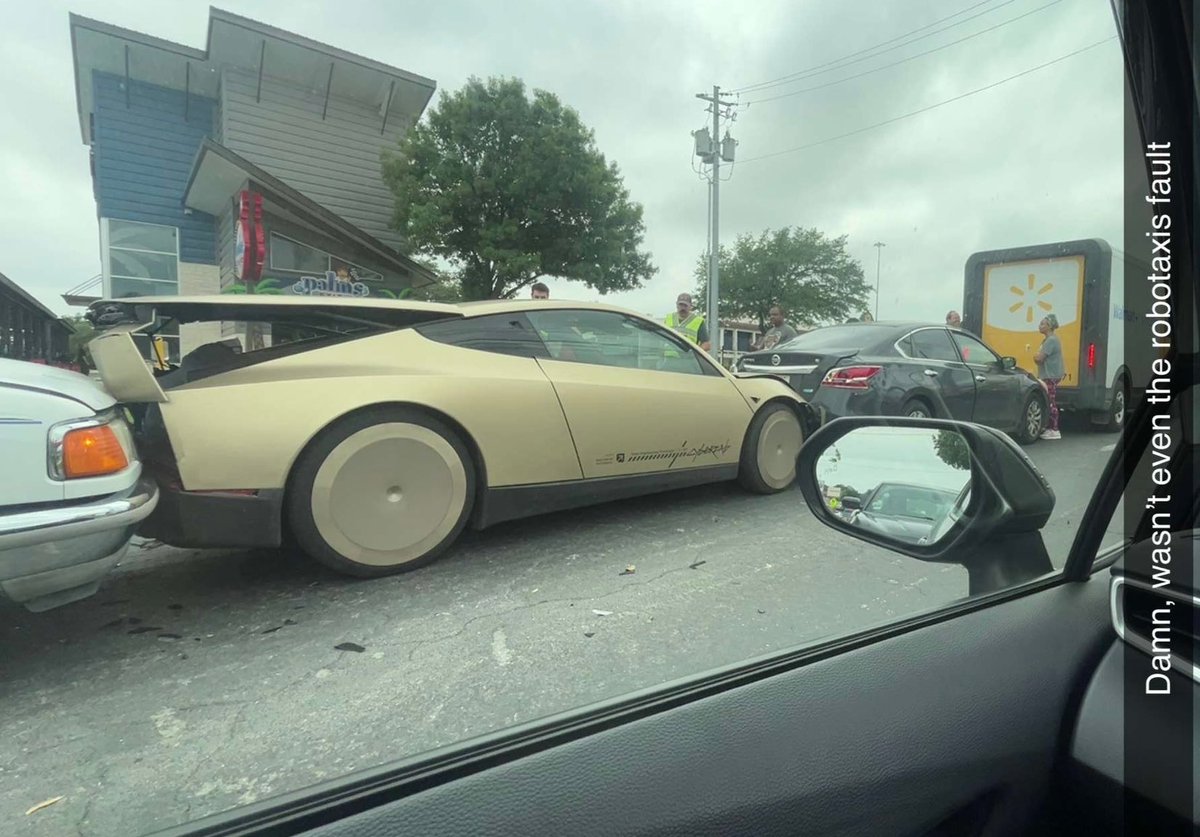
The Tesla Cybercab has been involved in its first reported accident, marking an early milestone — and an early test — for Tesla's autonomous robotaxi program. According to initial reports, the vehicle was not at fault in the incident.

Details remain limited at this stage. What's notable is that a not-at-fault determination, if confirmed, would follow a pattern seen with other autonomous vehicle programs — where the robotaxi is struck or cut off by a human driver rather than making an error of its own. That distinction matters enormously for regulators, insurers, and the broader public narrative around self-driving safety.
For Tesla, the Cybercab is the centerpiece of its robotaxi ambitions. Any accident involving the vehicle — regardless of fault — will draw scrutiny, and how Tesla responds with data transparency will likely shape early public and regulatory trust in the program. The company's ability to produce detailed telemetry logs from the incident could actually work in its favor, demonstrating the kind of accountability that critics of autonomous vehicles have long demanded.
This is a developing story. As more details emerge about the circumstances of the incident, BASENOR will update coverage accordingly.
🚕 Following the Robotaxi rollout? See every operating city, launch date and announced market in our Tesla Robotaxi Tracker.
Related Gear
Gear up your Tesla with tested, custom-fit BASENOR accessories — shop Tesla accessories →
Sources & reporting notes
The links below identify the material source records used for this report.
- @TeslaNewswire on X (2026-05-08T06:03:19.000Z) — Direct source
- @FredLambert on X (2026-05-15T15:21:46.000Z) — Direct source
Source links are preserved as published or accessed. See our editorial standards and corrections policy.
The BASENOR Editorial Desk covers Tesla, SpaceX, and related technology, curating reporting from primary sources — official accounts, regulatory filings, and software release data. Every article passes source-record and fact-checking review before publication. About the newsroom.
This report was curated by the BASENOR Editorial Desk from the sources listed above. Read our editorial standards or email editorial@basenor.com to report an error.