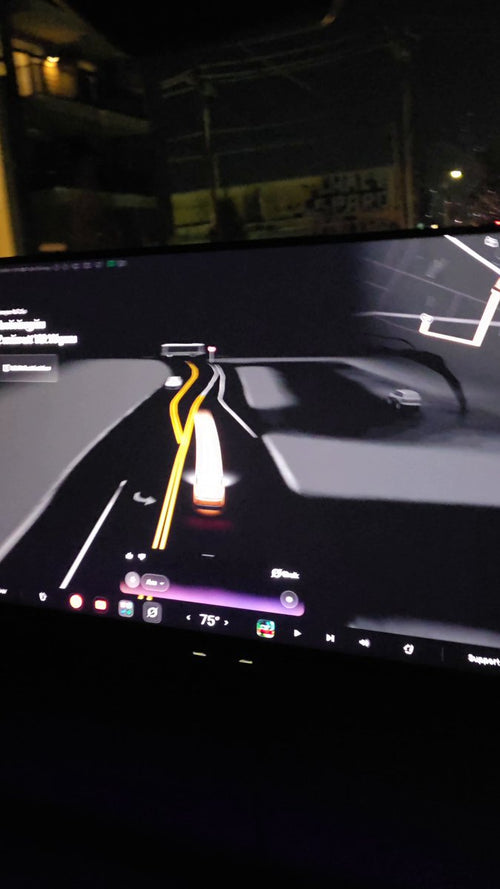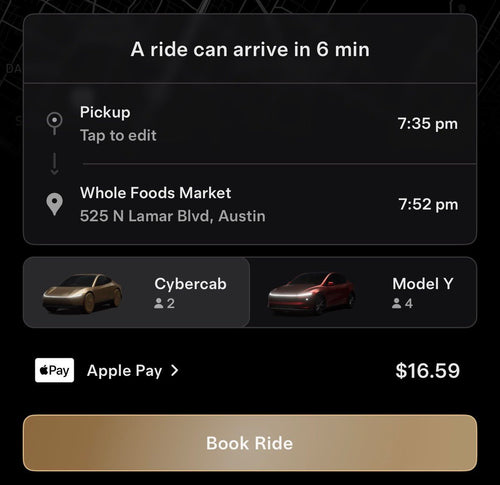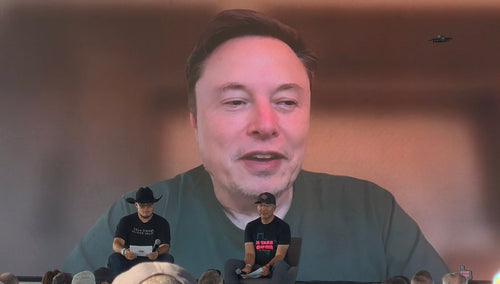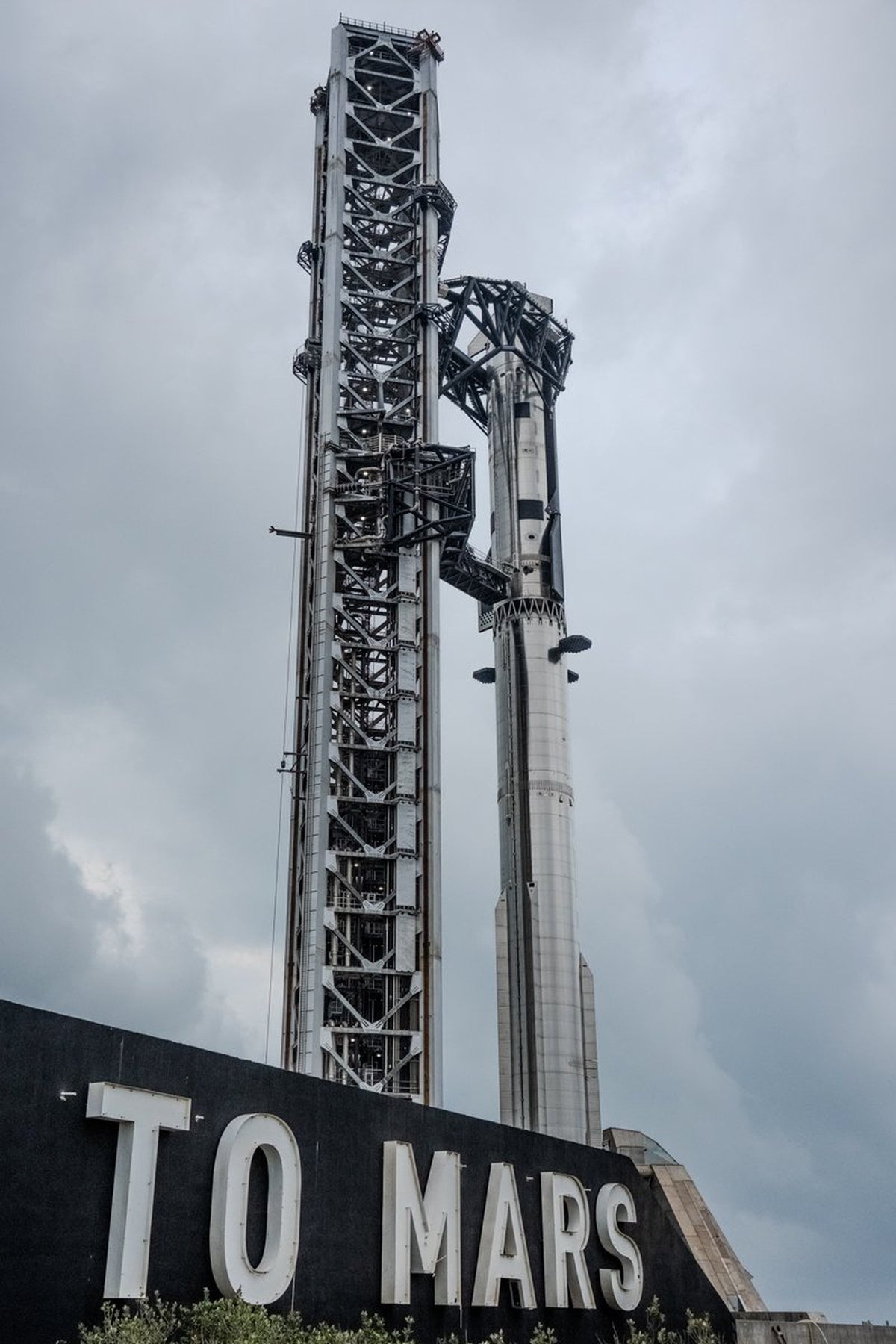
Two words. That's all Elon Musk posted Friday evening — 'Full stack engineering' — alongside a set of images that, combined with a follow-up video post, made the rounds across nearly 300,000 views within hours. Brief as it was, the phrase captures something fundamental about how Musk builds companies, and it's worth unpacking what it actually means for Tesla owners and the broader ecosystem.

What Full Stack Engineering Actually Means Here
In software, 'full stack' means owning both the front end a user touches and the back-end infrastructure that powers it. Musk applies the same logic at a company level: own the chip, the firmware, the vehicle platform, the manufacturing line, and the software that ties it all together. No dependency on a supplier who can slow you down, no black box you can't debug.
At Tesla, that translates to custom silicon (the FSD computer and Dojo training cluster), in-house neural net development, proprietary manufacturing processes, and over-the-air software delivery — all under one roof. At SpaceX, it means designing rocket engines, airframes, avionics, and mission software internally. The philosophy is the same whether the product launches from a pad in Texas or a driveway in Ohio.

The Organizational Move That Backs It Up
The timing of Musk's post is notable. According to reports from earlier this week, xAI is being fully integrated into SpaceX and rebranded as SpaceXAI — completing a consolidation that began with a February 2026 merger that reportedly valued the combined entity at roughly $1.25 trillion, a figure that has since climbed toward $1.75 trillion following a confidential IPO filing. SpaceX has already filed trademarks covering 'satellite-based data center services and orbital computing infrastructure' and 'software as a service featuring artificial intelligence for data processing' under the SpaceXAI name.
Grok, xAI's AI assistant, is expected to operate directly under the SpaceX brand going forward. A partnership with Anthropic, announced around the same time, grants that AI operation access to over 300 megawatts of computing power from the Colossus 1 supercomputer, with both companies targeting 'several gigawatts of orbital AI computing power' as a longer-term goal.
In other words, 'full stack engineering' isn't just a tweet — it's the operating thesis behind a structural reorganization happening right now.
What This Philosophy Delivers for Tesla Owners
The practical upside of full-stack ownership shows up in your car. When Tesla controls the entire development chain, it can push a meaningful software update to millions of vehicles overnight without waiting on a third-party supplier to validate a firmware patch. It can iterate on FSD behavior week over week because the team writing the neural net and the team designing the inference chip sit in the same building.
The same logic applies to Musk's insistence — formalized at xAI in mid-2025 — that all technical staff carry the title 'engineer' rather than 'researcher.' The message: build things that ship, not papers that get cited. That cultural mandate is increasingly visible in Tesla's own hiring, where the company is actively recruiting full-stack engineers across firmware tooling, web infrastructure, and vehicle software for 2026 internship and full-time roles.
For owners, the compounding benefit is speed. A company that owns its stack can respond to a discovered bug, a regulatory change, or a competitive feature gap faster than one waiting on a supplier's release cycle. That's the real promise behind two words posted on a Friday night.
Related Gear
Gear up your Tesla with tested, custom-fit BASENOR accessories — shop Tesla accessories →
Sources & reporting notes
The links below identify the material source records used for this report.
- @elonmusk on X (2026-05-09T21:47:37.000Z) — Direct source
- @elonmusk on X (2026-05-09T21:45:44.000Z) — Direct source
Source links are preserved as published or accessed. See our editorial standards and corrections policy.
The BASENOR Editorial Desk covers Tesla, SpaceX, and related technology, curating reporting from primary sources — official accounts, regulatory filings, and software release data. Every article passes source-record and fact-checking review before publication. About the newsroom.
This report was curated by the BASENOR Editorial Desk from the sources listed above. Read our editorial standards or email editorial@basenor.com to report an error.