📌 UPDATE — May 25, 2026
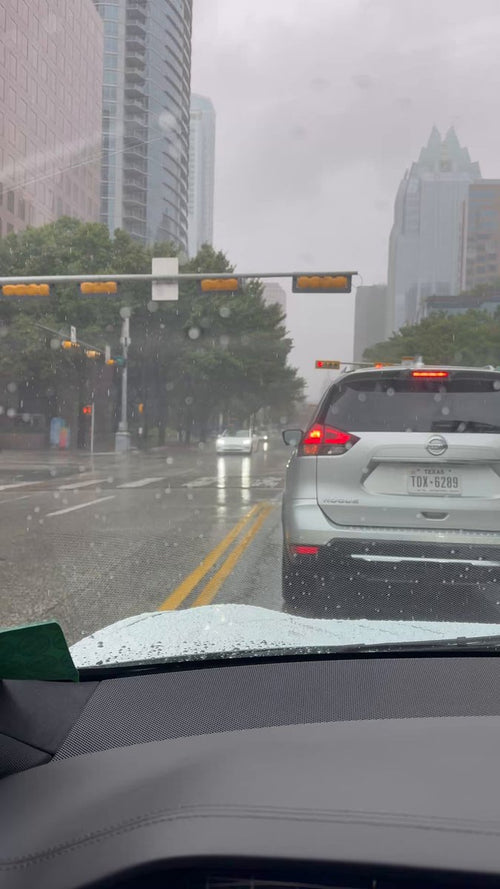
Tesla's Cybercab testing has expanded well beyond San Francisco, with new sightings confirmed in downtown Austin, TX and reports of trials now underway in Arizona — marking a significant geographic expansion of real-world robotaxi trials. Prominent Tesla tracker Sawyer Merritt confirmed the Arizona testing, while separate footage captured Cybercabs rolling through Austin streets. The multi-city push suggests Tesla is accelerating its validation efforts ahead of a broader commercial robotaxi launch.

@TeslaNewswire — Cybercabs spotted in downtown Austin (May 25, 2026)

@SawyerMerritt — Tesla begins Cybercab testing in Arizona (May 25, 2026)
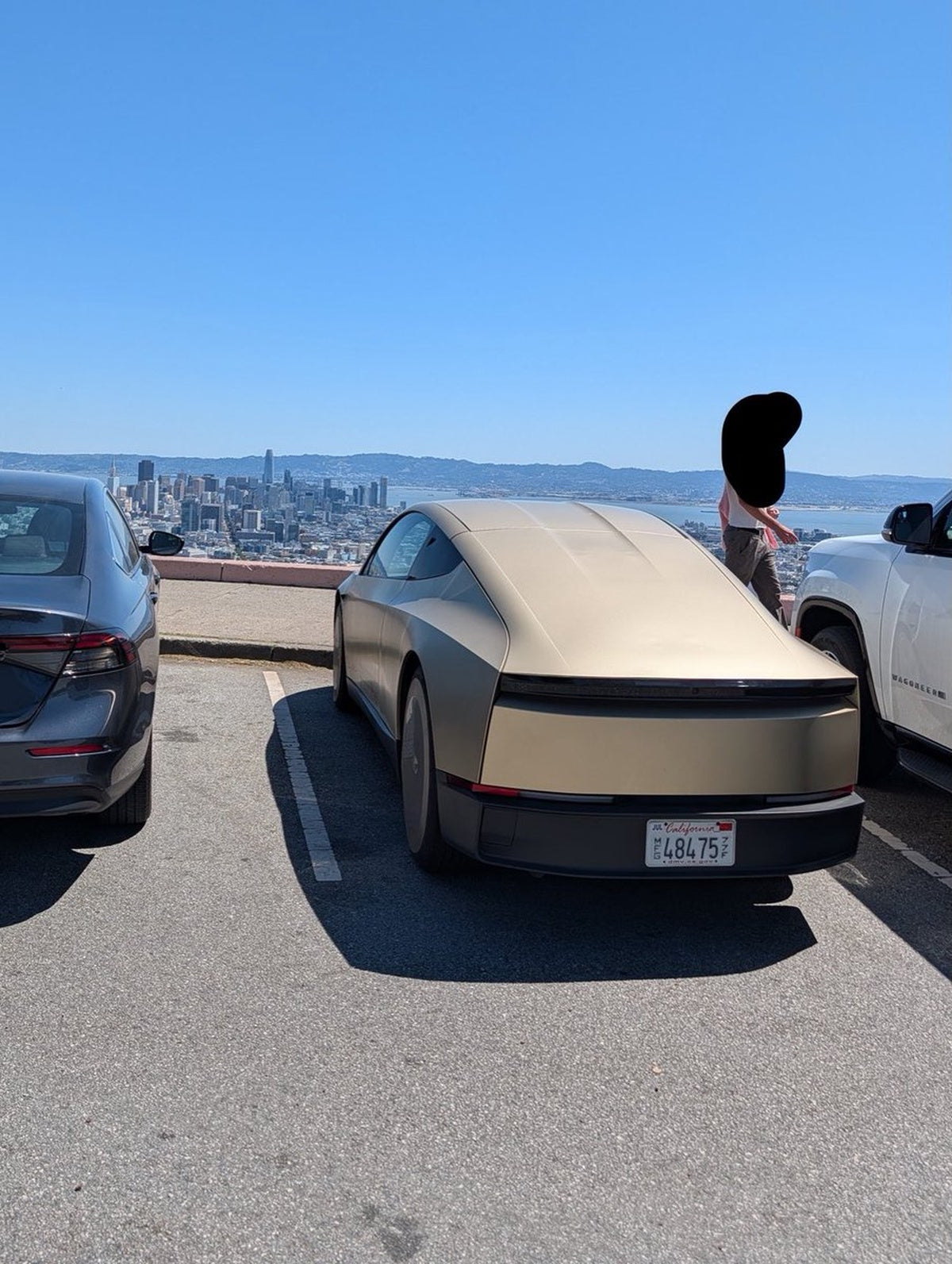
A Tesla Cybercab prototype has been spotted at Twin Peaks in San Francisco, actively testing pickup and drop-off operations at one of the city's most-visited tourist destinations. The sighting suggests Tesla is moving beyond basic road testing and into the operational logistics of running a real robotaxi service — a meaningful step forward.

More Than a Drive-Around Test
There's a difference between a prototype circling city blocks to accumulate miles and one that's practicing the actual passenger experience — pulling up to a curb, holding position, and completing a simulated handoff. The Twin Peaks sighting points to the latter. Tourist locations like Twin Peaks present a specific operational challenge: high foot traffic, irregular stopping zones, and vehicles approaching from multiple directions. Testing here implies Tesla is stress-testing the Cybercab's ability to navigate real-world service scenarios, not just open roads.
According to background research, Tesla currently has five Cybercab test vehicles operating in the San Francisco Bay Area, alongside a larger concentration of 34 in Austin, Texas. Single units have also been confirmed in Chicago, Washington, Boston, Buffalo, Alaska, and Wichita, Kansas — a deliberately wide geographic spread designed to capture diverse driving conditions and edge cases before any commercial launch.
Where the Program Stands
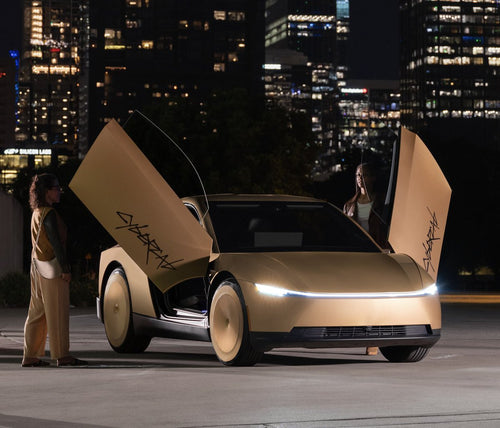
Tesla began Cybercab production at Gigafactory Texas in February 2026, with mass production targeted for April 2026. The vehicle itself is a two-passenger, fully autonomous design — no steering wheel, no pedals — priced under $30,000 according to Elon Musk's public statements. The long-term production ambition is 2 million units annually across multiple factories.
On the software side, FSD version 14.33 is in active deployment, and Musk has stated publicly that the 14.3 stack is sufficient for unsupervised operation. The Robotaxi app has also received a significant update (version 26.4.5) that introduced remote operator voice calls, proactive remote assistance, and a manual override function for fleet operators — all infrastructure pieces that need to be in place before passengers start booking rides.
The nearest confirmed commercial launch is Las Vegas, where a Cybercab maintenance facility has already been permitted. According to reports from mid-May, that launch is targeted within approximately 45 days. Musk has also indicated a goal of deploying in "a dozen or so states" by the end of 2026.
Why Tourist Locations Matter
Choosing Twin Peaks as a test site isn't random. High-profile, high-traffic locations are exactly where a robotaxi service needs to perform flawlessly — both technically and from a public perception standpoint. A Cybercab navigating a busy tourist overlook in San Francisco generates real-world data on pedestrian interaction, irregular stop requests, and the kind of chaotic urban geometry that structured test tracks can't replicate. It also puts the vehicle in front of thousands of potential future customers.
The operational testing phase is the bridge between "the hardware works" and "the service is ready." San Francisco's Twin Peaks sighting suggests that bridge is actively being built.
🚕 Following the Robotaxi rollout? See every operating city, launch date and announced market in our Tesla Robotaxi Tracker.
Related Gear
Gear up your Tesla with tested, custom-fit BASENOR accessories — shop Tesla accessories →
Sources & reporting notes
The links below identify the material source records used for this report.
- @TeslaNewswire on X (2026-05-19T06:06:50.000Z) — Direct source
- @SawyerMerritt on X (2026-05-25T17:46:35.000Z) — Direct source
- @TeslaNewswire on X (2026-05-25T17:13:06.000Z) — Direct source
Source links are preserved as published or accessed. See our editorial standards and corrections policy.
The BASENOR Editorial Desk covers Tesla, SpaceX, and related technology, curating reporting from primary sources — official accounts, regulatory filings, and software release data. Every article passes source-record and fact-checking review before publication. About the newsroom.
This report was curated by the BASENOR Editorial Desk from the sources listed above. Read our editorial standards or email editorial@basenor.com to report an error.