⚡ 30-Second Brief
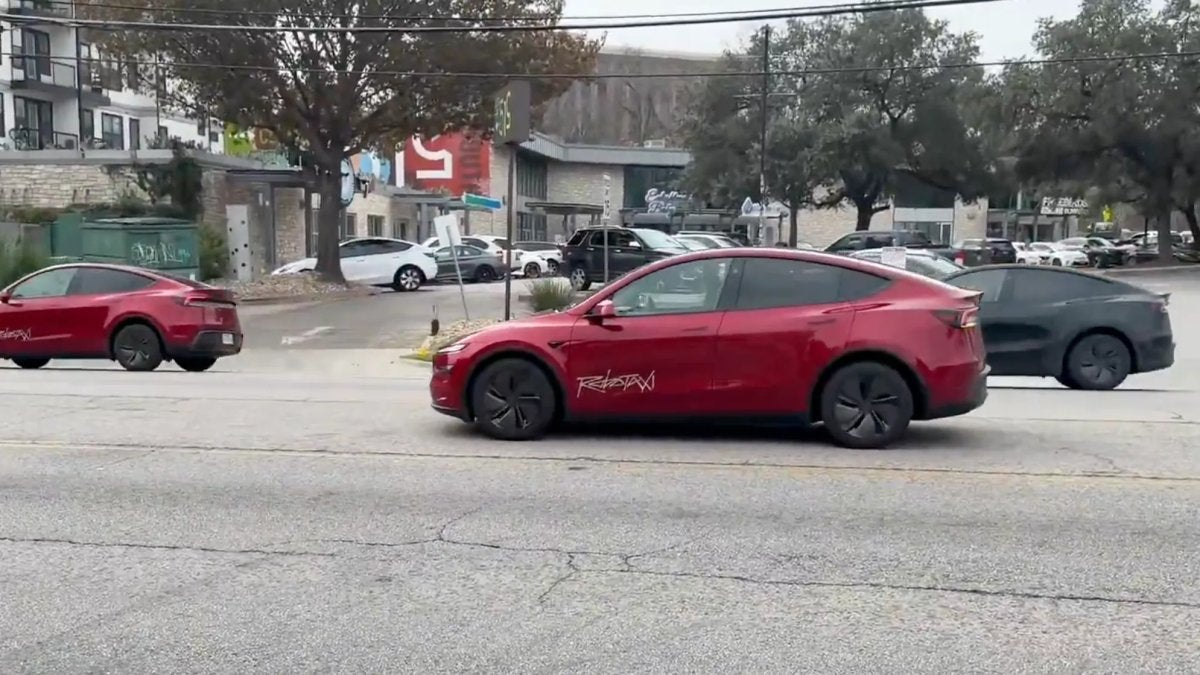
- The News: Tesla has officially launched unsupervised robotaxi rides in Austin, Texas, using a custom-built fleet.
- Why It Matters: This significant development pushes Tesla closer to its autonomous future, potentially impacting the value and utility of your current FSD-equipped vehicle.
📊 Key Figures
| Metric | Value | Context |
|---|---|---|
| Location | Austin, Texas | First public deployment of unsupervised robotaxis. |
| Supervision Level | Unsupervised | No human safety driver present in the vehicle. |
| Vehicle Type | Custom Robotaxi | Not standard consumer vehicles, but purpose-built. |
🔭 The Basenor Take
- Timeline: In Progress (Public testing now underway)
- Impact Level: 🔴 High
What This Means for You: While these initial robotaxis are custom-built and not your personal vehicle, their unsupervised operation in a major city is a monumental leap. This real-world validation of Tesla's FSD software directly contributes to the refinement and safety of the FSD package in your own car. The success of these robotaxis will accelerate the development of features and reliability that will eventually trickle down, enhancing the value and capability of your Tesla. It also signals a future where your FSD-equipped vehicle could potentially join a robotaxi network, offering a new revenue stream, though regulatory and technical hurdles remain.
🗣️ Community Pulse
Community discussions are still developing around this news, but recent conversations highlight the ongoing debate around FSD subscriptions versus one-time purchases, the desire for FSD to transfer with owners, and the long-term vision of truly self-driving vehicles. Many owners are keen to see how these advancements will impact their personal vehicles and the potential for a future where their car can earn money autonomously.
📰 Deep Dive
Tesla has officially initiated unsupervised robotaxi services in Austin, Texas, marking a significant milestone in the company's ambitious autonomous driving program. Unlike previous FSD beta tests which required a human safety driver, these purpose-built vehicles operate entirely without human intervention, navigating public roads autonomously. This deployment is a critical step in proving the robustness and safety of Tesla's Full Self-Driving software in real-world urban environments.
This move underscores Tesla's commitment to its vision of a fully autonomous future, where a fleet of self-driving vehicles can provide on-demand transportation. The data gathered from these unsupervised operations will be invaluable for further refining the FSD software, addressing edge cases, and enhancing the overall reliability of the system. This continuous improvement cycle directly benefits all Tesla owners with FSD capabilities, as software updates from the robotaxi fleet will eventually propagate to consumer vehicles.
While the initial robotaxi fleet consists of custom-designed vehicles, the underlying FSD technology is fundamentally the same as what powers consumer Teslas. The success of this Austin deployment could pave the way for broader regulatory acceptance and accelerate the timeline for a future where your personal Tesla could potentially operate as a robotaxi, generating income when not in use. This development reaffirms Tesla's unique position in the automotive industry, pushing the boundaries of what's possible with AI and electric vehicle technology.
The implications of this launch extend beyond just the technical aspects. It brings Tesla closer to realizing Elon Musk's long-stated goal of a vast, profit-generating robotaxi network, which could fundamentally change urban mobility and the economics of car ownership.
🚕 Following the Robotaxi rollout? See every operating city, launch date and announced market in our Tesla Robotaxi Tracker.
Related Gear
Gear up your Tesla with tested, custom-fit BASENOR accessories — shop Tesla accessories →
Sources & reporting notes
This article does not include retained source links. Our editorial standards and corrections policy, linked below, explain how BASENOR sources its reporting and how to request a correction.
Source links are preserved as published or accessed. See our editorial standards and corrections policy.
The BASENOR Editorial Desk covers Tesla, SpaceX, and related technology, curating reporting from primary sources — official accounts, regulatory filings, and software release data. Every article passes source-record and fact-checking review before publication. About the newsroom.
This report was curated by the BASENOR Editorial Desk from the sources listed above. Read our editorial standards or email editorial@basenor.com to report an error.