BASENOR Product Testing Lab
Tesla Winter Prep Checklist — 15 Things to Do Before the First Freeze
Cold weather changes how a Tesla uses energy, clears glass, holds tire pressure, and handles salted roads. We prep our test cars before the first freeze, not after the first warning light.
Bottom Line Up Front
Best first move: check cold tire pressure and washer fluid before the first 35°F morning; those are the two winter issues owners notice fastest.
Best protection move: install generation-correct mud flaps before salted roads start, then rinse rocker panels and lower-body splash zones weekly.
Skip for now: replacing cabin filters on a brand-new Tesla. New vehicles already have fresh filters; revisit after 6–12 months unless odor appears.
The 15-Point Tesla Winter Prep Checklist
We treat winter prep as a sequence: visibility first, traction second, battery efficiency third, then salt and storage protection. That order matters because the most common cold-weather problems are not dramatic failures; they are small misses that stack up on the first icy week. A Tesla can warm itself, route to chargers, and manage the battery pack, but it still depends on tires, washer fluid, wiper rubber, clean cameras, and owner planning.
| Check | When | What to do | What it prevents | Evidence |
|---|---|---|---|---|
| Tire pressure | First 35°F / 2°C morning | Check cold PSI on the driver-door placard, then adjust before driving. | Low-pressure warnings and uneven wear. | Tesla DIY docs |
| Washer fluid | Before freezing rain | Switch to winter-rated fluid; do not dilute it with water. | Frozen washer lines and streaked glass. | Tesla DIY docs |
| Battery preconditioning | Every cold departure | Schedule departure while plugged in when possible. | Range drop and slower charging. | FuelEconomy.gov |
| Splash protection | Before salted roads | Install generation-correct mud flaps; rinse rocker panels weekly. | Paint chips and salt buildup behind wheels. | BASENOR lab fitment |
| Emergency kit | Before storm watch | Keep gloves, scraper, blanket, charging plan, tire inflator, and phone power bank in the car. | Being parked away from home during an outage. | Ready.gov / NWS |
- Set tire pressure cold. Tire pressure drops as temperature falls. Use the placard value on the driver door, check before driving, and do not chase the hot reading after a highway trip.
- Inspect tread depth and winter tire plan. All-season tires can be acceptable in mild winter, but regular snow, ice, or mountain roads deserve dedicated winter tires. The accessory checklist cannot compensate for poor traction.
- Switch to winter washer fluid. Tesla public DIY guidance covers washer fluid top-off; for winter, the key is using fluid rated below your local low temperature.
- Replace weak wiper blades before streaking starts. If the blade chatters in October rain, it will be worse against road salt film in January.
- Clean cameras and sensors weekly. Salt mist can blur side repeaters, rear camera, and parking cameras. Autopilot features depend on clean camera views.
- Schedule departure while plugged in. Cold weather can reduce efficiency because the battery and cabin need heat. Preconditioning from wall power keeps more energy available for driving.
- Confirm home charging cable routing. Do not leave the mobile connector where snow melt refreezes around it. Keep the cable path visible and above standing water.
- Check charge-port behavior before storms. Open, close, and wipe the charge port before freezing rain. If the car sleeps outside, clear moisture before the temperature drops.
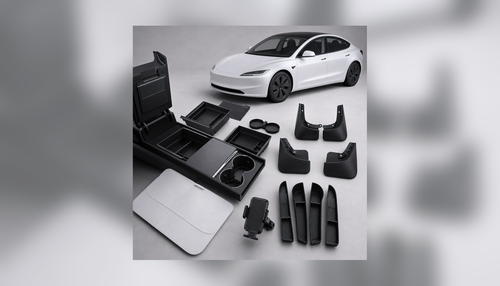
- Install mud flaps before salt trucks arrive. We prioritize front splash control because winter grit hits rocker panels and lower doors at speed.
- Add all-weather floor protection. Snow carried in on shoes melts into salty water. Raised lips matter more than cosmetic texture.
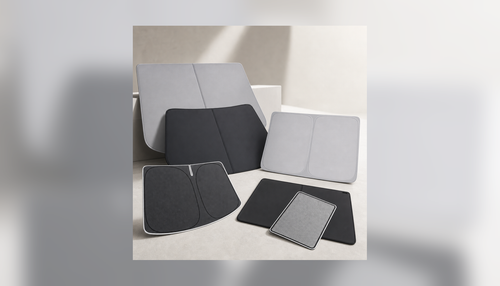
- Protect parked cars with a fitted cover when exposure is long. A cover is useful for outdoor airport parking or multi-day storms, but it must be clean underneath to avoid dragging grit across paint.
- Carry a scraper, gloves, microfiber towel, tire inflator, blanket, and phone power bank. Ready.gov and the National Weather Service both stress preparing before severe winter weather arrives.
- Set a charging buffer for cold trips. We add margin when overnight temperatures are below freezing, especially when parking unplugged at the destination.
- Turn on mirror fold and door/handle habits appropriate to your model. Do not force frozen handles; warm the cabin first and clear ice gently.
- Do not replace new filters just because winter started. A brand-new Tesla has a new cabin filter. Replace after use, odor, heavy pollen, or the normal service interval.
Vehicle Differences That Matter in Winter
Fitment is where winter prep gets expensive. Model 3 Highland, Legacy Model 3, Model Y Juniper, standard Model Y, Model S, Model X, and Cybertruck use different body panels, interior dimensions, and accessory mounting points. We keep those generations separated because “close enough” winter accessories usually fail at the edge: mud flaps rubbing, mats curling, covers pulling tight around mirrors, or storage pieces blocking a latch.
Model Y Juniper
2025–2026 Juniper keeps the physical turn-signal stalk but uses touchscreen shifting. Exterior splash parts must match the refreshed bumper and diffuser.
Model 3 Highland
2024–2026 Highland removed stalks and changed the interior and front-end shape. Do not assume Legacy Model 3 cabin or exterior accessories fit.
Legacy / older owners
Standard Model Y and Legacy Model 3 still need winter prep, but use older-generation fitment. Keep these products secondary for 2026 new-buyer guides.
For Cybertruck, the stainless exterior changes the paint-chip conversation, but not the winter readiness basics: tire pressure, washer fluid, camera cleaning, cold charging margin, and emergency supplies still apply. For Model S and Model X, larger cabin volume and different mat layouts make all-weather floor coverage especially fitment-sensitive.
Paint, Cabin, Glass, and Storage Protection
Our winter protection rule is simple: prevent trapped salty water. A product that looks tidy but traps slush against carpet, paint, or trim is worse than no product. Raised edges, correct mounting points, drain-friendly cleaning, and a fit that does not rub paint are the details we look for during test fitting.
Mud flaps: install before the road turns white
Winter grit leaves the tire as a high-speed fan pattern. On Model Y and Model 3, the front tires throw debris into the lower door and rocker area. A no-drilling mud flap is the practical first accessory because it blocks the spray without asking owners to modify the wheel liner. The tradeoff is cleaning: mud flaps collect packed slush behind them, so rinse the wheel wells instead of assuming installation is the final step.
Floor mats: raised lips beat soft carpet texture
Salt water moves. Flat liners let meltwater run under pedals or toward seat rails. We prefer 3D all-weather mats with a raised perimeter and model-specific retention points. The real con is weight and cleaning time: a multi-piece mat set is more annoying to remove than carpet mats, especially when the garage is cold.
Car covers: useful for long exposure, not daily wet paint
A fitted cover helps when a Tesla sits outside through snow, freezing rain, or airport parking. It is not a shortcut for dirty paint. If grit is already on the surface, pulling a cover across it can mark clear coat. Use covers when the car is clean, the fit is correct, and the charge-port access works for your model.
Sunshade in winter: not just summer heat
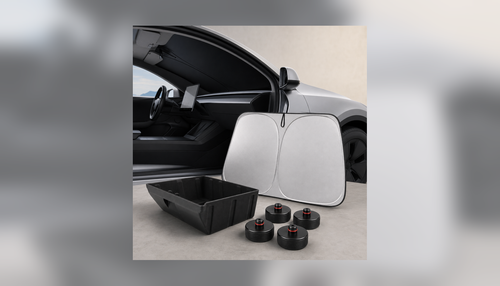
Winter sun can still create glare on low-angle commutes, and glass protection keeps the cabin more predictable when parked. Our lab uses a consistent 99.2% UV block figure for BASENOR sunshade testing. The practical tradeoff is storage: a removable shade must have a place to live when the windshield needs full defrost airflow.
Our First-Freeze Routine: The Order We Actually Use
We start outside the car because winter problems are easiest to see before the cabin is warm. First, we walk around the tires and lower body panels, looking for underinflation, embedded gravel, loose flap clips, and packed leaves near the cowl. Then we open each door slowly and check the seals. A clean, dry seal is less likely to stick after freezing rain, while a dirty seal can trap moisture exactly where owners pull hardest in the morning.
Next, we move to visibility. We clean the windshield, side glass, mirrors, camera lenses, and the rear camera before adding washer fluid. That order prevents dirty fluid caps, grit on towels, and missed smears that only appear under low winter sun. If wipers leave a gray film after two passes, we replace them before snow season rather than waiting for a storm to prove the point.
Only after the basic mechanical checks do we review software settings and charging habits. Scheduled departure helps most when the car is plugged in, but it is still worth using for comfort and defrost planning. For owners who park outside, we also set a practical state-of-charge floor for the week. A small buffer reduces stress when an unexpected detour, cold-soaked battery, or charger queue turns a normal commute into a longer day.
The final step is cleaning logistics. We keep a dedicated winter towel in the trunk because camera cleaning with a glove usually scratches dirt across the lens instead of removing it. We also keep a small trash bag for wet scraper residue and salty towels. These details sound minor, but they are what make the checklist repeatable after the first week of winter enthusiasm fades. We also photograph tire pressure and product fitment notes once at the start of the season, because that gives us a baseline when a customer asks whether a clip moved, a mat edge curled, or a cover strap loosened after repeated freeze-thaw cycles. That record also keeps recommendations honest: if a product needs extra rinsing, takes longer to remove with gloves on, or works only for one generation, we want that tradeoff visible before an owner buys it for a cold driveway install.
5 Winter Product Anchors Verified Active and In Stock
These are not generic recommendations. We selected winter-relevant BASENOR product anchors from the current active catalog and kept fitment in the product title visible so owners do not cross-buy between Highland, Juniper, Legacy, Model S, or Model X.


What We Would Not Buy First
We would not start with cosmetic carbon-fiber-look trim, screen protectors, or storage bins if the car is about to face freezing rain. Those products can be useful later, but winter failures usually come from visibility, traction, salt, and charging friction. Spend the first winter budget on the checks that change daily usability.
We also would not buy a product that hides its generation fitment. If the listing does not clearly separate Highland from Legacy Model 3 or Juniper from standard Model Y, skip it until fitment is confirmed.
FAQ
How much range does a Tesla lose in winter?
There is no single number because speed, cabin heat, battery temperature, tires, wind, and trip length all matter. FuelEconomy.gov notes that cold weather reduces efficiency through cold air, lubricants, heater demand, and battery effects. Our planning rule is to add buffer before cold highway trips and precondition while plugged in.
Should I charge to 100% before a snowstorm?
Follow Tesla battery guidance for your vehicle and chemistry. For most daily use, we prefer a practical buffer rather than turning every cold night into a full charge. If a storm may cause an outage or you must travel early, charging higher the night before can be reasonable.
Do mud flaps reduce range?
Any exterior part can have a small aerodynamic cost, but winter mud flaps are a tradeoff we accept where salted roads and gravel are common. The benefit is lower-door and rocker-panel protection from high-speed slush and grit.
Are all-weather mats worth it if I already have carpet mats?
Yes if your shoes bring snow or road salt into the cabin. Carpet mats absorb meltwater; raised-edge all-weather mats hold it until you remove and rinse them. The con is that a full set is heavier and takes longer to clean.
Does Model Y Juniper use the same winter accessories as older Model Y?
Not always. Juniper keeps the turn-signal stalk, but it changed exterior and interior details. Mud flaps, mats, covers, and console pieces should be bought by exact generation, not just by the Model Y name.
What should stay in the car during winter?
At minimum: scraper, gloves, microfiber towel, blanket, tire inflator, portable phone power, and a charging backup plan. Ready.gov and the National Weather Service both recommend preparing before winter storms, not during them.
Verified Sources
- Fuel Economy in Cold Weather — Cold weather reduces vehicle efficiency due to cold air/lubricants, heater use, and battery temperature effects.
- Do It Yourself — Tesla public DIY docs include owner tasks such as checking/adjusting tire pressure and topping washer fluid.
- Prepare! Don't Let a Winter Storm Take You by Surprise — Winter storm preparation should happen before storms and account for outages/supplies.
- Winter Weather | Ready.gov — Winter storms can bring extreme cold, freezing rain, snow, ice, and high winds lasting hours to days.
Update Log
Updated for 2026 Tesla fitment separation, winter fluid checks, cold-weather energy planning, and active BASENOR winter product availability.
Ready to winter-proof the parts salt touches first?
Start with generation-correct splash protection, all-weather cabin coverage, and outdoor storage gear that matches your Tesla exactly.
Shop BASENOR Tesla Accessories