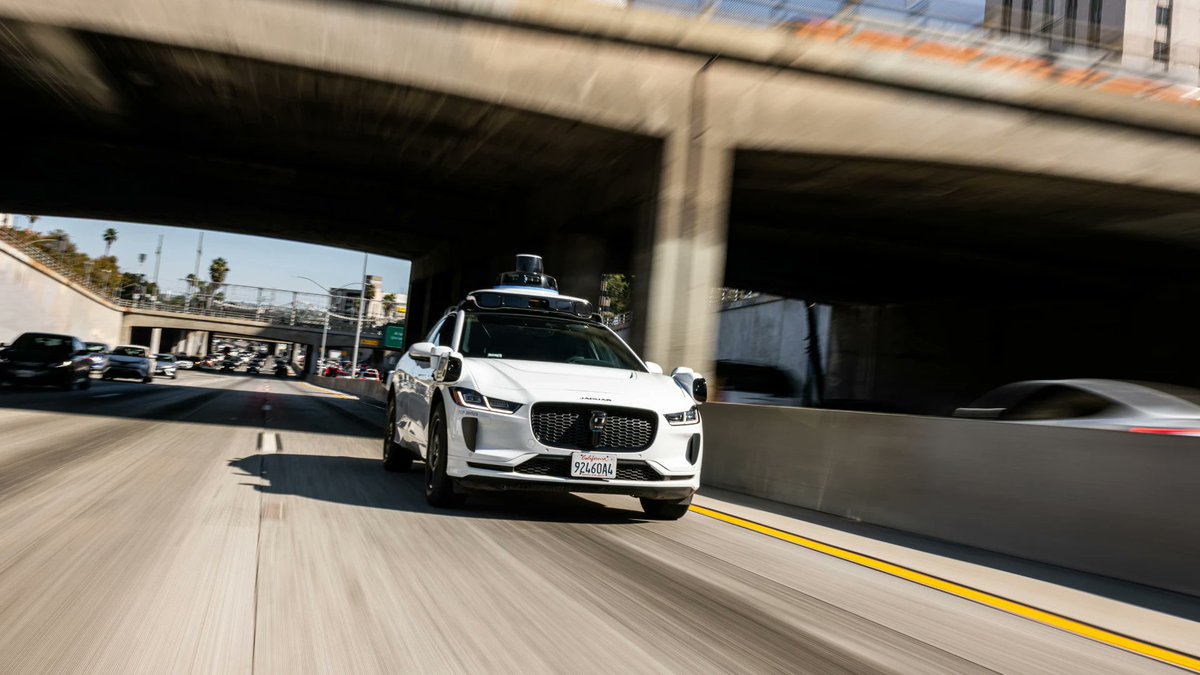
California is about to hold autonomous vehicles to the same legal standard as human drivers — and the clock is ticking. The state DMV officially adopted new regulations on April 28, 2026 that allow law enforcement to issue traffic violation notices directly to AV companies starting July 1, 2026. For Tesla, which is actively scaling its Robotaxi network, this is the regulatory environment it will be operating in.

Here are six things worth understanding about how this framework actually works.
1. Tickets Go to the Company, Not a Ghost Driver
The most consequential shift here is structural. When an autonomous vehicle runs a red light or fails to yield to a pedestrian, California law enforcement will issue a "notice of noncompliance" to the AV manufacturer or operator — not a human behind a wheel, because there isn't one. This closes a legal grey area that has existed since robotaxis began operating commercially in the state. Companies can no longer argue that no individual was responsible for a violation.
2. Repeat Violations Can Cost You Your Operating Permit
A single notice of noncompliance is a warning shot. Repeated or severe violations can trigger escalating enforcement actions, up to and including the restriction, suspension, or outright revocation of the company's California operating permit. That's an existential consequence for any AV business — California is the largest auto market in the U.S. and losing the right to operate there would be a significant commercial blow.
3. Emergency Responders Get Real-Time Override Authority
Two new requirements specifically address emergency scenarios that have caused friction between AV operators and first responders in the past. AV companies must respond to first responder calls within 30 seconds. More significantly, emergency officials can now issue electronic geofencing directives to clear autonomous vehicles from active emergency zones, and companies are required to comply within two minutes of notification. This directly addresses incidents where robotaxis have blocked emergency vehicle access.
4. Incident Reporting Windows Are Tight
When something goes wrong, companies won't have days to figure out their response. The regulations require detailed incident reports to be submitted to the DMV within 72 hours. For serious incidents flagged for "priority review," that window shrinks to 24 hours. This puts real operational pressure on AV companies to have rapid internal investigation and reporting pipelines in place before July 1.
5. Heavy-Duty AVs Are Now Legal in California
The regulations also lift a previous prohibition on autonomous heavy-duty vehicles — those with a Gross Vehicle Weight Rating of 10,001 pounds or more. This opens California's roads to autonomous freight operations for the first time, a significant expansion of the AV market beyond passenger robotaxis. Companies pursuing autonomous trucking will now need to clear 500,000 miles of testing at each phase, compared to 50,000 miles for light-duty vehicles.
6. Testing Milestones Are Now Codified
Earning and keeping an operating permit isn't just about avoiding violations. Manufacturers must hit specific testing milestones — 50,000 miles for light-duty vehicles and 500,000 miles for heavy-duty vehicles at each phase — and submit a comprehensive safety case report. This creates a structured pathway to commercial operation, but also a set of documented hurdles that regulators can point to if a company tries to scale faster than its safety data supports.
What This Means for Tesla Robotaxi
Tesla's Robotaxi ambitions are squarely in the crosshairs of this framework. Operating at scale in California means operating under a system where every traffic infraction is logged, attributed to the company, and potentially used as grounds for permit action. That's a meaningful accountability layer that didn't exist before. The 30-second emergency response requirement and two-minute geofencing compliance window also suggest California regulators have been paying close attention to the operational friction other AV operators have created for first responders — and they're not waiting for Tesla to make the same mistakes.
The regulations signal that California intends to remain the proving ground for autonomous vehicles in the U.S., but on terms the state controls. For Tesla and every other AV operator, July 1 is the date the grace period ends.

David covers the EV industry, regulatory developments, and accessory ecosystem. 15+ years writing about consumer tech. Based in London.
Sources verified at publish time. Spotted an inaccuracy? Email editorial@basenor.com.