30-Second Brief
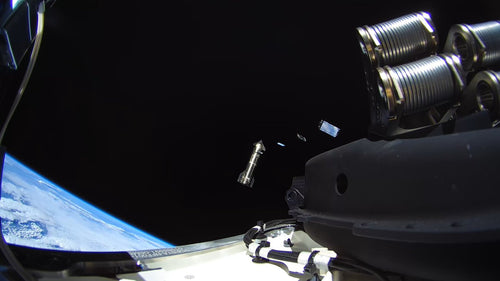
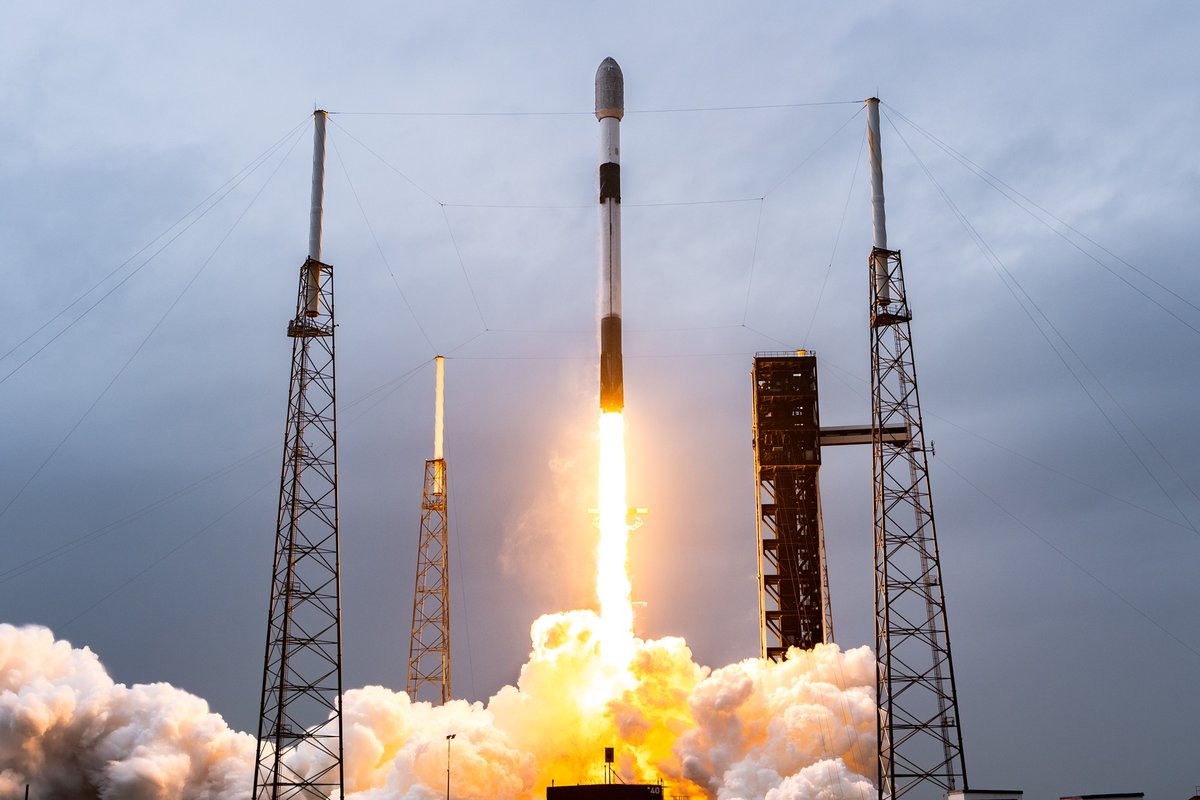
The News: SpaceX successfully launched and deployed 29 Starlink satellites from Florida aboard a Falcon 9 rocket on March 19, 2026.
Why It Matters: Each Starlink mission adds capacity and coverage to the global constellation — directly improving speeds and reliability for Starlink subscribers worldwide, including Tesla owners using Starlink connectivity.
Sources: @SpaceX on X
SpaceX Deploys 29 Starlink Satellites in Latest Falcon 9 Mission from Florida
SpaceX confirmed another successful Starlink deployment on March 19, 2026, with 29 satellites now in orbit following a Falcon 9 launch from Florida. The deployment confirmation came quickly after liftoff, continuing SpaceX's relentless cadence of constellation-building missions in early 2026.


🔭 The BASENOR Take
| Metric | Detail |
|---|---|
| Satellites Deployed | 29 |
| Launch Vehicle | Falcon 9 |
| Launch Site | Florida |
| Deployment Status | ✅ Confirmed |
| Impact Level | Incremental — constellation expansion |
| Confidence | ✅ Confirmed by SpaceX official account |
📰 Deep Dive
SpaceX's Starlink constellation has become one of the most rapidly expanding satellite internet networks in history, and missions like this one are the engine behind that growth. Each batch of satellites deployed adds both raw capacity — more bandwidth available per region — and redundancy, ensuring the network remains resilient as subscriber numbers climb globally.
For Starlink subscribers, the practical impact of any single 29-satellite launch is gradual rather than immediate. Newly deployed satellites must be raised to their operational altitude, undergo testing, and be integrated into the active constellation before they contribute meaningfully to service. That said, SpaceX's high launch cadence in early 2026 means the cumulative effect on network performance is real and ongoing.
The Falcon 9 continues to be the workhorse of this effort — a rocket that has proven its reliability across hundreds of missions. Launching from Florida gives SpaceX access to orbital inclinations that maximize coverage across densely populated mid-latitude regions, which is where the bulk of Starlink's commercial and residential customers are concentrated. For our SpaceX coverage, this mission fits a clear pattern: steady, methodical constellation-building that compounds over time into a genuinely global broadband network.
Sources & reporting notes
The links below identify the material source records used for this report.
- @SpaceX on X (2026-03-19T15:42:23.000Z) — Direct source
- @SpaceX on X (2026-03-19T15:22:55.000Z) — Direct source
Source links are preserved as published or accessed. See our editorial standards and corrections policy.
The BASENOR Editorial Desk covers Tesla, SpaceX, and related technology, curating reporting from primary sources — official accounts, regulatory filings, and software release data. Every article passes source-record and fact-checking review before publication. About the newsroom.
This report was curated by the BASENOR Editorial Desk from the sources listed above. Read our editorial standards or email editorial@basenor.com to report an error.