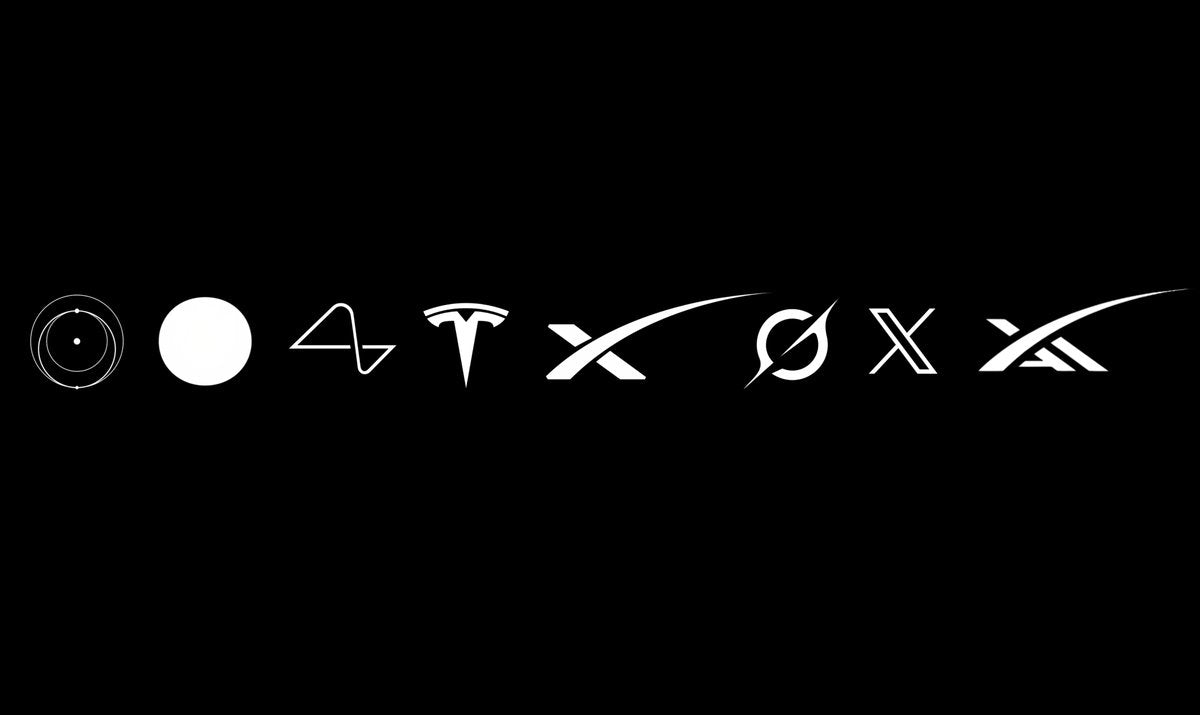
Elon Musk's AI ambitions just took a significant structural turn. xAI — the standalone artificial intelligence company Musk founded in 2023 — has been fully absorbed into SpaceX and rebranded as SpaceXAI. The @SpaceXAI handle went live on X on July 6, 2026, and an updated logo set now circulating online makes the consolidation official in visual terms. The combined valuation of Musk's companies is currently estimated at approximately $3.75 trillion.

From xAI to SpaceXAI: How We Got Here
The consolidation didn't happen overnight. SpaceX formally acquired xAI in an all-stock deal valued at $1.25 trillion, which closed on February 2, 2026. At the time, Musk framed the rationale around a specific technical vision: building orbital data centers. SpaceX has since filed with the FCC to launch up to one million satellites designed to function as AI compute nodes in low Earth orbit — a project that only makes sense if the AI infrastructure and the launch infrastructure share the same corporate roof.
The new SpaceXAI logo visually embeds the xAI lettering within the SpaceX identity, signaling that this isn't a loose partnership or a subsidiary arrangement — it's a full integration. SpaceX has also filed trademark applications for SpaceXAI covering "satellite-based data center services and orbital computing infrastructure" and "software as a service (SaaS) featuring artificial intelligence for data processing," among other categories. The rebranding appears to be recent enough that the new logo hasn't yet been reflected on the company's official website or in regulatory filings, suggesting the visual rollout is moving faster than the legal paperwork.
The Numbers Behind the Empire
The "Muksonomy" — an informal term used by some analysts and enthusiasts to describe the combined portfolio of Musk's companies — now spans Tesla, SpaceX (with SpaceXAI folded in), and X. The $3.75 trillion figure cited by Sawyer Merritt reflects the current aggregate. For context, SpaceX went public in June 2026 at a market capitalization of approximately $2 trillion, having raised $75 billion in an IPO that targeted a valuation of around $1.75–1.77 trillion before trading pushed it higher. Tesla's market cap sits at roughly $1.52 trillion as of mid-2026.
Musk himself briefly crossed the $1 trillion personal net worth threshold following the SpaceX IPO on June 12, 2026 — a historic first — before his net worth fluctuated back to the $1.01–1.1 trillion range by early July.
What This Means for Tesla Owners
The SpaceXAI merger is primarily a SpaceX and AI story, but Tesla owners have reason to pay attention. Tesla's own AI stack — Dojo, FSD, and Optimus — has historically operated separately from xAI's Grok infrastructure. With xAI now formally part of SpaceX rather than remaining an independent entity, the question of how (or whether) Tesla's AI development intersects with SpaceXAI's orbital compute ambitions becomes more pointed. Musk has consistently described his companies as an interconnected ecosystem rather than isolated businesses. Whether SpaceXAI's satellite-based compute eventually feeds into Tesla's autonomous driving pipeline is an open question — but it's no longer an implausible one.
For now, the practical impact on Tesla's software roadmap is unclear. What is clear is that the corporate architecture of Musk's empire is consolidating, and SpaceXAI's trademark filings suggest the orbital AI compute vision is moving from concept toward something with legal and commercial structure behind it. Follow our SpaceX coverage and FSD coverage as this story develops.
Related Gear
Gear up your Tesla with tested, custom-fit BASENOR accessories — shop Tesla accessories →
Sources & reporting notes
The links below identify the material source records used for this report.
- @SawyerMerritt on X (2026-07-06T22:06:38.000Z) — Direct source
Source links are preserved as published or accessed. See our editorial standards and corrections policy.
The BASENOR Editorial Desk covers Tesla, SpaceX, and related technology, curating reporting from primary sources — official accounts, regulatory filings, and software release data. Every article passes source-record and fact-checking review before publication. About the newsroom.
This report was curated by the BASENOR Editorial Desk from the sources listed above. Read our editorial standards or email editorial@basenor.com to report an error.