The News: Tesla's driverless robotaxi program is no longer a future promise — it's operating today, with unsupervised vehicles on Austin roads and seven new cities targeted for launch in the first half of 2026.
Why It Matters: For Tesla owners, this marks the moment autonomous ride-hailing shifts from skeptic punchline to commercial reality — and the pace of expansion suggests 2026 is the year it becomes unavoidable.
Source: @wholemars on X
The skeptics had a script. "There will never be a driverless Tesla robotaxi." Then the robotaxis launched. "Fine, but there will never be more than 10." Whole Mars Catalog — one of the most plugged-in Tesla observers on the internet — just called out that exact pattern in real time, and the implication is clear: the goalposts keep moving because Tesla keeps delivering.

Then came the follow-up — four words that land like a headline: "In the year 2026, manual driving is a choice."

📊 Key Figures: Where the Robotaxi Program Stands
| Metric | Value | Context |
|---|---|---|
| Paid Robotaxi Miles (Austin) | ~700,000 | Since June 2025 launch |
| Current Austin Fleet | ~89 Model Y | Mix of supervised + unsupervised |
| Unsupervised Units in Fleet | Limited | Integrated from January 2026 |
| Base Fare (Austin, as of Mar 7) | $3.25 + $1/mile | 5-mile trip = $8.25 |
| New Cities Targeted (H1 2026) | 7 | Phoenix, Miami, Las Vegas, Dallas, Houston, Orlando, Tampa |
| Cybercab Volume Production Start | April 2026 | Giga Texas; first unit off line Feb 2026 |
| Cybercab Target Price | Under $30,000 | 35 kWh battery, ~200-mile range |
🔭 The BASENOR Take
Timeline: Austin pilot launched June 2025 → Unsupervised units added January 2026 → 7-city expansion underway H1 2026 → Cybercab volume production April 2026
Impact Level: 🔴 High — This is a structural shift in how Tesla monetizes its fleet and software
Confidence: ⬛⬛⬛⬛⬜ — Expansion targets are aggressive; regulatory hurdles (especially California) remain real
What Whole Mars is documenting isn't just a product launch — it's a pattern. Every time Tesla's autonomous program hit a milestone that skeptics said was impossible, the skepticism didn't disappear; it just reset to the next threshold. First it was "they'll never launch." Now it's "fine, but it'll never scale." The 7-city expansion plan for H1 2026 is Tesla's direct answer to that argument.
The January 2026 introduction of genuinely unsupervised vehicles into the Austin fleet is the detail that matters most here. Nearly 700,000 paid miles have been logged since the June 2025 launch — a number that represents real commercial operation, not a demo. The base fare increase to $3.25 (up from the original $4.20 flat fee structure) also signals Tesla is actively tuning the economics of the service, not just running it as a PR exercise.
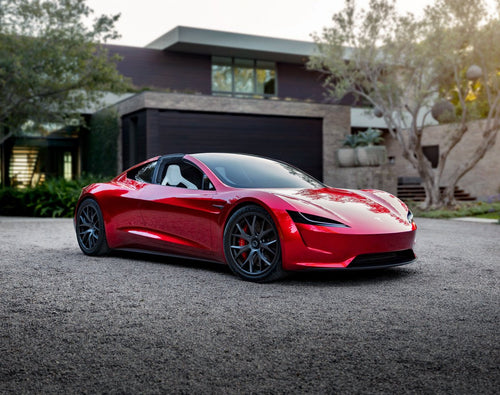
For current Tesla owners, the most immediate question is whether your vehicle could participate in the robotaxi network. Tesla has long discussed enabling owner vehicles to earn revenue while parked, though that feature remains on the roadmap. The current commercial fleet runs on company-owned Model Y units in Austin — but the Cybercab, with volume production targeted for April 2026 at Giga Texas, is the hardware designed from the ground up for this use case. No steering wheel, no pedals, dihedral doors, wireless charging, and a sub-$30,000 price target make it purpose-built for fleet economics.
The California situation is worth watching. Despite being Tesla's home state, the company logged zero autonomous test miles on California public roads in 2025 — a regulatory gap that stands in sharp contrast to the Texas progress. The 7-city H1 2026 expansion list is notably Sun Belt-heavy, suggesting Tesla is deliberately building scale in permissive regulatory environments before tackling harder markets. That's a pragmatic strategy, but it does mean the "manual driving is a choice" reality will arrive in different cities at very different times. For owners in Phoenix, Miami, or Dallas, that future is arriving this year. For owners in San Francisco, the timeline remains unclear.
The broader signal from today's posts: Tesla's robotaxi program has crossed the threshold from "announced" to "operating and expanding." The question is no longer whether it launches — it's how fast it scales. For our FSD coverage, this represents the commercial validation that the entire autonomous driving investment thesis has been building toward.

Marcus covers Tesla's software releases, FSD rollouts, and OTA changes. Background in automotive engineering. Based in Austin.
Sources verified at publish time. Spotted an inaccuracy? Email editorial@basenor.com.