Tesla Model 3 Wins Edmunds Top Rated Electric Car 2026: Why It Won Again
For the second consecutive year, the Tesla Model 3 has successfully defended its title as the Edmunds Top Rated Electric Car. Despite an influx of luxury competition from German automakers and internal rivalry from its sibling, the Model Y, the 2026 Model 3 remains the benchmark for the electric sedan market.
• The News: The Tesla Model 3 has been named Edmunds Top Rated Electric Car for 2026, marking a back-to-back victory following its 2025 win.
• Why It Matters: This win validates Tesla's strategy of continuous improvement, specifically the 2026 updates which addressed key criticism regarding physical controls.
• Source: @Tesla on X
This recognition comes at a critical time for Tesla. With legacy automakers aggressively pushing into the premium EV sedan space, the Model 3's ability to retain the crown highlights the enduring value of the 'Highland' refresh platform and recent 2026 model year refinements.

📊 Key Figures: The Winning Specs
According to the data released surrounding the award, the Model 3 didn't just win on sentiment; it won on the numbers. Edmunds highlighted specific metrics that allowed the 2026 Model 3 to edge out competitors like the Audi A6 Sportback E-tron and BMW i5.
| Metric | 2026 Model 3 Value | Context |
|---|---|---|
| Edmunds Score | 8.1 / 10 | Top of class |
| Starting MSRP | $38,380 | Significantly undercuts luxury rivals |
| Tested Range | 338 miles | Long Range AWD configuration |
Why the Model 3 Won (Again)
Winning an 'Editor's Choice' or 'Top Rated' award once is often about novelty. Winning it twice in a row, especially in the fast-moving EV sector, requires sustained excellence. Based on the background data and the award criteria, two main factors secured this victory.
1. The Return of the Stalk
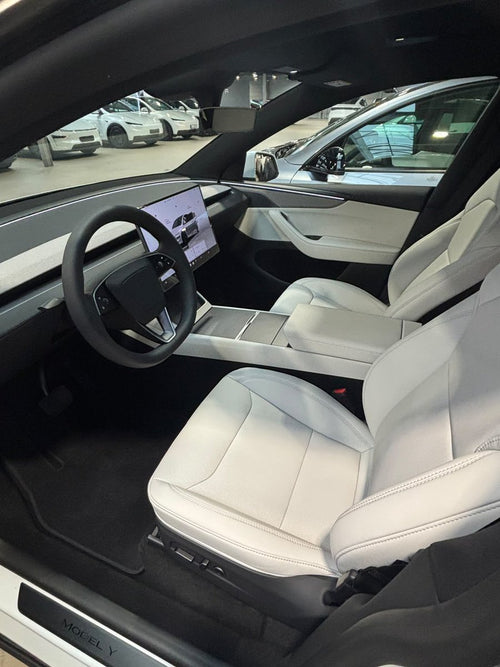
While the 2024 'Highland' refresh was praised for its quiet cabin and premium materials, the removal of physical stalks was a polarizing decision. The 2026 Model 3 addresses this head-on. By reintroducing the physical turn signal stalk, Tesla eliminated one of the few major complaints regarding the vehicle's usability. This pivot likely played a significant role in securing the high 8.1/10 score, as it balances Tesla's minimalist ethos with necessary driver ergonomics.
2. Unmatched Value Proposition
The pricing data tells the rest of the story. With a starting MSRP of roughly $38,380, the Model 3 offers performance and range metrics that competitors typically charge $10,000 to $20,000 more for. While the BMW i5 and Audi A6 e-tron are strong contenders, they compete in a price bracket that makes the Model 3 look like a bargain by comparison.
🔭 The BASENOR Take
Analysis
Timeline: This award covers the 2026 model year, cementing Tesla's dominance for another cycle.
Impact Level: High. Third-party validation helps combat 'EV fatigue' narratives.
Confidence: 100% (Official Award).
This win is significant because it proves that the Model 3 is not aging—it is maturing. Often, vehicles lose their luster 2-3 years after a major refresh. Tesla has avoided this by quietly updating the hardware that matters most to drivers.
The victory over the Model Y is also telling. While the Model Y sells in higher volumes, the Model 3 remains the driver's choice in the lineup, offering better handling and efficiency. For owners, this award confirms that the 2026 Model 3 is likely the 'peak' version of this platform: it has the Highland upgrades (quiet cabin, ambient light, rear screen) combined with the practicality of physical stalks.
📰 Deep Dive
The automotive press is notoriously critical of Tesla's unconventional design choices, which makes this repeat victory even more impressive. Edmunds' methodology combines track testing with real-world usage, meaning a car cannot win on specs alone—it has to be livable.
The fact that the Model 3 beat out the BMW i5 is particularly notable. BMW has been lauded for its return to form with its electric sedans, focusing on traditional luxury and driving dynamics. For the Model 3 to hold them off suggests that the gap in software integration, charging infrastructure, and efficiency is still too wide for legacy auto to close with driving dynamics alone.
Related Gear
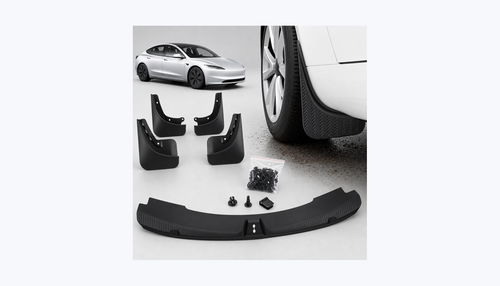
Gear up your Model 3 with tested, custom-fit BASENOR accessories — shop Model 3 accessories →
Sources & reporting notes
The links below identify the material source records used for this report.
- @Tesla on X (2026-02-18T15:28:28.000Z) — Direct source
Source links are preserved as published or accessed. See our editorial standards and corrections policy.
The BASENOR Editorial Desk covers Tesla, SpaceX, and related technology, curating reporting from primary sources — official accounts, regulatory filings, and software release data. Every article passes source-record and fact-checking review before publication. About the newsroom.
This report was curated by the BASENOR Editorial Desk from the sources listed above. Read our editorial standards or email editorial@basenor.com to report an error.