📌 UPDATE — June 16, 2026
The combined valuation of Elon Musk's two flagship companies, Tesla ($1.52T) and SpaceX ($2.83T), has now surpassed Apple's total market capitalization — a milestone described as "kind of insane" by prominent Tesla commentator Whole Mars Catalog. The new combined figure of $4.35 trillion for just those two companies alone eclipses Apple, currently the world's most valuable publicly traded company. Notably, SpaceX's staggering $2.83T market cap comes despite the company posting a $5 billion net loss on $19 billion in revenue, contrasting sharply with Tesla's $3.79 billion profit on $95 billion in revenue.


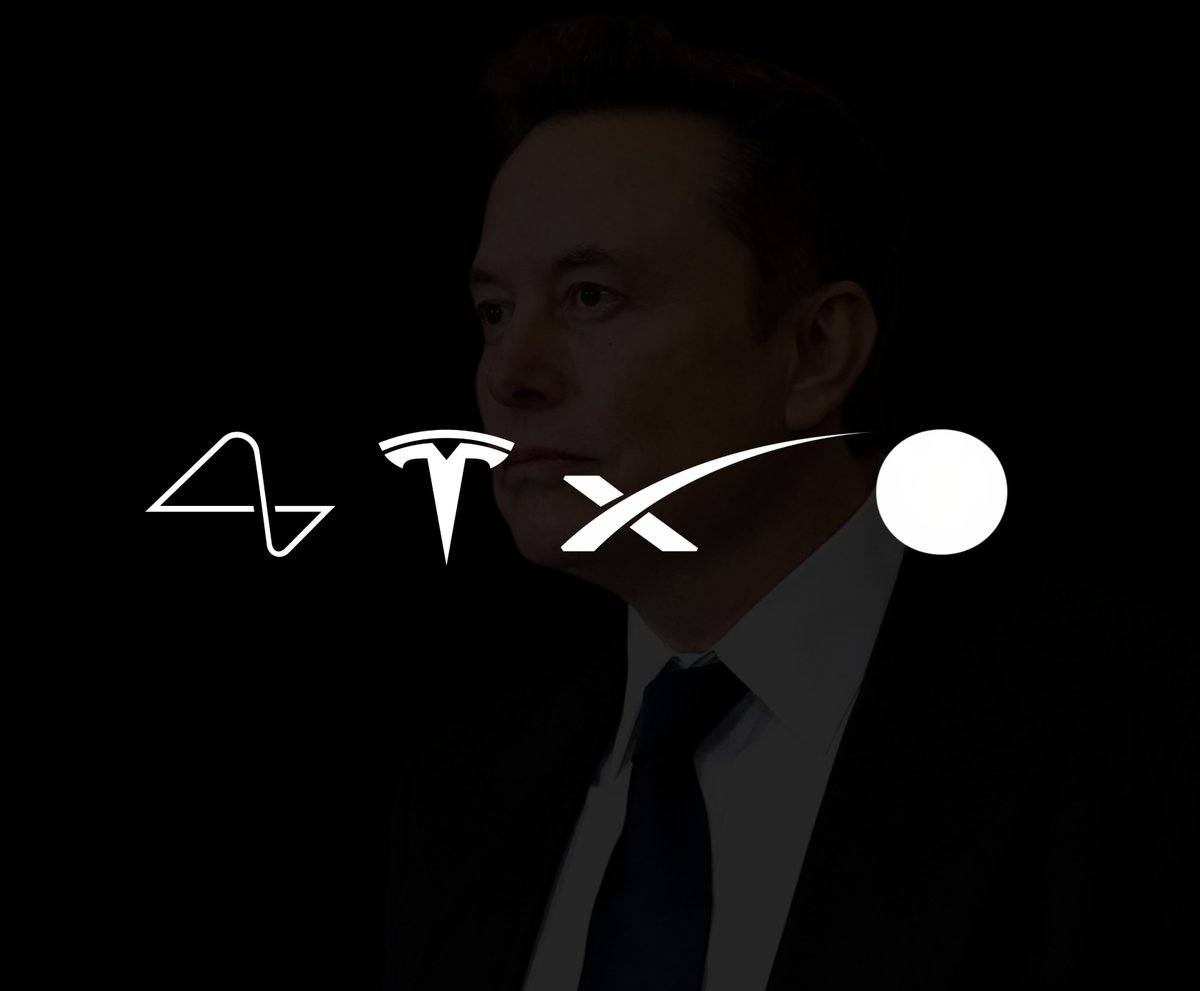
Elon Musk's portfolio of companies has crossed a new threshold. With SpaceX completing its Nasdaq debut on June 12, 2026, updated valuations now place the combined worth of his four major ventures at $3.62 trillion — a figure that puts the collective enterprise in territory few single nations' GDP can match.

The Numbers, Company by Company
| Company | Valuation | Basis |
|---|---|---|
| SpaceX | $2.1 trillion | Public market cap (post-IPO) |
| Tesla | $1.5 trillion | Public market cap |
| Neuralink | $9 billion | Series E funding round (2025) |
| The Boring Company | $7 billion | Secondary market tender offer |
SpaceX's IPO Changes the Equation
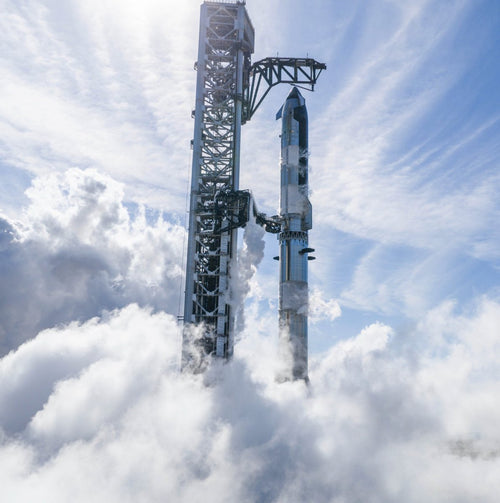
The biggest driver of this milestone is SpaceX's public debut. The company priced its IPO at a valuation of approximately $1.77 trillion, raising $75 billion in the process — one of the largest IPO raises in history. By the close of its first trading day on June 12, the market cap had surged past $2 trillion, settling at roughly $2.1 trillion according to KuCoin market data. That single-day appreciation added hundreds of billions to the combined figure overnight.
Not everyone is convinced the price is justified. Morningstar analysts have flagged the stock as significantly overvalued, estimating a fair value closer to $63 per share — implying a more conservative intrinsic value around $780 billion. That gap between market enthusiasm and fundamental analysis is worth watching as the stock finds its post-IPO footing.
Tesla Holds Its Ground
For Tesla owners and investors, the relevant data point is the $1.5 trillion market cap — broadly consistent with figures from Robinhood ($1.53T) and other trackers as of mid-June 2026. Tesla remains the second-largest company in Musk's portfolio by valuation, though the SpaceX IPO has now made it the smaller of the two public companies by a meaningful margin.
The contrast is notable context for Tesla shareholders: the company that once seemed like Musk's singular focus now sits behind a newly public SpaceX in terms of raw market capitalization. Whether that dynamic shifts attention — and capital — away from Tesla's own growth story is a question the market will be answering over the coming quarters.
The Smaller Bets
Neuralink's $9 billion valuation stems from its Series E funding round completed in mid-2025, with secondary market activity implying a slightly higher figure of around $9.7 billion. The brain-computer interface company has moved from research curiosity to clinical trials, but remains a fraction of the broader portfolio in dollar terms.
The Boring Company's $7 billion figure comes from a 2023 tender offer — the most recent publicly available data point. Sacra's research has noted the company's valuation may have softened since a peak of around $8.6 billion in mid-2023, though secondary market activity through early 2026 suggests some recovery. It remains the smallest of the four ventures by a wide margin.
Sawyer Merritt's tally adds one more figure worth noting: Musk has now created an estimated $2.5 trillion in wealth for others — shareholders, employees with equity, and early investors — across these four companies. Whatever one thinks of the individual valuations, the aggregate scale is difficult to contextualize against any comparable private-to-public wealth creation story in recent memory.
Related Gear
Gear up your Tesla with tested, custom-fit BASENOR accessories — shop Tesla accessories →
Sources & reporting notes
The links below identify the material source records used for this report.
- @SawyerMerritt on X (2026-06-13T01:46:02.000Z) — Direct source
- @wholemars on X (2026-06-16T16:48:59.000Z) — Direct source
- @wholemars on X (2026-06-16T16:29:46.000Z) — Direct source
Source links are preserved as published or accessed. See our editorial standards and corrections policy.
The BASENOR Editorial Desk covers Tesla, SpaceX, and related technology, curating reporting from primary sources — official accounts, regulatory filings, and software release data. Every article passes source-record and fact-checking review before publication. About the newsroom.
This report was curated by the BASENOR Editorial Desk from the sources listed above. Read our editorial standards or email editorial@basenor.com to report an error.