The News: Commercial Carrier Journal's new video review calls the Tesla Semi the easiest truck in the world to get into, and praises its dual 16-inch QHD displays and 10-camera visibility system.
Why It Matters: Third-party validation from a respected trade publication signals that the production Semi's driver-centric design is landing with the commercial trucking industry — a critical audience for Tesla's Class 8 ambitions.
Source: @SawyerMerritt on X
Tesla Semi's Interior Gets High Marks from Commercial Carrier Journal: Dual 16" QHD Screens and Driver Ergonomics Take Center Stage
The Tesla Semi has been turning heads on the highway, but what about inside the cab? A new video review from Commercial Carrier Journal — one of the most respected voices in the commercial trucking industry — offers a detailed look at the production Semi's interior, and the verdict is striking: this may be the most driver-friendly Class 8 truck ever built.

📊 Key Figures
| Metric | Value | Context |
|---|---|---|
| Display Size | 16" × 2 | QHD resolution, flanking the driver |
| Camera Count | 10 cameras | Down from 26 in prototype; FSD-ready |
| Production Start | March 2026 | Dedicated factory at Gigafactory Nevada |
| Annual Production Target | 50,000 units | Full ramp targeted by Q2 2026 |
Inside the Cab: What Commercial Carrier Journal Found
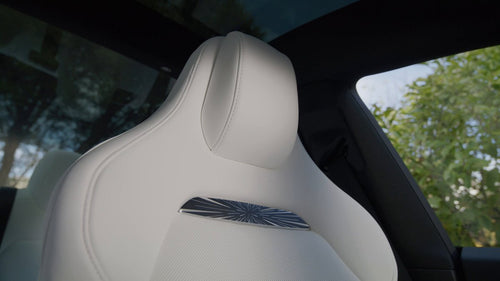
The review's standout quote says it all: "If you've got bad knees or joint pain, there's probably no truck in the world that is easier to get into than this one." That's not a small claim in an industry where drivers spend careers climbing in and out of high-cab trucks, accumulating wear and tear that ends careers early. Tesla's central driving position — a signature design choice — means drivers step into the cab rather than hauling themselves up into a traditional offset seat.
Once inside, the driver is flanked by two 16-inch QHD displays. These aren't infotainment screens bolted on as an afterthought. They're positioned on either side of the central steering column, keeping critical data within the driver's natural sightline. According to verified production specs, Tesla refers to the cabin as a "Cabin Office" — a deliberate design philosophy built around the person who will spend 10+ hours a day in that seat.
The 10-Camera System: Visibility Redefined
The review also highlights the truck's camera coverage. The production Semi ships with a 10-camera system — a significant refinement from the 26-camera setup seen in earlier prototypes. Those cameras are repositioned lower on the vehicle, mirroring the placement used on the Model 3 and Model Y, and are designed to support Full Self-Driving capabilities on the Class 8 platform. Samsung is the confirmed exclusive camera supplier.
The practical result: drivers get comprehensive views of the truck and its surroundings displayed across those dual QHD screens, reducing blind spots that have long been a safety concern in commercial trucking. For fleet operators, this isn't just a comfort feature — it's a liability and safety argument.

Ergonomic Details That Matter to Drivers
Beyond the headline features, the production Semi incorporates a series of smaller ergonomic refinements that reflect real driver feedback. Cupholders have been moved higher for easier reach. The side storage area is larger. Steering wheel rockers are positioned for intuitive one-handed operation, so drivers can control key functions without breaking their grip on the wheel.
The redesigned side windows — which extend further into the door panel compared to earlier prototypes — allow drivers to easily reach outside for toll payments or paperwork handoffs without awkward stretching. There's also a jump seat behind the driver on the right side, adding flexibility for a passenger or second crew member.
None of these are glamorous features. But in commercial trucking, driver comfort directly correlates with retention, safety, and productivity. Fleet operators know this. Tesla, apparently, does too.
🔭 The BASENOR Take
Timeline: Mass production commenced March 2026 at Gigafactory Nevada. Full ramp to 50,000 units annually targeted by Q2 2026.
Impact Level: 🟠 High — Third-party trade press validation is a significant milestone for fleet sales credibility.
Confidence: 🟢 High — Based on verified production specs and direct Commercial Carrier Journal review footage.
What makes this Commercial Carrier Journal review notable isn't just the praise — it's the source. CCJ isn't a tech blog excited about screens and cameras. It's a trade publication read by fleet managers, procurement officers, and logistics directors who buy trucks by the hundreds. When they call the Semi the easiest truck in the world to get into, that's the language of a purchase justification, not a product review.
The driver shortage in commercial trucking is real and chronic. Any truck that reduces physical strain, improves visibility, and makes a 10-hour shift more bearable has a genuine competitive advantage beyond fuel economics. Tesla appears to have understood this from the start — the central driving position, the flanking screens, the lower camera placement — these aren't tech flexes. They're deliberate answers to problems that have plagued Class 8 truck design for decades.
With mass production now underway and the annual target set at 50,000 units, the Semi is moving from prototype curiosity to commercial reality. Reviews like this one from CCJ will matter enormously as fleet operators move from interest to purchase orders. The interior story — not just the range or efficiency numbers — may prove to be one of Tesla's strongest selling arguments in the commercial market.
Related Gear
Gear up your Tesla with tested, custom-fit BASENOR accessories — shop Tesla accessories →
Sources & reporting notes
The links below identify the material source records used for this report.
- @SawyerMerritt on X (2026-04-01T03:37:00.000Z) — Direct source
- @SawyerMerritt on X (2026-04-01T03:37:01.000Z) — Direct source
Source links are preserved as published or accessed. See our editorial standards and corrections policy.
The BASENOR Editorial Desk covers Tesla, SpaceX, and related technology, curating reporting from primary sources — official accounts, regulatory filings, and software release data. Every article passes source-record and fact-checking review before publication. About the newsroom.
This report was curated by the BASENOR Editorial Desk from the sources listed above. Read our editorial standards or email editorial@basenor.com to report an error.