📌 UPDATE — May 9, 2026
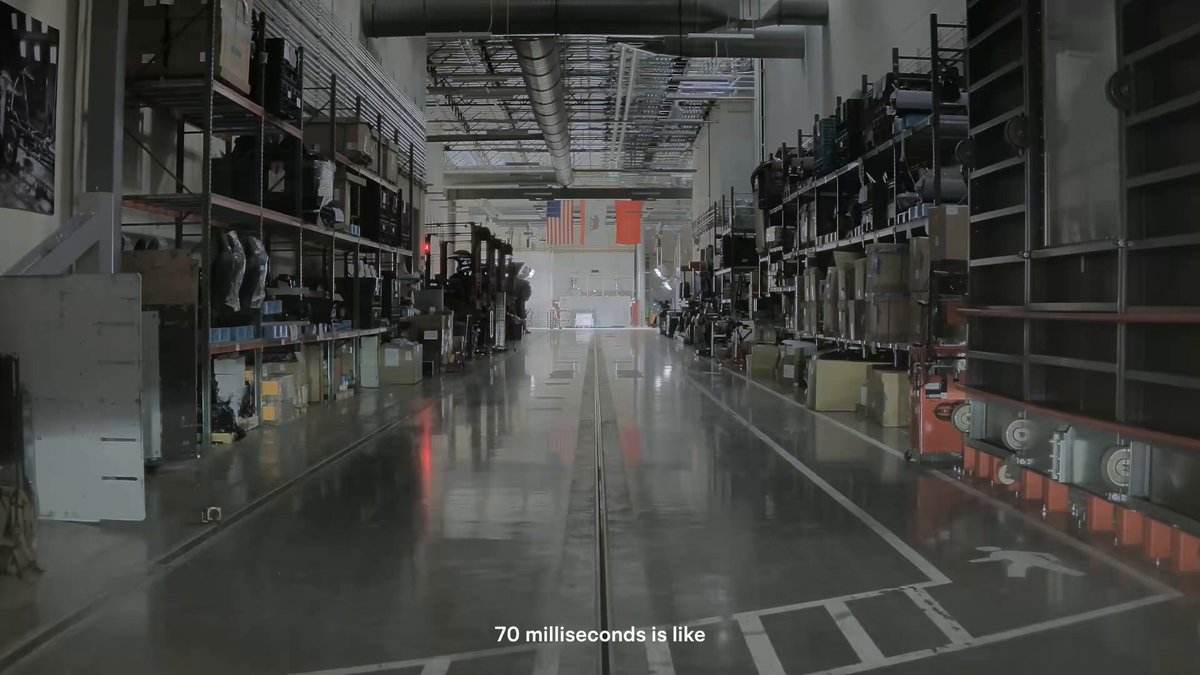
Tesla's Cybertruck Lead Engineer has now confirmed that the 70ms pre-impact airbag deployment capability extends specifically to the Cybertruck, and shed new light on how the feature was built. Crucially, the system was trained and refined using real-world crash data collected from the broader Tesla fleet — not just simulations — giving it a uniquely data-rich foundation that distinguishes it from conventional airbag trigger systems. The engineer's comments mark the first time Tesla has publicly attributed the breakthrough directly to fleet-scale crash telemetry, underscoring the compounding safety advantage of Tesla's large connected vehicle network.
@TeslaNewswire · May 9, 2026
"Tesla's Cybertruck Lead Engineer shared details on how Tesla Vision can deploy airbags up to 70 milliseconds before impact when an unavoidable collision is detected. What makes this breakthrough remarkable is that it was developed using real-world crash data from the Tesla fleet."
View on X →
Tesla has highlighted one of the more consequential safety benefits of its camera-based Tesla Vision system: the ability to deploy front airbags up to 70 milliseconds earlier than traditional crash-sensor-only systems when a collision is detected as unavoidable. That fraction of a second, Tesla says, can be the difference between walking away from a crash and sustaining serious injury.

The enhancement, introduced with software update 2025.32.3 according to Tesla's release notes, works by feeding camera data from Tesla Vision into the airbag control system alongside the vehicle's traditional impact sensors. Rather than waiting for the physical jolt of a collision to trigger deployment, the onboard computer can recognize an imminent frontal impact from visual cues and begin inflating restraints before the crash force even registers through the chassis. Tesla's own release notes describe it as enabling front airbags to 'begin to inflate and restrain occupants earlier,' building on the vehicle's existing crash protection architecture.
The catch: this feature is currently limited to vehicles running Hardware 4 (HW4/AI4), with the Model Y being the primary beneficiary at launch. Owners on the older HW3 platform will not receive this specific enhancement. If you're unsure which hardware generation your Tesla has, it's worth checking — the difference in safety capability between generations is becoming increasingly tangible.
Seventy milliseconds is easy to dismiss as a rounding error in everyday life, but in crash dynamics it represents meaningful occupant travel distance before the airbag is fully deployed. The earlier a restraint engages, the less a body has moved forward into the impact zone — which is precisely why pre-crash systems have been a focus of automotive safety research for years. Tesla's approach of using vision data to anticipate rather than react is a logical extension of the same sensor suite already doing the work in Autopilot and FSD.
📋 Tracking Tesla software? See every firmware, FSD and app version in one place in our Tesla Software Update Tracker.
Related Gear
Gear up your Tesla with tested, custom-fit BASENOR accessories — shop Tesla accessories →
Sources & reporting notes
The links below identify the material source records used for this report.
- @Tesla on X (2026-05-08T23:54:52.000Z) — Direct source
- @TeslaNewswire on X (2026-05-09T16:44:08.000Z) — Direct source
Source links are preserved as published or accessed. See our editorial standards and corrections policy.
The BASENOR Editorial Desk covers Tesla, SpaceX, and related technology, curating reporting from primary sources — official accounts, regulatory filings, and software release data. Every article passes source-record and fact-checking review before publication. About the newsroom.
This report was curated by the BASENOR Editorial Desk from the sources listed above. Read our editorial standards or email editorial@basenor.com to report an error.