The 2026 Tesla Model 3 RWD just earned a notable distinction: Edmunds has named it the most efficient EV currently in production that they've tested. In their real-world range evaluation, the car traveled 393 miles on a single charge — 30 miles beyond its official EPA estimate of 363 miles, an 8.3% overperformance that's genuinely rare in standardized testing.

The efficiency story runs deeper than the headline range number. Edmunds recorded real-world energy consumption of 21.7 kWh per 100 miles — compared to the EPA-rated 25 kWh per 100 miles. That works out to 4.61 miles per kWh in actual driving conditions, versus the EPA's 4.0 mi/kWh figure. In other words, the car is consuming 13.2% less energy than regulators estimated, which is what drives the range surplus.
On the charging side, Tesla rates the Model 3 RWD at a 250 kW peak. Edmunds measured 246 kW at peak — essentially on the money — with an average charging rate of 108 kW across the session. Neither figure is a surprise, but it confirms the hardware is performing as advertised.
For owners, the practical takeaway is straightforward: if you've been planning road trips around the 363-mile EPA figure, you likely have more buffer than you thought. Real-world range will always vary with speed, temperature, and load, but a car that consistently outperforms its EPA rating in controlled testing tends to hold up well in everyday use too. The Model 3 RWD's combination of range and efficiency now puts it at the top of Edmunds' production-EV rankings — a benchmark that matters when buyers are cross-shopping the segment.
Related Gear
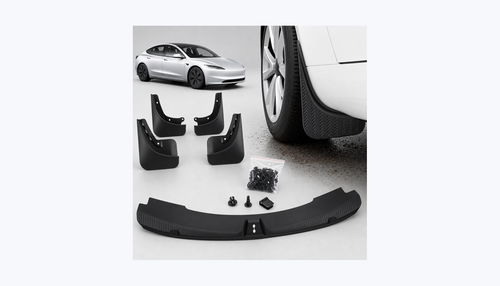
Gear up your Model 3 with tested, custom-fit BASENOR accessories — shop Model 3 accessories →
Sources & reporting notes
The links below identify the material source records used for this report.
- @SawyerMerritt on X (2026-06-08T14:28:06.000Z) — Direct source
Source links are preserved as published or accessed. See our editorial standards and corrections policy.
The BASENOR Editorial Desk covers Tesla, SpaceX, and related technology, curating reporting from primary sources — official accounts, regulatory filings, and software release data. Every article passes source-record and fact-checking review before publication. About the newsroom.
This report was curated by the BASENOR Editorial Desk from the sources listed above. Read our editorial standards or email editorial@basenor.com to report an error.