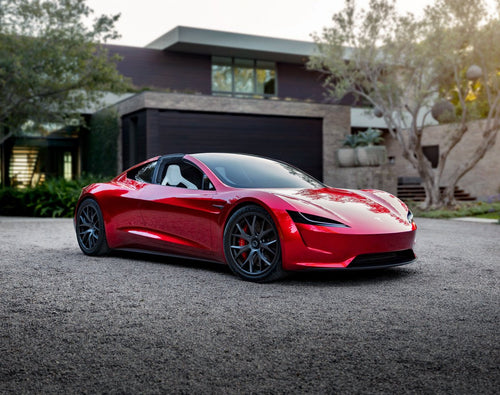
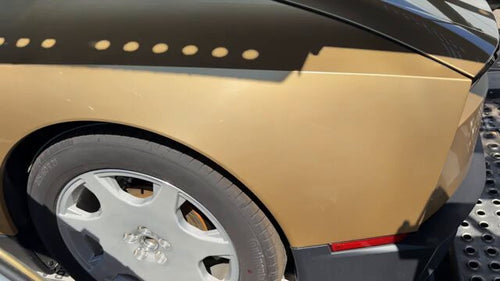
The News: More than 30 Tesla Cybercabs were observed being loaded onto covered transport trucks at Giga Texas and arriving at a crash testing facility on March 9, 2026 — the largest single-day testing activity reported to date.
Why It Matters: This surge in testing volume signals Tesla is aggressively pushing toward the Cybercab's volume production target of April 2026, with safety validation and fleet expansion happening simultaneously.
Sources: @JoeTegtmeyer · @SawyerMerritt — March 9, 2026
Tesla's Cybercab testing program just shifted into a noticeably higher gear. Drone footage and on-the-ground reporting from Giga Texas on March 9 confirmed more than 30 Cybercabs in motion — some being loaded onto covered transport trucks at the outbound lot, others already at the crash testing facility. For a vehicle that only saw its first production unit roll off the line in mid-February 2026, this is a significant acceleration in validation activity.

📊 Key Figures
| Metric | Value | Context |
|---|---|---|
| Cybercabs spotted today (total) | 30+ | Largest single-day sighting |
| Units being prepped for transport | 15+ | Covered trucks, outbound lot |
| Units at crash testing facility (Mar 5) | 15 | Up from 9 on March 3 |
| First production unit off the line | Mid-Feb 2026 | Ahead of April target |
| Volume production target | April 2026 | Official Tesla timeline |
What's Actually Happening at Giga Texas
Aerial observer Joe Tegtmeyer captured the loading process in real time — a first for public documentation of the Cybercab transport operation. The vehicles are being loaded onto covered transport trucks, which is standard procedure for pre-production units Tesla doesn't want photographed in transit. Sawyer Merritt independently confirmed at least 15 units being prepared for fleet expansion.

One detail worth flagging: every Cybercab spotted being loaded for transport has a steering wheel. This isn't a coincidence. Tesla VP of Vehicle Engineering Lars Moravy has confirmed that Cybercabs with steering wheels belong to a "remote controlled fleet" used strictly for testing — they are not production-intent vehicles and are "not for sale." The commercial Cybercab will ship without a steering wheel, pedals, or any traditional driver controls.

The Crash Testing Ramp: Why It Matters
The parallel crash testing activity is arguably the more significant story. On March 3, 9 Cybercabs were at the crash testing facility. By March 5, that number had jumped to 15. Today's activity suggests the pace hasn't slowed. Crash testing at this scale isn't just about meeting federal safety minimums — it's the kind of volume you run when you're finalizing production-spec structural validation before a launch. Tesla needs NHTSA safety ratings before the Cybercab can operate commercially at scale, and you can't rush the physics of crash testing.
🔭 The BASENOR Take
Timeline: March 9, 2026 — approximately 3 weeks before the April volume production target
Impact Level: 🟠 High — This is the clearest signal yet that Tesla is on track for April
Confidence: ⭐⭐⭐⭐ — Multiple independent observers, video evidence, consistent with prior trajectory
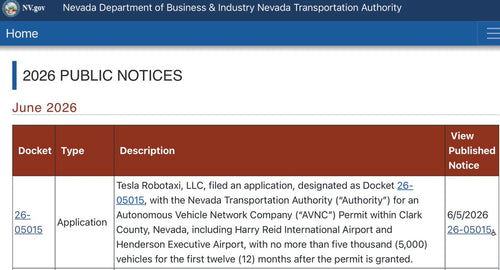
What to Watch: Whether these transport units are heading to existing Robotaxi markets (Austin is already running unsupervised rides) or to the seven new cities Tesla has targeted for H1 2026 expansion — Dallas, Houston, Phoenix, Miami, Orlando, Tampa, and Las Vegas.
The pace of this testing ramp is notable in context. The first production Cybercab rolled off the Giga Texas line in mid-February — earlier than the originally anticipated April start for production. The fact that Tesla already has enough units to simultaneously run crash testing AND expand the road-test fleet suggests the manufacturing line is producing at a meaningful clip, even if it's not yet at volume scale.
For owners watching the Cybercab as a potential future vehicle: the sub-$30,000 target price and autonomous-only design remain the commercial goal. But what's being tested right now — steering-wheel-equipped units under remote control — represents the engineering validation layer that must be completed before any of that becomes real. Today's activity is Tesla doing the unglamorous but essential work that gets a vehicle from "first unit off the line" to "available to order."
The robotaxi service expansion timeline is also worth keeping in mind. Tesla's Austin service progressed from safety-operator rides (June 2025) to unsupervised operation in January 2026. If the seven new city launches are still on track for H1 2026, Tesla would need a significantly larger Cybercab fleet than currently exists — which makes this transport and testing surge look less like routine validation and more like active fleet-building. Keep watching the Giga Texas outbound lot. The numbers are only going one direction. For the latest on our FSD coverage, including Robotaxi updates, check our dedicated section.

Marcus covers Tesla's software releases, FSD rollouts, and OTA changes. Background in automotive engineering. Based in Austin.
Sources verified at publish time. Spotted an inaccuracy? Email editorial@basenor.com.