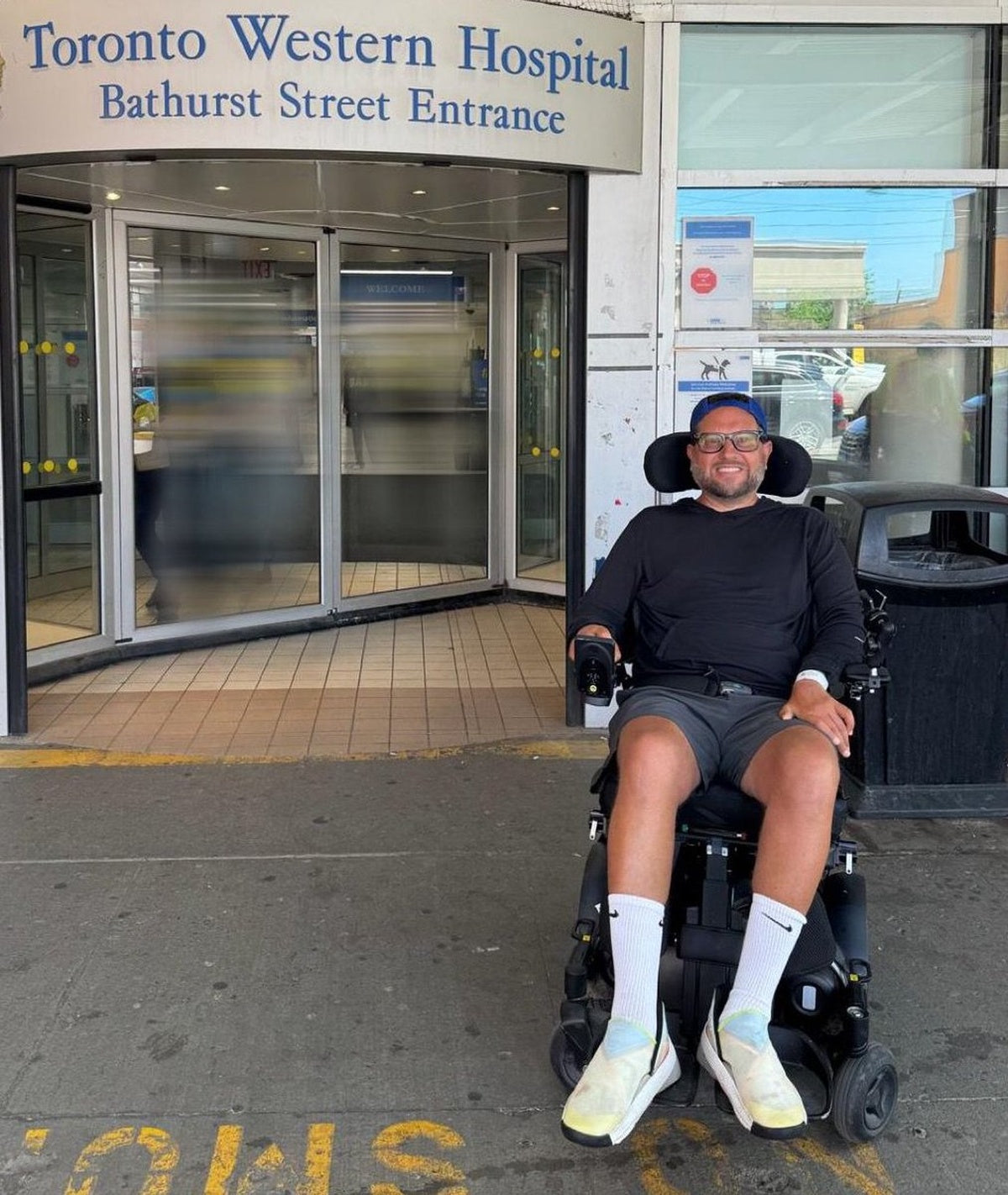
Neuralink has reached its 26th patient in its ongoing human clinical trials, according to a post shared by Whole Mars Catalog on X. The figure marks a notable jump from the 21 total participants confirmed globally as recently as January 2026, suggesting the company has meaningfully accelerated its enrollment pace heading into the second half of the year.

Neuralink began human implant trials in early 2024, with Noland Arbaugh becoming the first recipient of the company's "Telepathy" device in January of that year. Arbaugh, who is quadriplegic, demonstrated the ability to control a computer cursor, browse the internet, and post on social media using thought alone. Since then, the company has expanded its clinical reach internationally — launching trials in the UAE, the United Kingdom, and Canada, with seven patients enrolled in the GB PRIME study in Great Britain as of May 2026.
The trials span two primary studies: the PRIME Study, targeting people with quadriplegia from spinal cord injury or ALS who want to control computers and robotic arms through thought, and the VOICE trial, focused on decoding words from thought for individuals with severe speech impairment. The Link implant itself is roughly the size of a quarter — 23 mm in diameter — and features up to 3,072 electrodes per device. Neuralink received FDA Breakthrough Device Designation for both its speech restoration technology and its Blindsight vision-restoration project.
At the close of 2025, Elon Musk announced plans to begin high-volume production of the brain-computer interface devices and move toward an almost entirely automated surgical procedure in 2026. Reaching 26 implanted patients in roughly 2.5 years of human trials is a modest but steady pace for a technology this early in its development — and the international expansion suggests the bottleneck is shifting from regulatory access to surgical capacity and patient recruitment. How quickly that changes will depend heavily on whether the automated procedure timeline holds.
Sources & reporting notes
The links below identify the material source records used for this report.
- @wholemars on X (2026-06-22T19:02:22.000Z) — Direct source
Source links are preserved as published or accessed. See our editorial standards and corrections policy.
The BASENOR Editorial Desk covers Tesla, SpaceX, and related technology, curating reporting from primary sources — official accounts, regulatory filings, and software release data. Every article passes source-record and fact-checking review before publication. About the newsroom.
This report was curated by the BASENOR Editorial Desk from the sources listed above. Read our editorial standards or email editorial@basenor.com to report an error.