Tesla's structural battery pack is one of the more quietly radical engineering decisions in modern automotive history. The concept is straightforward in principle but profound in execution: the battery pack doesn't sit beneath the floor — it is the floor. That single design choice ripples through nearly every aspect of how the vehicle is built, how it handles, and how it survives a crash.

In a conventional EV, the battery pack is a self-contained module bolted underneath a separate body structure. Tesla's approach, refined across the Model Y and Cybertruck, eliminates that separation entirely. The pack's outer casing becomes a structural member of the vehicle itself — bonded and integrated so that removing it would compromise the car's rigidity. According to verified engineering breakdowns, this approach reduces overall vehicle mass, lowers the center of gravity, and increases torsional stiffness compared to bolt-on pack designs.
The cells powering this design are Tesla's 4680 cylindrical units — 46mm in diameter, 80mm tall — featuring a tabless electrode architecture that improves thermal management and supports faster charging. Tesla has been producing both the anode and cathode for these cells using a dry electrode process, a manufacturing method that significantly cuts production costs compared to traditional wet electrode methods. The goal, which Tesla indicated was on track by the end of 2024, is for in-house 4680 cells to become the company's lowest-cost cell per kilowatt-hour.
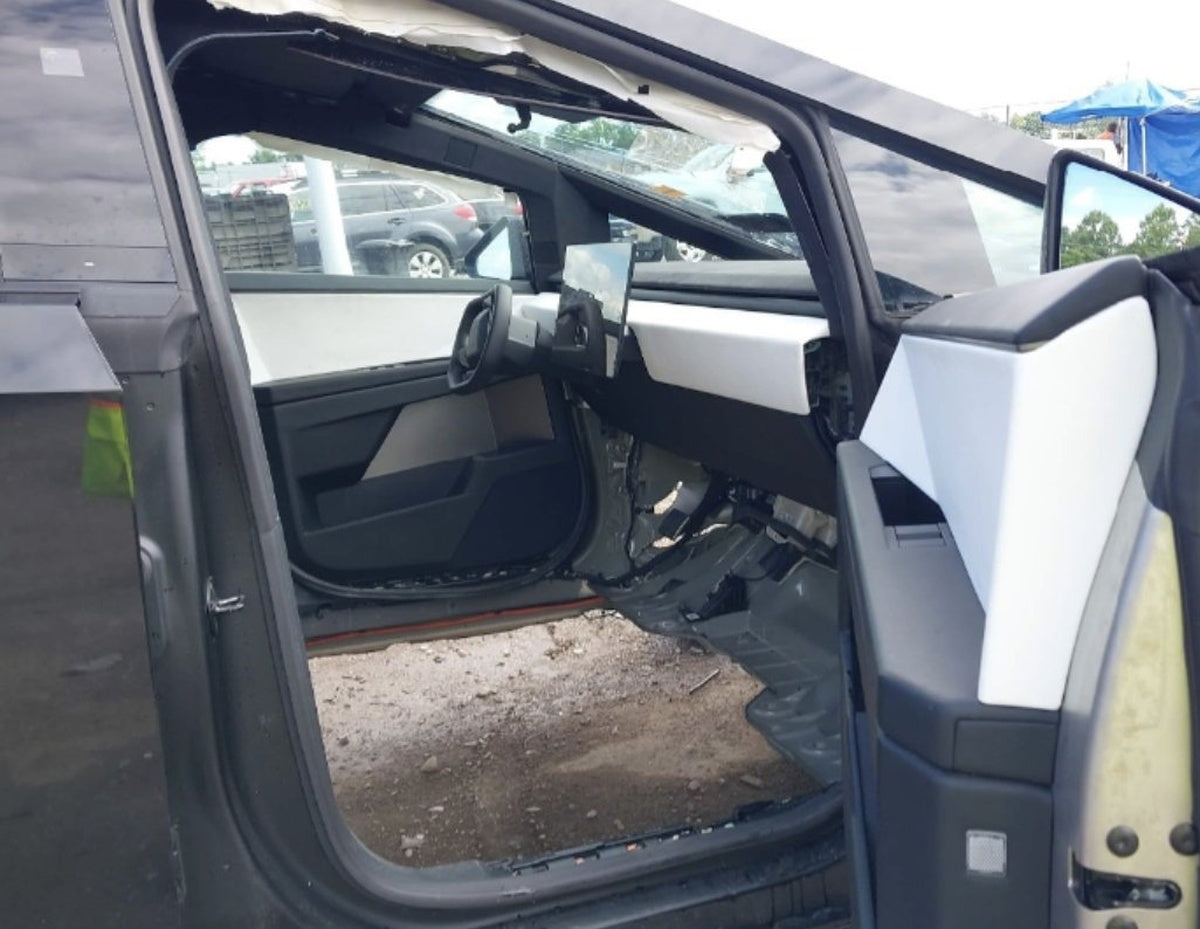
The safety implications are worth noting for owners. Because the pack is load-bearing, side-impact energy is distributed through the battery structure itself rather than relying solely on body rails and crumple zones. This is a different safety philosophy than traditional designs — and one that has contributed to strong crash test results for vehicles using the platform. The trade-off is that pack serviceability becomes more complex, which is a real consideration if you're ever dealing with deep structural damage.
For most owners, the structural pack is invisible in daily life — you feel its effects in the car's planted, low-slung handling and the flat, uninterrupted cabin floor. But it represents a foundational bet that Tesla made years ago: that integrating manufacturing complexity upfront pays dividends in performance, cost, and safety at scale. As the 4680 production line matures and dry electrode costs continue to fall, that bet looks increasingly well-placed.
Related Gear
Gear up your Tesla with tested, custom-fit BASENOR accessories — shop Tesla accessories →
Sources & reporting notes
The links below identify the material source records used for this report.
- @wholemars on X (2026-06-22T19:23:46.000Z) — Direct source
Source links are preserved as published or accessed. See our editorial standards and corrections policy.
The BASENOR Editorial Desk covers Tesla, SpaceX, and related technology, curating reporting from primary sources — official accounts, regulatory filings, and software release data. Every article passes source-record and fact-checking review before publication. About the newsroom.
This report was curated by the BASENOR Editorial Desk from the sources listed above. Read our editorial standards or email editorial@basenor.com to report an error.