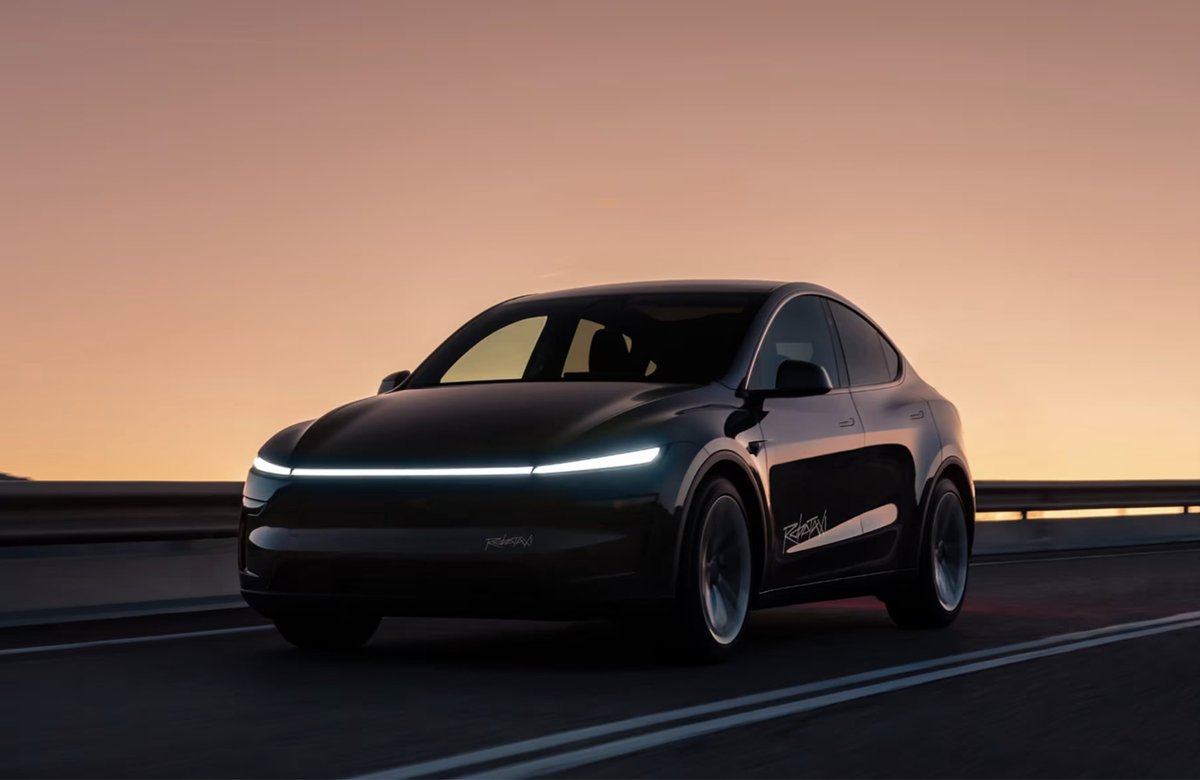
Newly surfaced NHTSA crash data covering Tesla's Model Y Robotaxi fleet from mid-June through mid-July shows zero at-fault crashes attributed to the autonomous driving system. According to the filing, the only two incidents involving Robotaxi vehicles during that window were caused by human drivers in other cars — not Tesla's Autonomous Driving System (ADS). The data was highlighted by Tesla investor and analyst Sawyer Merritt on August 17, citing NHTSA's Standing General Order incident reports.
For owners tracking the maturity of Tesla's autonomy stack — and for anyone weighing whether to eventually ride in or hail a Robotaxi — this is the kind of federal-level datapoint that matters more than any promo clip. Here's what the filing says, how it fits into the broader NHTSA record on Tesla, and the concrete steps you should take to stay informed.

What The NHTSA Filing Actually Says
The specific mid-June to mid-July 2026 slice shared by Merritt reports two incidents involving Model Y Robotaxi vehicles. In both cases, NHTSA's summary attributes fault to the human driver of the other vehicle. Neither incident was caused by Tesla's ADS.
That's a narrow but meaningful window. It sits inside a much larger federal dataset. According to previously reported NHTSA figures covering Tesla's Robotaxi service in Austin from July 2025 through March 2026, the fleet logged 17 total reported incidents. Of those, only 6 minor contact events were deemed at-fault or partially at-fault for Tesla's ADS. The vehicles in the dataset are 2026 Model Y units operating with the ADS engaged and a human safety monitor onboard.
Austin Police Lieutenant William White has publicly confirmed no major crashes and no traffic citations issued to Tesla Robotaxis in the city, which aligns with the federal record.
Key Figures At A Glance
| Metric | Value | Source Period |
|---|---|---|
| Robotaxi at-fault crashes | 0 | Mid-June to mid-July 2026 |
| Incidents involving fleet | 2 (both caused by other drivers) | Mid-June to mid-July 2026 |
| Total reported incidents | 17 | July 2025 – March 2026 |
| At-fault ADS events | 6 minor contact | July 2025 – March 2026 |
| Traffic citations issued | 0 | Per Austin PD |
Action Plan: What Tesla Owners Should Do
This isn't a filing that requires urgent owner intervention — no recall, no software step. But there are concrete moves worth making right now if you follow autonomy closely or use FSD daily.
1. Bookmark the NHTSA Standing General Order portal
NHTSA publishes crash incident data under its Standing General Order for ADS and Level 2 vehicles at nhtsa.gov. This is the same primary source Merritt cited. Checking it directly — rather than relying on secondhand summaries — is the single best way to separate real safety signals from social media noise. Filter by manufacturer to see Tesla-specific filings.
2. Understand what a "Robotaxi" incident actually means
The dataset lumps together everything from minor parking-lot contact to teleoperator-controlled maneuvers. Two significant historical incidents involved remote teleoperators taking manual control — a July 2025 collision with a metal fence and a January 2026 contact with a construction barricade. Those are part of the system's planned low-speed fallback architecture, not autonomous driving failures. When you read future headlines about a "Robotaxi crash," check whether the ADS was engaged or a teleoperator was in control.
3. Keep your own FSD version current
The consumer FSD stack that ships to your Model 3, Y, S, X, or Cybertruck is separate from — but architecturally related to — the Robotaxi ADS. Federal safety records for the commercial fleet are a leading indicator of how the underlying neural nets are performing. Keep Software Update Preferences set to Advanced in your Tesla app so you receive FSD point releases as soon as they're pushed to your VIN.
4. Report your own incidents accurately
If you're ever involved in a crash while FSD (Supervised) is engaged, note the exact software version, the state of the system at the moment of the event, and whether you were actively supervising. Tesla auto-reports qualifying events to NHTSA under the Standing General Order, but your own documentation matters if fault is later disputed. Screenshots of the version screen (Controls → Software) and dashcam clips saved to a USB drive are your best evidence.
5. Watch the ongoing FSD investigation (PE25012)
NHTSA opened investigation PE25012 in October 2025, covering roughly 2.88 million Teslas equipped with FSD (Supervised) or FSD (Beta). It examines behaviors including running red lights and driving against the proper direction of travel. This investigation is still active as of mid-2026. Any preliminary findings could trigger a mandatory software update — that's the kind of event that would actually require owner action.
What To Watch Next
Two things worth tracking over the next quarter: whether NHTSA expands its Robotaxi dataset as Tesla scales the service beyond Austin, and whether PE25012 moves from preliminary evaluation to an engineering analysis — the next escalation step, which typically precedes a recall determination. Owners who care about autonomy don't need to panic on either front, but both will shape what your car is legally allowed to do next year.
The mid-June to mid-July window is a single data point, not a verdict. But zero at-fault crashes in a federally monitored dataset is the kind of number Tesla will lean on hard the next time the company faces regulatory pressure — and it's the kind of number every FSD owner should be able to quote when the topic comes up.
🚕 Following the Robotaxi rollout? See every operating city, launch date and announced market in our Tesla Robotaxi Tracker.
Related Gear
Gear up your Model Y with tested, custom-fit BASENOR accessories — shop Model Y accessories →
Sources & reporting notes
The links below identify the material source records used for this report.
- @SawyerMerritt on X (2026-08-17T16:23:42.000Z) — Direct source
- @SawyerMerritt on X (2026-08-17T16:23:43.000Z) — Direct source
Source links are preserved as published or accessed. See our editorial standards and corrections policy.
The BASENOR Editorial Desk covers Tesla, SpaceX, and related technology, curating reporting from primary sources — official accounts, regulatory filings, and software release data. Every article passes source-record and fact-checking review before publication. About the newsroom.
This report was curated by the BASENOR Editorial Desk from the sources listed above. Read our editorial standards or email editorial@basenor.com to report an error.