📌 UPDATE — July 7, 2026
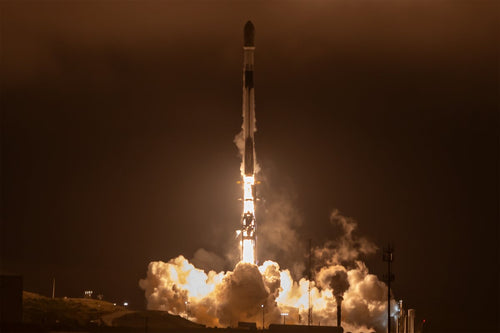
Transporter-17 has successfully launched from SLC-4E at Vandenberg Space Force Base. Booster B1097-11 completed its 11th flight and stuck the landing, while SpaceX confirmed the rideshare payload deployment sequence is now underway. All signs point to a nominal mission.

📸 @NASASpaceflight — Liftoff confirmed

📸 @NASASpaceflight — Booster touchdown
SpaceX successfully launched the Falcon 9 Transporter-17 rideshare mission from Vandenberg Space Force Base in the early hours of July 7, 2026. The flight carried 81 payloads to sun-synchronous orbit for customers spanning five nations — another routine-looking mission that, on closer inspection, is anything but routine.

1. The Launch Window and Site
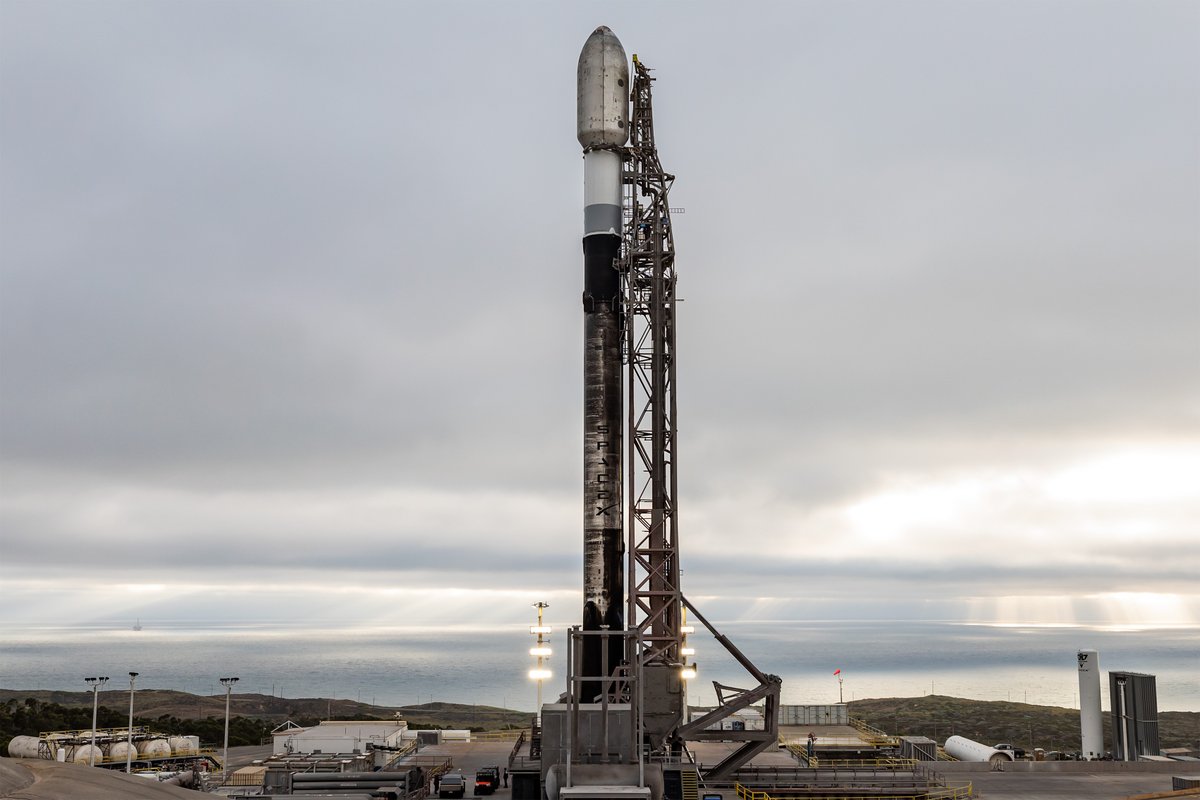
Falcon 9 lifted off from Space Launch Complex 4E (SLC-4E) at Vandenberg Space Force Base in California, with a 95-minute launch window opening at 12:10 a.m. PT (3:10 a.m. EDT / 7:10 a.m. UTC). SpaceX targeted liftoff at 12:12 a.m. PT. Vandenberg is SpaceX's go-to site for polar and sun-synchronous orbit missions, making it the natural home for the Transporter rideshare series.
2. 81 Payloads Across Five Nations
Transporter-17 carried a total of 81 payloads — cubesats, microsats, hosted payloads, and orbital transfer vehicles — for customers from at least five different countries. Eight of those payloads are slated for later deployment via orbital transfer vehicles rather than direct release, extending the mission's operational timeline well beyond launch day.
3. Notable Satellites on Board
Several high-profile payloads rode along on this flight. CAS500-4, a South Korean Earth-observation satellite weighing approximately 500 kilograms, is among the largest on the manifest. Canadian operator EarthDaily Analytics contributed Loft-EarthDaily-8 (EDA-8), while GHGSat sent up two methane-monitoring satellites — LEMUR-2-ELEONORE and LEMUR-2-NURAY. Spire Global alone delivered 10 satellites, and SEOPS integrated 10 customer spacecraft from five nations, underscoring just how international the rideshare model has become.
4. Booster B1097 Flew for the 11th Time
The first stage booster supporting this mission, designated B1097, completed its 11th flight — a testament to how far SpaceX has pushed reusability since the Block 5 design debuted. Each reflown booster represents significant cost savings compared to an expendable rocket, and double-digit flight counts are now a regular occurrence rather than a milestone event for the Falcon 9 program.
5. Droneship Landing in the Pacific
Following stage separation, booster B1097 was targeted to land on SpaceX's droneship Of Course I Still Love You, stationed in the Pacific Ocean. Downrange droneship landings are standard for Transporter missions launching from Vandenberg, where the trajectory doesn't allow a return-to-launch-site recovery. A successful landing would mark another entry in SpaceX's growing booster reuse ledger.
6. Sun-Synchronous Orbit — Why It Matters for These Payloads
Transporter-17 targets sun-synchronous orbit (SSO), a near-polar orbit where the satellite passes over any given point on Earth at roughly the same local solar time each day. This makes SSO ideal for Earth-observation and remote-sensing satellites — like CAS500-4 and the EarthDaily Analytics payload — because consistent lighting conditions dramatically improve image comparability over time. The majority of commercial smallsat operators building Earth-imaging or atmospheric-monitoring constellations rely on SSO launches like this one.
7. The Transporter Series by the Numbers
Transporter-17 is the latest in SpaceX's dedicated rideshare program, which launched its first mission in January 2021. The series has become a cornerstone of the commercial smallsat industry, offering affordable, frequent access to SSO for operators who can't fill — or afford — a dedicated rocket. With 17 missions now in the books, SpaceX has established a launch cadence that competitors in the rideshare market are still working to match.

With 81 payloads delivered and a veteran booster back on the droneship, Transporter-17 adds another data point to SpaceX's case that high-frequency, affordable rideshare access to orbit is no longer a promise — it's a product. The next Transporter mission is expected later this year as demand from the smallsat industry continues to grow. For more on SpaceX's launch program, follow our SpaceX coverage.

Sarah focuses on Tesla Energy, SpaceX missions, and the broader Musk AI portfolio. Former data analyst in clean energy. Based in San Francisco.
Sources verified at publish time. Spotted an inaccuracy? Email editorial@basenor.com.