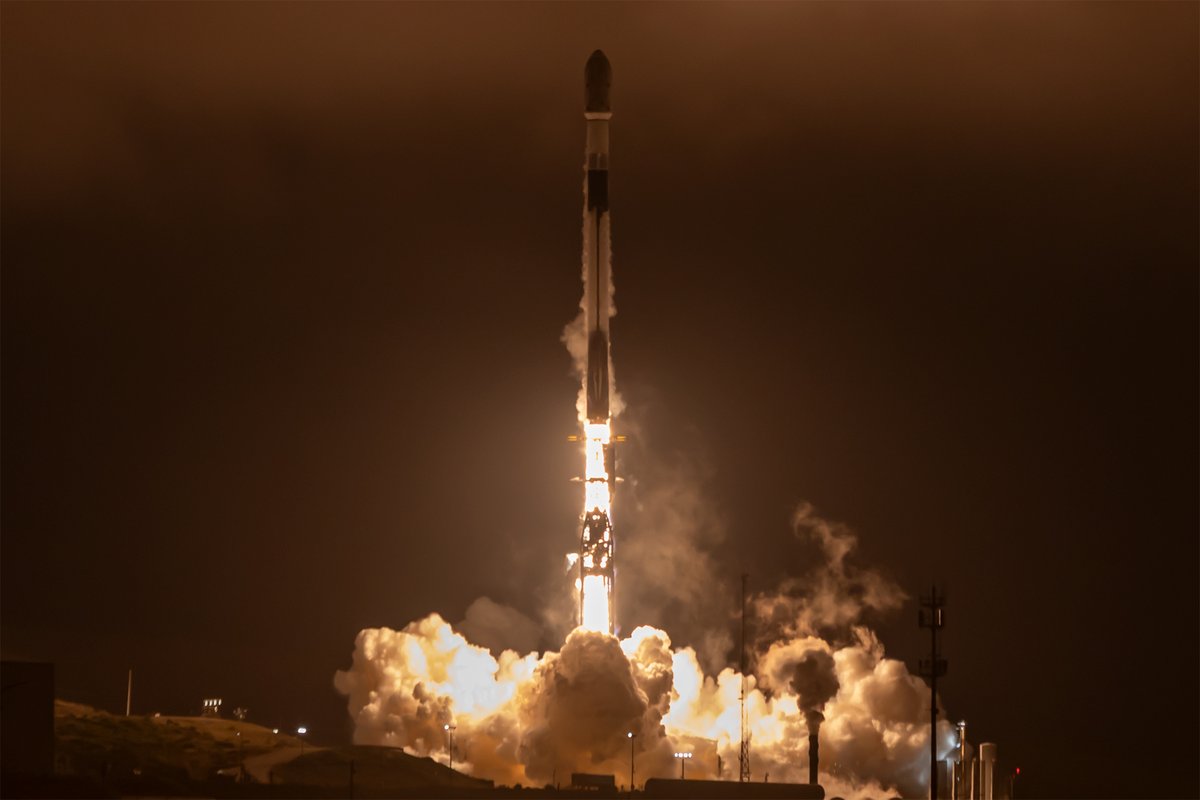
SpaceX completed another milestone rideshare mission on July 7, 2026, when a Falcon 9 rocket successfully deployed 81 payloads into orbit from Vandenberg Space Force Base. Elon Musk confirmed the achievement on X, and the details behind this launch are more interesting than the headline suggests — from a nuclear-powered satellite to a battle-tested booster flying for the 11th time.

What exactly was the Transporter-17 mission?
Transporter-17 is the 17th flight of SpaceX's dedicated rideshare program, which bundles dozens of small satellites from different customers onto a single Falcon 9 rocket. The rocket lifted off at 3:12 a.m. EDT (0712 GMT) from Space Launch Complex 4E at Vandenberg Space Force Base in California. In total, 81 payloads were deployed into Low Earth Orbit and Sun-Synchronous Orbit — a polar orbit that keeps a satellite passing over any given point on Earth at the same local solar time, making it ideal for Earth observation.
What were the most notable payloads on board?
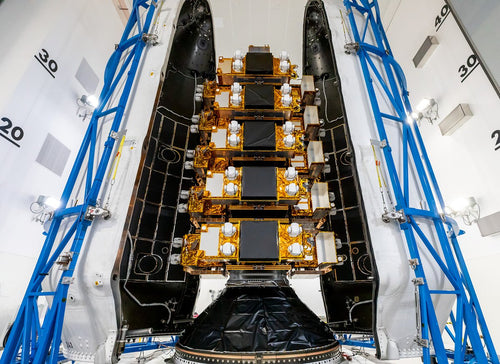
The headline passenger was the BOHR satellite — described by mission analysts as the world's first commercially built nuclear-powered satellite. It carries a "NanoTritium" betavoltaic micropower source, a technology that converts energy from radioactive decay into electricity. Also flying was CAS500-4, a South Korean Earth-observation satellite weighing roughly 1,100 pounds (500 kg). Rounding out the manifest: fire detection satellites, military technology demonstrators, 3D printers, and four Canadian payloads focused on environmental monitoring and academic research.
How did the booster perform, and why does reusability matter here?
The Falcon 9 first stage used for Transporter-17 was flying for its 11th time. After stage separation, it successfully landed on the droneship Of Course I Still Love You in the Pacific Ocean. Each successful reuse of a booster directly reduces the per-kilogram cost of reaching orbit — which is precisely what makes the rideshare model economically viable for smaller satellite operators who couldn't afford a dedicated launch. An 11-flight booster that lands cleanly is a strong data point for the long-term durability of the Falcon 9 hardware.
How long did the deployment take, and where did the satellites go?
Payload deployment began approximately 50.5 minutes after liftoff and continued for roughly 2.5 hours, according to Space.com. The satellites were placed into Sun-Synchronous Orbit — a subset of Low Earth Orbit sitting at an altitude where the orbital plane stays aligned with the Sun. SSO is the preferred destination for Earth-observation and remote-sensing missions because it provides consistent lighting conditions for imaging.
Where does this fit in SpaceX's 2026 launch cadence?
Transporter-17 was SpaceX's 79th Falcon 9 launch of 2026, according to mission tracking data. That pace — roughly 11 launches per month — underscores how the Falcon 9 has become the workhorse of the commercial launch industry. The Transporter rideshare program specifically has grown into a reliable pipeline for small satellite operators, offering scheduled launch windows and competitive pricing that would have been unimaginable a decade ago.
With the BOHR satellite now in orbit, the next milestone to watch is whether its NanoTritium power source performs as expected in the space environment — a result that could open the door to a new class of long-duration small satellites that don't depend on solar panels at all. For SpaceX coverage, see our SpaceX coverage.
Sources & reporting notes
The links below identify the material source records used for this report.
- @elonmusk on X (2026-07-07T15:44:11.000Z) — Direct source
Source links are preserved as published or accessed. See our editorial standards and corrections policy.
The BASENOR Editorial Desk covers Tesla, SpaceX, and related technology, curating reporting from primary sources — official accounts, regulatory filings, and software release data. Every article passes source-record and fact-checking review before publication. About the newsroom.
This report was curated by the BASENOR Editorial Desk from the sources listed above. Read our editorial standards or email editorial@basenor.com to report an error.