

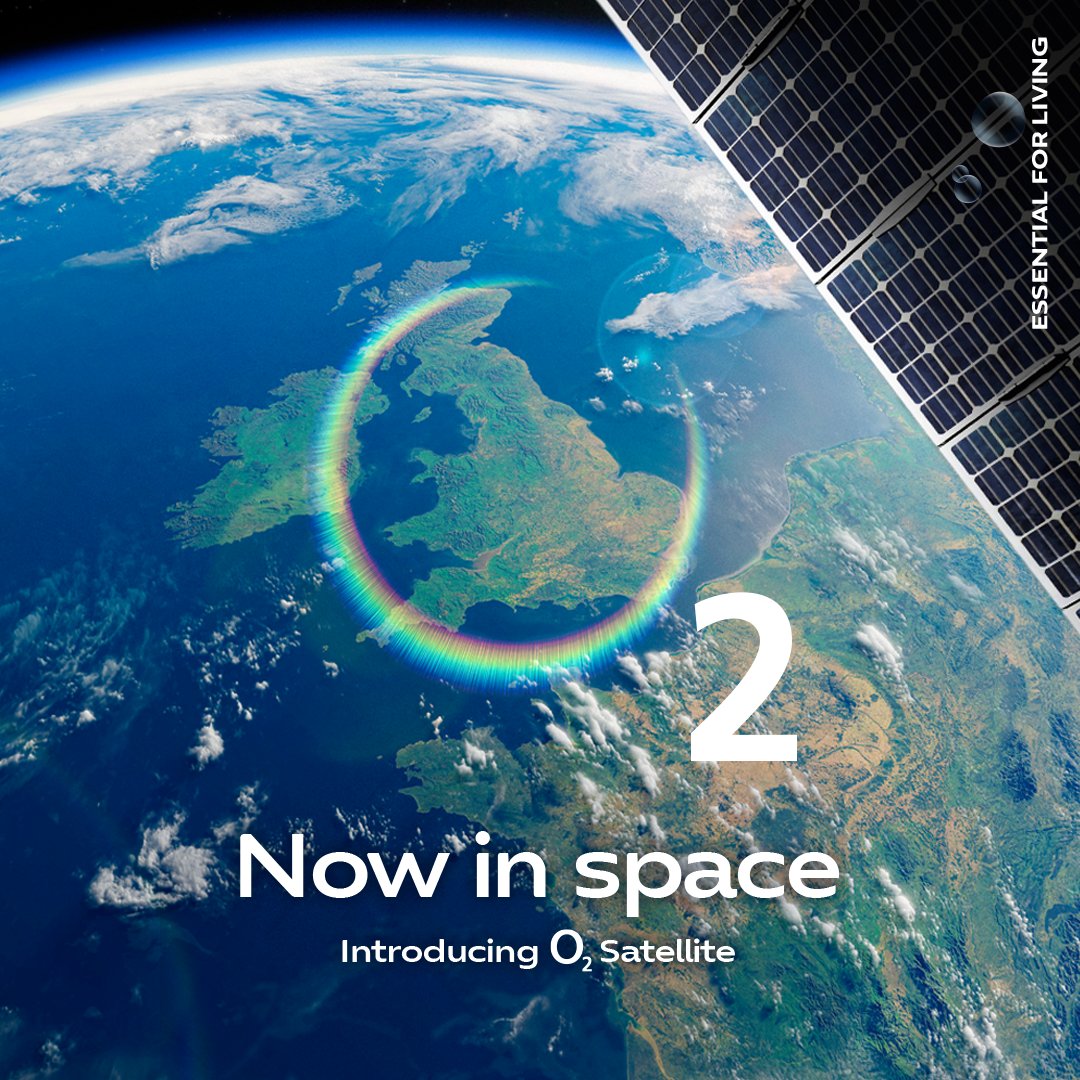
The News: Starlink Direct to Cell has officially launched in the United Kingdom — the first Direct-to-Cell satellite mobile service in Europe — in partnership with Virgin Media O2.
Why It Matters: For the first time, standard LTE smartphones can connect to data, voice (via apps), and messaging services in UK areas with zero terrestrial cell coverage, with no specialist hardware required.
Source: @Starlink on X

Europe Gets Its First Satellite-to-Smartphone Service
Starlink Direct to Cell has gone live in the United Kingdom, making it the first country in Europe to offer commercial satellite-to-smartphone connectivity. The service, announced officially by Starlink on February 27, 2026, is the product of a partnership between SpaceX and UK mobile operator Virgin Media O2, which has branded it 'O2 Satellite.'
The technology is significant because it requires no specialist hardware. Standard LTE smartphones connect directly to SpaceX's satellites in low Earth orbit, filling in coverage gaps that terrestrial cell towers simply cannot reach. According to Virgin Media O2, the launch expands the operator's UK landmass coverage from 89% to 95% — adding connectivity to an area roughly two-thirds the size of Wales that previously had no mobile signal whatsoever.
📊 Key Figures
| Metric | Value | Context |
|---|---|---|
| Coverage Expansion | 89% → 95% | UK landmass |
| New Area Covered | ~⅔ size of Wales | No prior terrestrial signal |
| Price | £3/month | Bolt On for Pay Monthly |
| Estimated Speed (now) | ~4 Mbps per user | Peak 17 Mbps in testing |
| Speed Target (next-gen) | 150 Mbps per user | Expected late 2027 |
| Launch Device Support | Samsung Galaxy S25+ | More manufacturers coming |
Who Can Use It Right Now?
At launch, O2 Satellite is available exclusively to Virgin Media O2 Pay Monthly customers using a Samsung Galaxy S25 or newer device. More devices, manufacturers, and supported apps are expected to be added over time. The service is available as a £3-per-month Bolt On, with plans to include it at no extra cost for Ultimate Plan subscribers in the near future.
Supported services at launch include messaging, data, and voice over apps. Specifically, apps confirmed to work include WhatsApp, Messenger, Google Maps, Google Messages, BBC Weather, AccuWeather, AllTrails, X, Yahoo Mail, Samsung Weather, Google Find Hub, and Google Personal Safety. Standard cellular voice calls are not supported at launch — but WhatsApp calls are.
🔌 Supported Apps at Launch
🔭 The BASENOR Take
Timeline: Service live as of February 26–27, 2026. Next-gen 150 Mbps architecture expected late 2027.
Impact Level: 🟠 High — First European market. Sets precedent for Starlink carrier partnerships across the continent.
Confidence: ✅ Confirmed — Official Starlink announcement + Virgin Media O2 press release.
📰 Deep Dive
This launch is a milestone not just for SpaceX, but for the entire satellite-to-smartphone industry. The UK becoming the first European nation to go live with Direct-to-Cell sets a template that other carriers across the EU and beyond are likely to follow closely. The regulatory groundwork — Ofcom approving the UK's first license for satellite-to-smartphone services — matters as much as the technology itself. Europe's fragmented spectrum landscape has historically slowed innovations like this; the UK's swift regulatory movement could pressure other nations to accelerate approvals.
The Virgin Media O2 branding of 'O2 Satellite' is also strategically telling. SpaceX is not selling directly to consumers here — it is selling the infrastructure layer to mobile operators, who then package and market the service under their own identity. This is the same B2B carrier model Starlink is pursuing in the United States with T-Mobile. It means rapid consumer adoption without SpaceX having to build its own retail channel, and it means carriers bear the customer support burden. For SpaceX, it's an enormously scalable go-to-market strategy.
Current speeds of approximately 4 Mbps per user are modest but functional for the intended use case: messaging, mapping, weather, and app-based calls in remote areas where the alternative is zero signal. The ceiling is set much higher. SpaceX has confirmed it is targeting 150 Mbps per user with a next-generation Direct-to-Cell architecture, expected to roll out in late 2027. When that upgrade arrives, the service will shift from a connectivity lifeline to a genuine mobile broadband alternative for rural and remote areas — a fundamentally different proposition for both consumers and carriers.
For now, the Samsung Galaxy S25 device restriction is the service's most significant practical limitation. The hardware requirements for direct satellite connectivity are specific, and not every LTE phone qualifies. As more manufacturers — particularly Apple, if and when iOS support arrives — are added to the compatible list, the addressable market expands dramatically. Watch for announcements from O2 and SpaceX on expanded device support as the likely next catalyst for this story. For our SpaceX coverage, see all SpaceX and Starlink updates.
Sources & reporting notes
The links below identify the material source records used for this report.
- @Starlink on X (2026-02-27T23:37:48.000Z) — Direct source
Source links are preserved as published or accessed. See our editorial standards and corrections policy.
The BASENOR Editorial Desk covers Tesla, SpaceX, and related technology, curating reporting from primary sources — official accounts, regulatory filings, and software release data. Every article passes source-record and fact-checking review before publication. About the newsroom.
This report was curated by the BASENOR Editorial Desk from the sources listed above. Read our editorial standards or email editorial@basenor.com to report an error.






