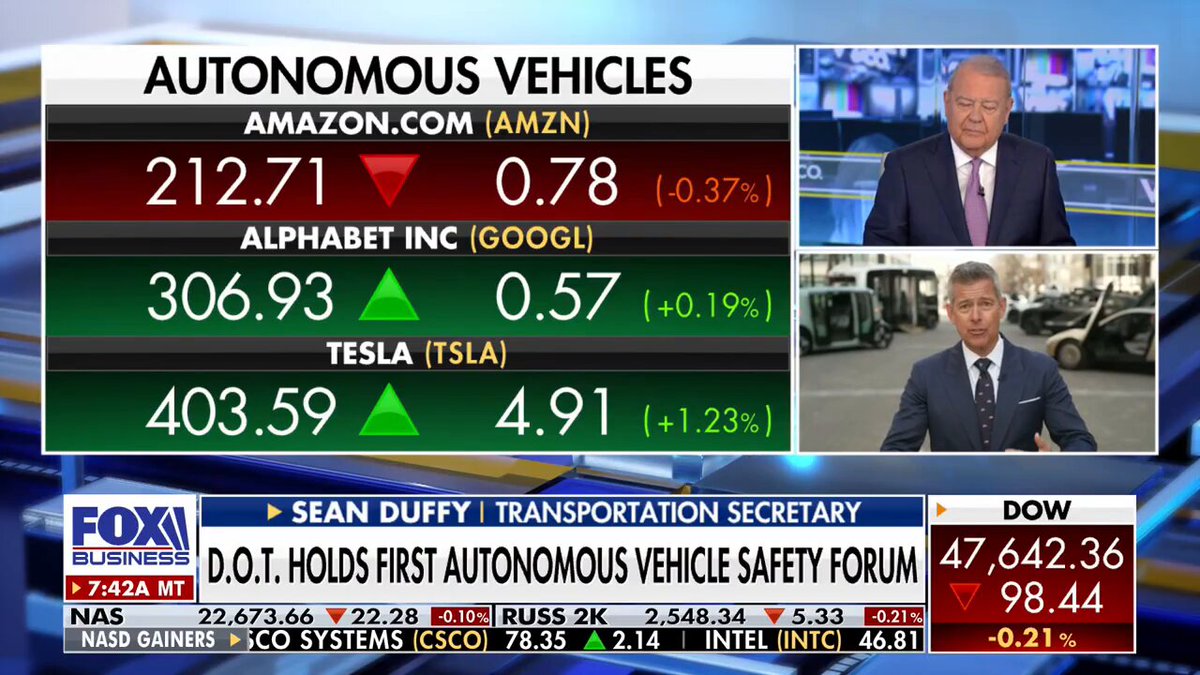
The News: NHTSA hosted its first National AV Safety Forum on March 10, 2026, with Tesla among the top autonomous vehicle innovators in attendance alongside Waymo, Zoox, and Aurora.
Why It Matters: Federal regulators are actively rewriting the rules for autonomous vehicles — including whether a steering wheel is even required — and Tesla's Cybercab is directly in the crosshairs of that decision.
Source: @SawyerMerritt on X
Tesla Joins First U.S. AV Safety Forum — The Steering Wheel Question Is Now Federal Policy
For the first time, the U.S. federal government brought the autonomous vehicle industry into one room for a formal, day-long safety conversation. Tesla was there. So was Waymo. So was Zoox. And the question on the table couldn't be more relevant to where Tesla is heading: does an autonomous vehicle even need a steering wheel?

📊 Key Figures
| Detail | Value | Context |
|---|---|---|
| Forum Date | March 10, 2026 | First-ever National AV Safety Forum hosted by NHTSA |
| Companies Present | Tesla, Waymo, Zoox, Aurora | CEO-level fireside chat; Tesla featured in AV Showcase |
| Public Comment Period | 30 days (ends April 10, 2026) | New federal AV guidance to replace 2017 voluntary standards |
| Zoox Petition | Up to 2,500 robotaxis | Seeking federal approval to deploy vehicles without steering wheels |
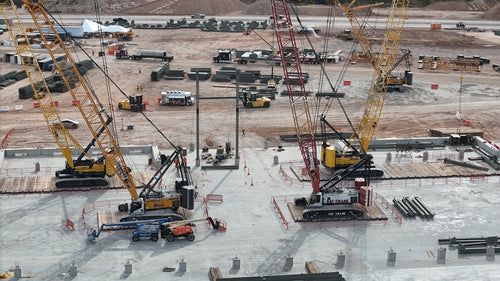
| Tesla Cybercab | First unit produced Feb 17, 2026 | Designed without steering wheel or pedals; Gigafactory Texas |
What Actually Happened at the Forum
NHTSA held the day-long event at its Washington, D.C. headquarters, with Transportation Secretary Sean P. Duffy opening the proceedings. In remarks captured on video, Duffy named Tesla alongside Waymo and Zoox as the industry's top innovators — and immediately raised the steering wheel question as one of the fundamental design issues the forum would tackle.
According to verified reporting, Tesla's presence at the event was primarily through an outdoor "AV Showcase on Automation Plaza," while Waymo, Zoox, and Aurora executives participated in a CEO-level fireside chat as part of the main agenda. That distinction matters — Tesla was visible and recognized, but the nature of its participation in the core policy discussions is worth watching as this process continues.
The forum's agenda went well beyond the steering wheel debate. Topics included real-world safety performance benchmarks, crash risk assessment methodologies, and how remote assistance should work in AV deployments. Critically, the event kicked off a 30-day public comment period for new federal AV guidance — the first substantive update to voluntary federal standards since 2017's "Automated Driving Systems 2.0."
Why the Steering Wheel Question Is Bigger Than It Sounds
Current Federal Motor Vehicle Safety Standards (FMVSS) were written with a human driver in mind. They assume a steering wheel, pedals, mirrors, and a seated operator. Deploying a vehicle without those components — like Zoox's purpose-built robotaxi or Tesla's Cybercab — technically requires a federal exemption or a rewrite of the standards themselves.
Secretary Duffy announced his approval of NHTSA's next round of proposed revisions to FMVSS that will formally account for vehicles without human drivers. That's the regulatory green light the entire AV industry has been waiting on. For Tesla specifically, it's the legal foundation the Cybercab needs to operate at scale on public roads.
NHTSA is already processing Zoox's petition to deploy up to 2,500 steering-wheel-free robotaxis. Tesla's Cybercab — the first unit of which rolled off the line at Gigafactory Texas on February 17, 2026 — is designed with the same no-steering-wheel, no-pedals architecture. The regulatory path being carved out for Zoox is the same path Tesla needs for Cybercab.
🔭 The BASENOR Take
Timeline: Public comment period closes April 10, 2026. Revised FMVSS proposals to follow.
Impact Level: 🔴 High — This is the regulatory foundation for Tesla's entire robotaxi business model.
Confidence: ⬛⬛⬛⬛⬜ — Forum confirmed, Cybercab timeline and regulatory outcome still developing.
The framing of this forum matters. The current administration is clearly moving toward enabling AV deployment rather than blocking it. Secretary Duffy's tone — naming Tesla, Waymo, and Zoox as "top innovators" and treating the steering wheel question as a design conversation rather than a safety red line — signals a regulatory environment that is actively trying to get out of the industry's way.
For Tesla owners watching the Cybercab rollout, this forum is a meaningful milestone. The vehicle exists. The first unit has been produced. The federal government is now formally in the process of rewriting the rules to accommodate it. The 30-day comment window is the next procedural step, and what comes out of it will directly shape when and where Cybercab can operate without a human backup driver.
The gap between Tesla's showcase participation and the CEO-level fireside chat is worth noting — it may simply reflect scheduling, or it may reflect where Tesla sits in the current regulatory dialogue compared to Waymo, which has been operating commercial robotaxi services for years. Either way, Tesla's presence was acknowledged at the highest level of U.S. transportation policy. That's not nothing. For our ongoing coverage of autonomous driving developments, this forum marks the clearest signal yet that federal AV regulation is moving from theory to action.
🚕 Following the Robotaxi rollout? See every operating city, launch date and announced market in our Tesla Robotaxi Tracker.
Related Gear
Gear up your Tesla with tested, custom-fit BASENOR accessories — shop Tesla accessories →
Sources & reporting notes
The links below identify the material source records used for this report.
- @SawyerMerritt on X (2026-03-10T17:41:42.000Z) — Direct source
Source links are preserved as published or accessed. See our editorial standards and corrections policy.
The BASENOR Editorial Desk covers Tesla, SpaceX, and related technology, curating reporting from primary sources — official accounts, regulatory filings, and software release data. Every article passes source-record and fact-checking review before publication. About the newsroom.
This report was curated by the BASENOR Editorial Desk from the sources listed above. Read our editorial standards or email editorial@basenor.com to report an error.