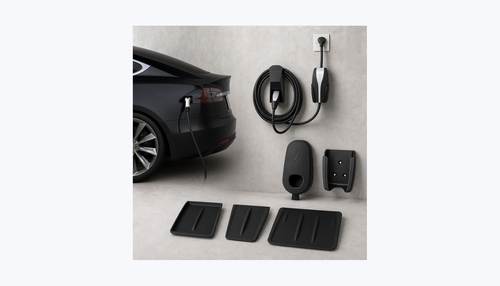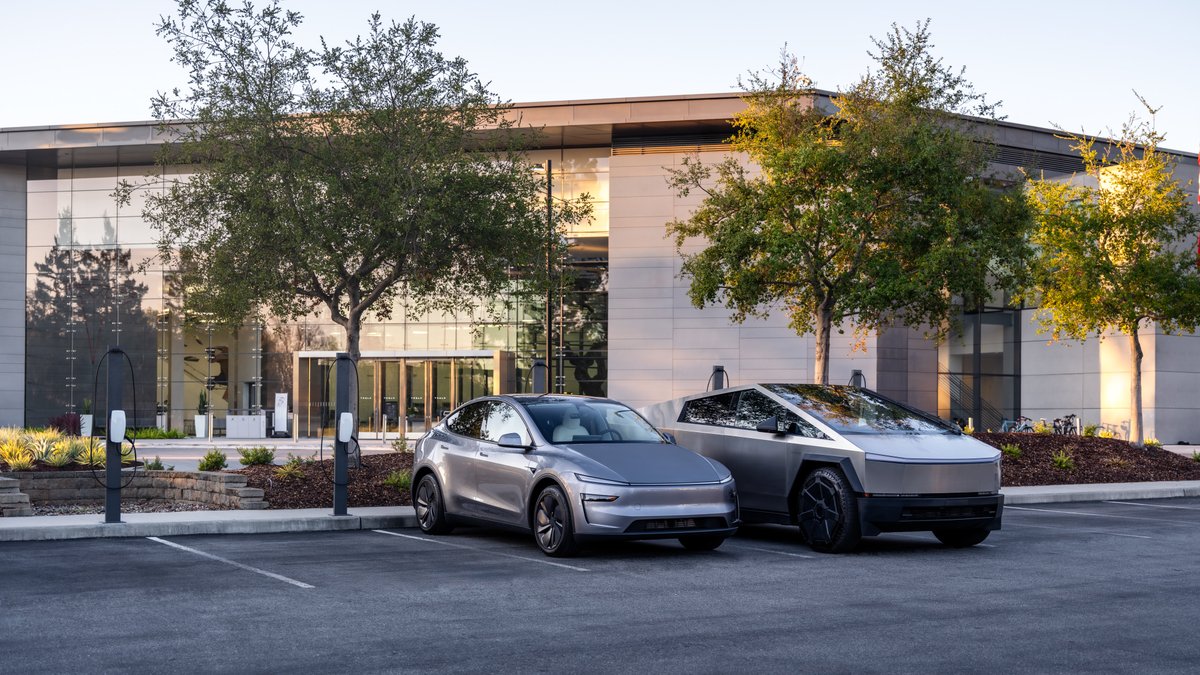
The News: Tesla installed 288 Wall Connectors across 56 business sites in the past two weeks, with major deployments at residential and hospitality locations in New Jersey and Colorado.
Why It Matters: Faster growth in destination charging directly reduces range anxiety for Tesla owners on the road and at home — and signals Tesla's aggressive push into the commercial charging market.
Source: @TeslaNewswire on X
Tesla's Wall Connector for Business Network Just Got 288 Chargers Bigger
Tesla's commercial charging footprint is growing faster than most owners realize. In just the past two weeks, the company added 288 Wall Connectors across 56 business sites — a pace that underscores how seriously Tesla is treating destination charging as a competitive advantage, not an afterthought.

📊 Key Figures
| Metric | Value | Context |
|---|---|---|
| New Sites Added | 56 | In 2 weeks |
| New Wall Connectors Installed | 288 | ~5.1 per site avg. |
| Largest Single Deployment | 24 connectors | Ridgefield Gardens, NJ |
| Second Largest Deployment | 20 connectors | ESA Premier Suites, Denver Airport |
| Max Output per Connector | 11.5 kW / 48A | ~44 mi of range/hr |
Where the Chargers Are Going — and Why It's Strategic
The two headline deployments from this latest wave tell a deliberate story about Tesla's target markets.
Ridgefield Gardens in Ridgefield, NJ received 24 Wall Connectors — the largest single deployment in this batch. Residential apartment complexes are one of the trickiest charging environments for EV owners: you can't install a home charger if you don't own your parking space. Tesla placing 24 connectors at a single residential property directly addresses the "apartment dweller problem" that has long been cited as a barrier to EV adoption.
ESA Premier Suites near Denver International Airport received 20 connectors. Extended-stay hotels are a high-value target for destination charging — guests stay for days or weeks, not just overnight, meaning vehicles sit parked for long stretches. A full charge is virtually guaranteed by morning, and the business case for the property owner is strong: Tesla owners actively seek out and book properties that appear on the Tesla app's charging map.
What Tesla's Wall Connector for Business Program Actually Offers
For owners unfamiliar with how this program works, it's worth understanding the mechanics. The Wall Connector for Business program targets apartment complexes, workplaces, hospitality venues, and fleet operators — providing Level 2 AC charging at up to 11.5 kW / 48 amps, which translates to roughly 44 miles of range added per hour for Tesla vehicles.
The Universal Wall Connector variant also supports non-Tesla EVs via a built-in J1772 adapter, which strengthens the business case for property managers who can't guarantee their tenants or guests all drive Teslas. With NACS adoption spreading across major automakers by early 2026, this infrastructure is becoming increasingly relevant to the broader EV market.
A few details worth knowing about how sites operate:
- Site owners can enable pay-per-use charging. Tesla takes a $0.03/kWh fee to cover payment processing and remote support. If pay-per-use is off, the management software is free.
- Wall Connectors connect via Wi-Fi for OTA updates, remote diagnostics, and access controls — managed through the Tesla app and Tesla Portal.
- To appear on Tesla's Find Us map and Trip Planner, sites must be commissioned by a Tesla Certified Installer and maintain reliable connectivity. That's a meaningful incentive for property owners: visibility to 500,000+ Tesla owners actively looking for charging stops.
- As of February 2026, Tesla also introduced a Tall Pedestal mounting solution — a 76-inch freestanding pedestal that supports single or dual Wall Connector mounts, removing the requirement for a wall or column. This opens up parking lots and garages that previously couldn't accommodate the hardware.
🔭 The BASENOR Take
Timeline: 288 connectors across 56 sites in 14 days — mid-March through late March 2026
Impact Level: Medium-High — meaningful for owners who rely on destination charging
Confidence: High — reported by @TeslaNewswire with specific site-level data
The raw numbers here are more significant than they first appear. 288 connectors in two weeks is not a slow rollout — that's a sustained, organized deployment operation. Tesla isn't just reacting to demand; it's actively building the commercial charging ecosystem ahead of it.
The mix of site types matters too. Residential complexes and extended-stay hotels represent the two charging use cases that DC fast charging (Superchargers) can't easily solve. You don't Supercharge your daily commute home, and you don't sit at a Supercharger for three days while traveling for work. Wall Connectors fill that gap precisely — and every new site that appears on the Tesla app map makes the ownership experience marginally better for every Tesla driver, whether they ever visit that specific location or not.
For Tesla owners who live in apartments or travel frequently for business, the practical takeaway is simple: check the Tesla app's charging map before booking your next hotel or apartment. The network is growing fast enough that options which didn't exist a month ago may be available now. And for property managers reading this — the program's economics are genuinely compelling, particularly the Trip Planner visibility that puts your property in front of Tesla owners actively planning routes.
Related Gear
Gear up your Tesla with tested, custom-fit BASENOR accessories — shop Tesla accessories →
Sources & reporting notes
The links below identify the material source records used for this report.
- @TeslaNewswire on X (2026-03-28T07:00:11.000Z) — Direct source
Source links are preserved as published or accessed. See our editorial standards and corrections policy.
The BASENOR Editorial Desk covers Tesla, SpaceX, and related technology, curating reporting from primary sources — official accounts, regulatory filings, and software release data. Every article passes source-record and fact-checking review before publication. About the newsroom.
This report was curated by the BASENOR Editorial Desk from the sources listed above. Read our editorial standards or email editorial@basenor.com to report an error.