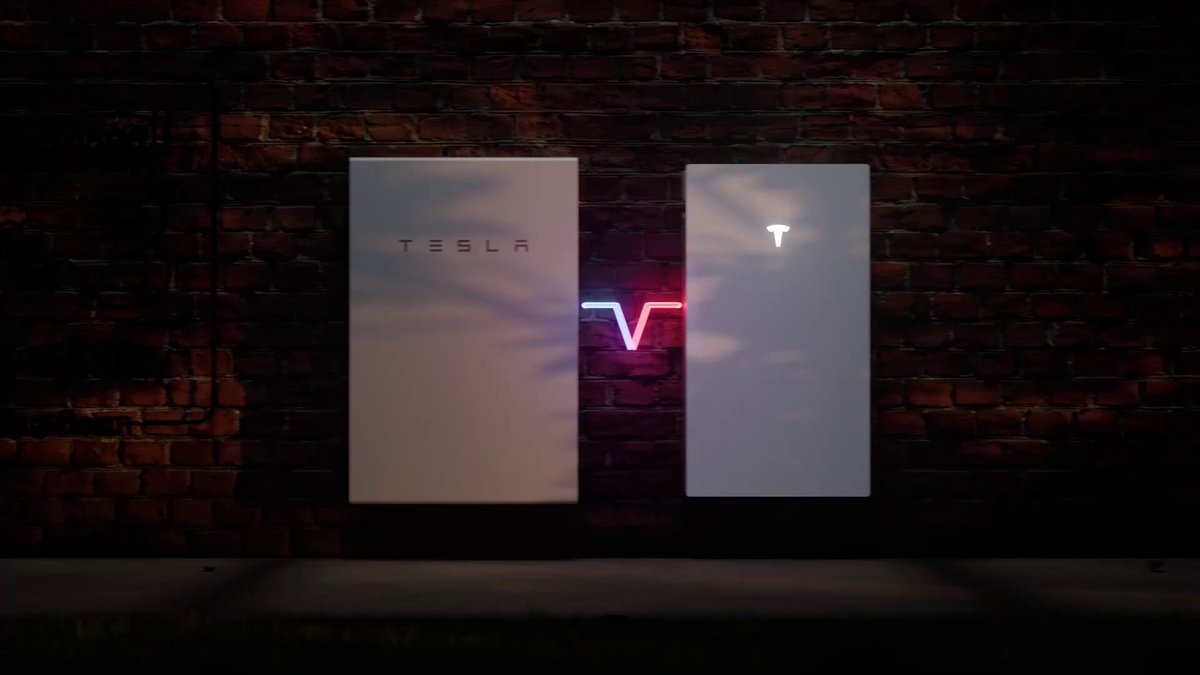
Tesla Energy has opened a long-requested door for existing home battery customers: Powerwall 2 owners in North America and Australia can now expand their storage capacity by adding a Powerwall 3 to their existing system. The announcement came via the official Tesla Energy account on X, ending years of ambiguity about whether the two generations could coexist on the same home installation.
For homeowners who bought into Powerwall 2 anywhere from 2016 onward and have watched their energy needs grow — through EV adoption, heat pumps, or simply higher grid rates — this is the upgrade path that until now required either a full swap or standing pat with the original hardware.

What Tesla Confirmed
The announcement is short but consequential. Tesla Energy stated that Powerwall 2 owners can now increase their storage capacity by adding a Powerwall 3, with the expansion capability currently available in North America and Australia. No other markets — notably the UK and continental Europe, where Powerwall 2 has a substantial installed base — were included in the initial rollout.
The distinction matters because Powerwall 2 and Powerwall 3 are architecturally different products. Powerwall 2 pairs a battery pack with a separate Tesla Gateway and typically relies on external solar inverters. Powerwall 3, launched in 2024, integrates a solar inverter directly into the unit and uses a different internal battery chemistry and communication protocol. Getting the two generations to coordinate on a single home site is not a trivial software toggle — it required Tesla to validate the mixed-generation configuration in Backup Gateway firmware and the installer commissioning tools.
Why This Matters for Existing Owners
Before this update, a Powerwall 2 owner who wanted more capacity had three imperfect options: add a second Powerwall 2 (increasingly hard to source as Tesla shifted production to Powerwall 3), replace the entire system with Powerwall 3 units (expensive and wasteful), or wait. The third option was the most common, and it created a de facto ceiling on how much value early adopters could extract from their original purchase.
The mixed-generation expansion path resolves that. It preserves the sunk cost of the original Powerwall 2 installation while allowing owners to layer on modern capacity — each Powerwall 3 unit adds 13.5 kWh of usable energy and roughly 11.5 kW of continuous power output. For households that have added an EV or two since their original install, or that have moved to time-of-use utility plans where storage arbitrage pays off, the expansion economics look considerably better than a full replacement.
The Rollout Geography
North America and Australia are Tesla Energy's two most mature residential markets, which explains the launch order. Australia in particular has one of the highest Powerwall penetrations per capita globally, driven by aggressive state-level battery rebates and some of the world's highest residential electricity prices. Many Australian Powerwall 2 systems are now five to seven years old — squarely in the window where owners are evaluating whether to add capacity or replace.
North America covers both US and Canadian installations. Tesla did not specify whether the expansion capability requires any particular Powerwall 2 firmware revision or Gateway version, though installer-side commissioning updates are the more likely gating factor than end-customer hardware.
Open Questions
Tesla's announcement left several practical details unaddressed. The most immediate: pricing and installation cost for the mixed-generation expansion versus a standalone Powerwall 3 installation on a new site. Because the existing Gateway and interconnection are already in place, labor should be lower — but Tesla-certified installers set final pricing, and early-market pricing tends to reflect scarcity rather than steady-state costs.
The second question is how the two generations coordinate under load. Powerwall 3's higher continuous power rating means it can handle larger loads than Powerwall 2 on its own, and Tesla's energy management software will need to decide when to draw from which unit. Owners should expect that the newer Powerwall 3 will typically handle high-power events (like an EV charging session or an HVAC startup) while the Powerwall 2 handles steadier baseline draws.
The third question is Europe. Tesla has not committed to a timeline for extending mixed-generation expansion to UK, German, or other European Powerwall 2 fleets. Given that European Powerwall 3 rollout itself is still ramping, a 2026 announcement for those markets is plausible but not confirmed.
What to Watch Next
For existing Powerwall 2 owners in the two eligible regions, the practical next step is to contact a Tesla-certified installer for a site assessment and a quote — Tesla's own website should reflect the expansion option in the ordering flow shortly. For everyone else, the signal to watch is whether Tesla extends this capability to Europe and other secondary markets, and whether it eventually opens a similar path for third-generation upgrades to any Powerwall 4 that lands later in the decade. The precedent set here — treating the home battery as an expandable platform rather than a fixed appliance — is arguably more important than the specific product news.
Related Gear
Gear up your Tesla with tested, custom-fit BASENOR accessories — shop Tesla accessories →
Sources & reporting notes
The links below identify the material source records used for this report.
- @teslaenergy on X (2026-09-23T00:40:58.000Z) — Direct source
Source links are preserved as published or accessed. See our editorial standards and corrections policy.
The BASENOR Editorial Desk covers Tesla, SpaceX, and related technology, curating reporting from primary sources — official accounts, regulatory filings, and software release data. Every article passes source-record and fact-checking review before publication. About the newsroom.
This report was curated by the BASENOR Editorial Desk from the sources listed above. Read our editorial standards or email editorial@basenor.com to report an error.