
Tesla Energy confirmed on November 24 that it is actively testing Powershare Home Backup in Texas — a feature that lets eligible Tesla vehicles power your home during a grid outage. It's a significant expansion of what a Tesla can do beyond transportation, and owners are understandably full of questions about compatibility, requirements, and when it might reach them.

What exactly is Powershare Home Backup?
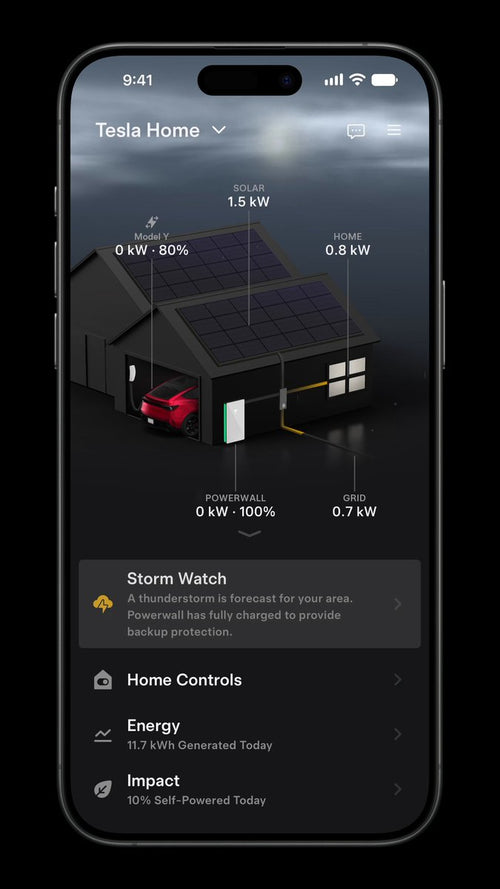
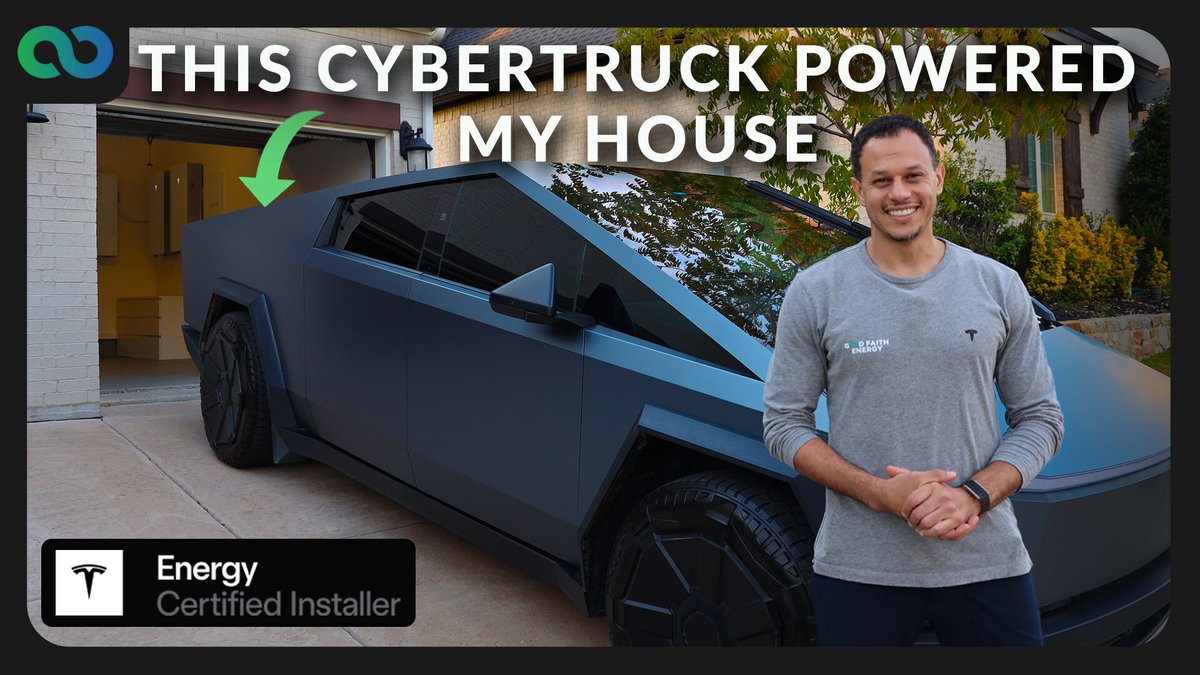
Powershare Home Backup is Tesla's vehicle-to-home (V2H) energy feature. When the grid goes down, your Tesla vehicle can discharge its battery pack to keep your home running — lights, appliances, critical systems — rather than sitting idle in the garage. Think of it as a Powerwall on wheels. Tesla Energy is currently testing the feature in Texas, a state with a well-documented history of grid instability, which makes it a logical proving ground.
Which Tesla vehicles are currently supported?
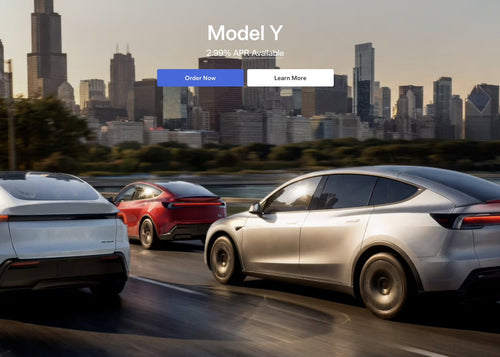
All Cybertruck models currently support Powershare Home Backup. As of October 6, 2026, Tesla also announced that new Model 3 and Model Y vehicles are eligible when paired with a Powerwall 3. Specifically, Model 3 and Model Y vehicles ordered in the U.S. and Puerto Rico on or after October 1, 2026, qualify. Some earlier Model 3 and Model Y builds may also be eligible — Tesla's guidance is the definitive check for your specific VIN.
Do I need a Powerwall to use this?
For Cybertruck owners, Powershare has operated as a standalone feature with a compatible home transfer switch or gateway. For Model 3 and Model Y, Tesla's current requirement is pairing with a Powerwall 3. The Powerwall 3 acts as the system's brain — managing the handoff between grid power, solar (if you have it), and the vehicle's battery. If you don't have a Powerwall 3, Model 3 and Model Y Powershare eligibility does not currently apply.
Why is Tesla testing this in Texas specifically?
Texas runs on its own grid — ERCOT — which has faced high-profile failures during extreme weather events. That makes Texas owners acutely aware of backup power value, and it gives Tesla a real-world stress environment to validate Powershare's reliability. It's also a large Tesla market with a high concentration of Cybertruck and newer Model 3/Y owners, giving the test meaningful sample size. The state's deregulated energy market may also offer flexibility for the kind of grid-interaction testing Powershare requires.
How much backup power can a Tesla vehicle actually provide?
This depends on the vehicle's battery size and your home's consumption. A Cybertruck with its large pack can power an average home for multiple days at modest usage. Model 3 and Model Y have smaller packs, so runtime is shorter — but for outages measured in hours rather than days, either can cover essential loads. The system is designed to prioritize keeping your home running while preserving enough charge to drive if needed, though the exact reserve thresholds are configurable.
When will Powershare Home Backup be available beyond Texas?
Tesla hasn't announced a specific broader rollout timeline. The Texas testing phase is the current public milestone. Given that Cybertruck Powershare has been available in some form for a while and Model 3/Y eligibility was announced in October 2026, a wider geographic expansion seems like a natural next step — but Tesla hasn't committed to dates. Owners outside Texas should watch Tesla Energy's channels for updates.
Texas is a meaningful test bed, and the fact that Tesla Energy is publicly sharing footage of the testing suggests confidence in the feature's direction. For owners in outage-prone regions, Powershare Home Backup could reframe how they think about their vehicle's value — not just miles per charge, but hours of home power when the grid fails.
Related coverage
Related Gear
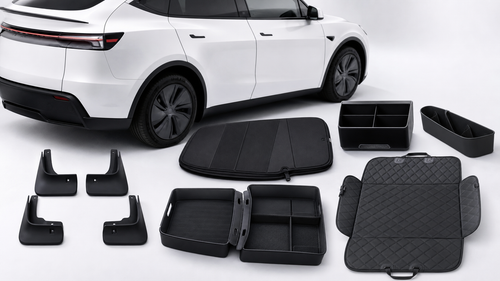
Gear up your Model Y with tested, custom-fit BASENOR accessories — shop Model Y accessories →
Sources & reporting notes
The links below identify the material source records used for this report.
- @teslaenergy on X (2026-11-24T17:42:02.000Z) — Direct source
Source links are preserved as published or accessed. See our editorial standards and corrections policy.
The BASENOR Editorial Desk covers Tesla, SpaceX, and related technology, curating reporting from primary sources — official accounts, regulatory filings, and software release data. Every article passes source-record and fact-checking review before publication. About the newsroom.
This report was curated by the BASENOR Editorial Desk from the sources listed above. Read our editorial standards or email editorial@basenor.com to report an error.