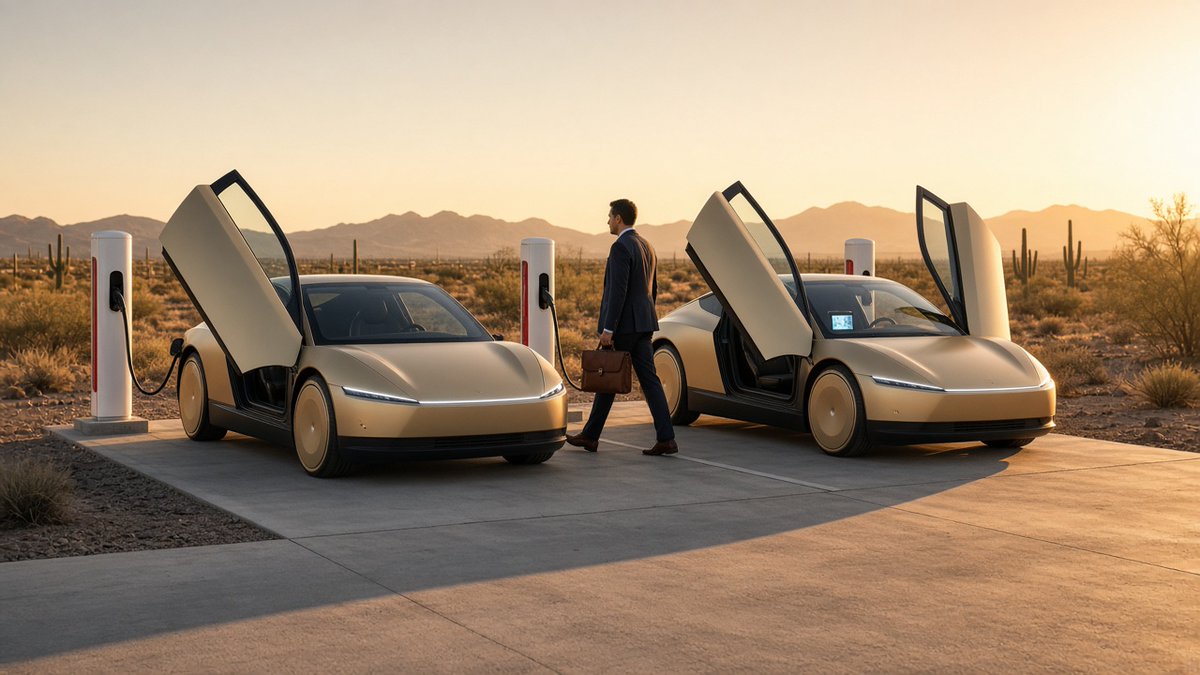
Tesla's Robotaxi service isn't just rethinking how you hail a ride — it's rethinking what happens when the car needs energy. A concept circulating among Tesla observers describes a future where charging stops are invisible to the passenger: arrive at a Supercharger, step into a freshly charged vehicle, and keep moving. Here's what we know about how that vision is supposed to work.

1. The Core Promise: Zero Wait Time at the Charger
The concept, articulated by Whole Mars Catalog, is elegantly simple: when a Robotaxi needs to charge, it routes you to a Supercharger location where a second, fully charged vehicle is already staged and waiting. You transfer to that car and continue your trip without interruption. The depleted vehicle stays behind to charge for the next handoff. In theory, charging downtime becomes entirely invisible to the passenger — it's a logistics problem the fleet absorbs, not the rider.
2. Today's Reality Is More Manual Than the Vision Suggests
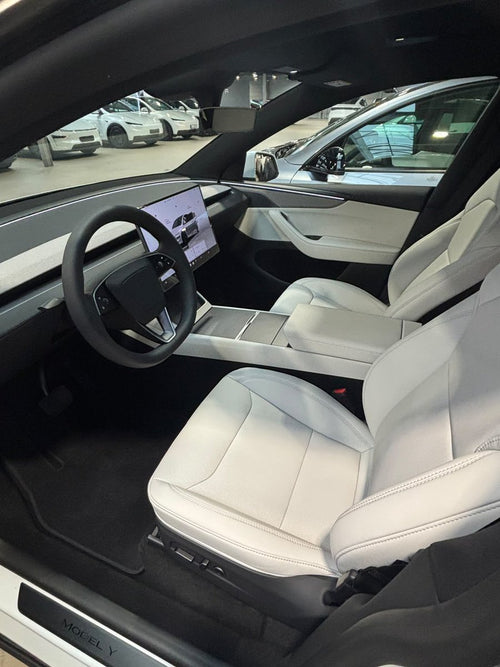
As of September 2026, Tesla's driverless fleet — a mix of Model Ys and Cybercabs operating in limited markets — still relies on human operators to physically plug vehicles into existing public Superchargers, primarily overnight. This is a deliberate interim approach while dedicated fleet infrastructure is built out. The seamless swap described above requires a critical mass of vehicles and purpose-built charging sites that don't yet exist at scale.
3. Tesla Is Building Fleet-Specific Supercharger Sites
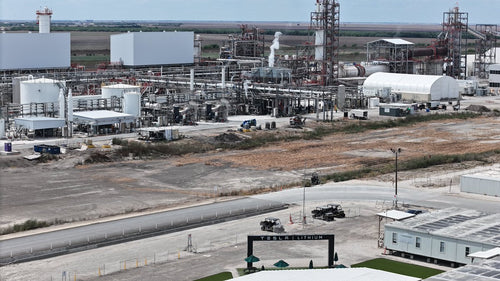
According to reporting from thenextweb.com, Tesla is developing Supercharger stations purpose-built for its robotaxi fleet rather than relying solely on the public network. The site selection criteria are telling: locations are chosen for back-to-back charging sessions, low-cost real estate close to demand areas, and minimal capital expenditure. These aren't the highway corridor stations designed for road-tripping Model 3 owners — they're high-turnover depots optimized for fleet throughput.
4. Wireless Charging Is the Long-Term Infrastructure Play
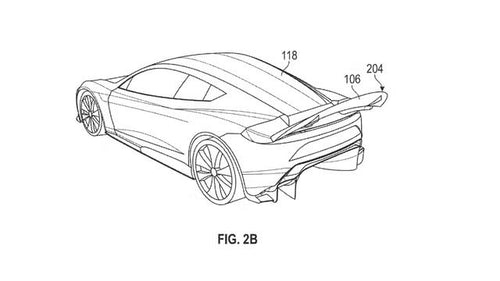
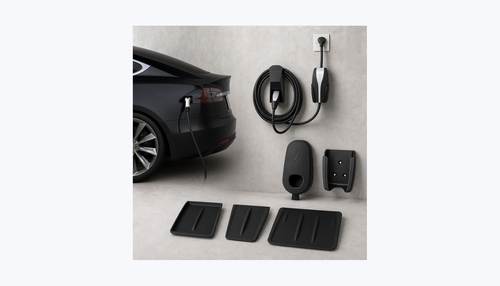
The Cybercab is engineered to support inductive (wireless) charging — no cable, no human operator required. Tesla demonstrated the technology in 2024 at up to 25 kW against the Cybercab's 48 kWh battery. At that rate, a full charge takes roughly two hours, which fits neatly into an overnight depot cycle. Wireless charging also enables fully autonomous charging loops: a Cybercab can pull into a designated pad, charge without any human intervention, and re-enter the fleet — exactly the kind of hands-off operation the seamless swap model depends on at scale.
The gap between the vision and today's manual plug-in reality is real, but the infrastructure logic is coherent. Fleet-specific stations, high vehicle density, and wireless charging are the three pieces that need to come together before a passenger genuinely never thinks about charging again. How quickly Tesla can stack those pieces will determine whether the Robotaxi charging promise stays a concept or becomes a routine part of how people move around cities. For more on the autonomous driving side of this story, see our FSD and Robotaxi coverage.
🚕 Following the Robotaxi rollout? See every operating city, launch date and announced market in our Tesla Robotaxi Tracker.
Related Gear
Gear up your Tesla with tested, custom-fit BASENOR accessories — shop Tesla accessories →
Sources & reporting notes
The links below identify the material source records used for this report.
- @wholemars on X (2026-09-26T23:21:28.000Z) — Direct source
Source links are preserved as published or accessed. See our editorial standards and corrections policy.
The BASENOR Editorial Desk covers Tesla, SpaceX, and related technology, curating reporting from primary sources — official accounts, regulatory filings, and software release data. Every article passes source-record and fact-checking review before publication. About the newsroom.
This report was curated by the BASENOR Editorial Desk from the sources listed above. Read our editorial standards or email editorial@basenor.com to report an error.