📌 UPDATE — April 5, 2026
Tesla's Robotaxi testing footprint in Colorado has expanded beyond the initial Denver sighting — a hardware-equipped Model Y has now been spotted in Aurora as well. The Aurora sighting appears to be the first since Tesla posted Robotaxi-specific job listings for the region, strongly suggesting active staffing and operational ramp-up are underway. Both vehicles carry the now-familiar hardware suite: rear camera washers, side camera washers, and manufacturer license plates out of Texas. The back-to-back sightings across two Denver metro cities in a single day mark a notable step up in Colorado testing density.
@teslascope · Apr 5, 2026
"Robotaxi is showing up in more locations, now in Aurora, Colorado! Tesla was recently hiring for Robotaxi roles in the region, so this appears to be the first spotting since those job listings."
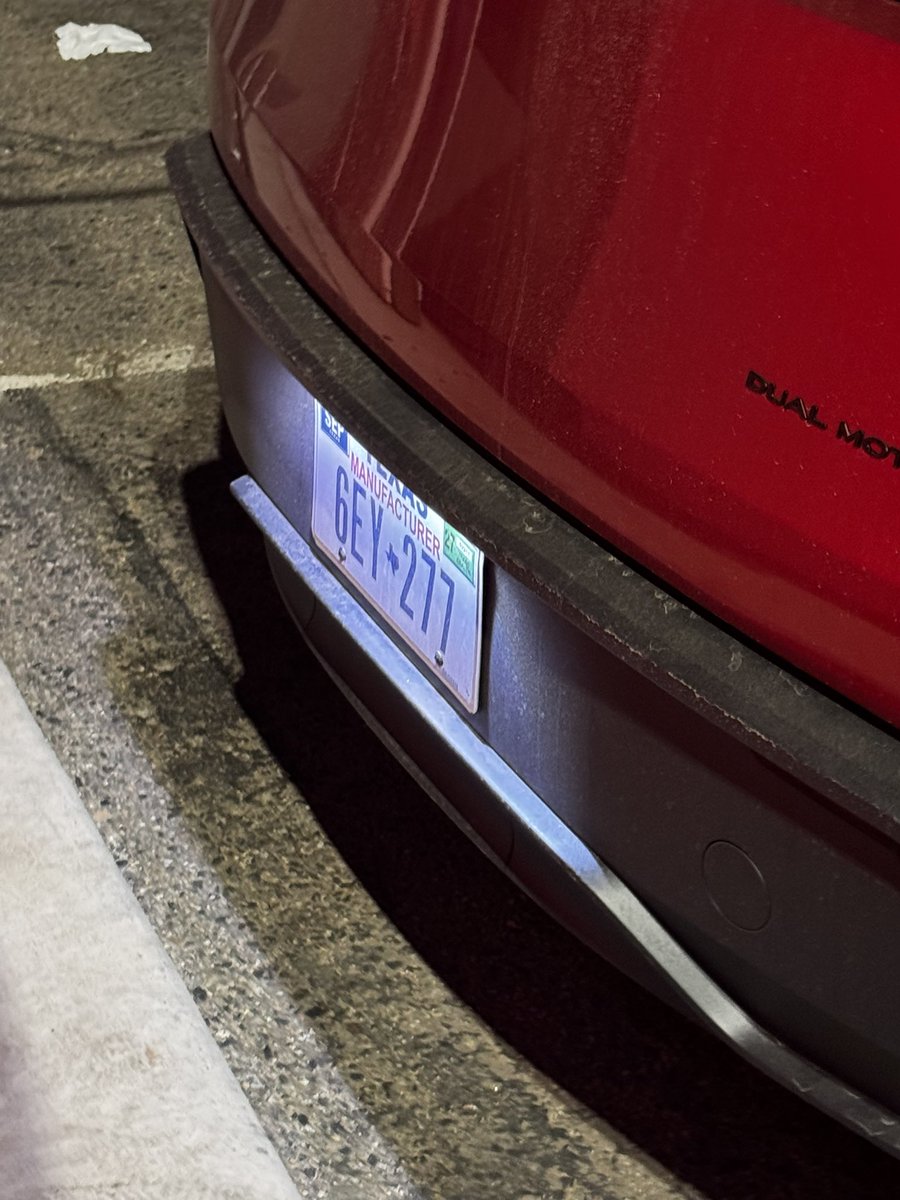
The News: A Tesla Model Y equipped with Robotaxi-specific rear and side camera washers — hardware not found on consumer vehicles — has been spotted near Denver, Colorado, carrying a Texas manufacturer license plate.
Why It Matters: The sighting is a strong signal that Tesla is actively pre-deployment testing in Colorado, a state it has already flagged for Robotaxi expansion. It also confirms the camera washer hardware is traveling beyond Texas.
Source: @SawyerMerritt on X
Tesla Robotaxi Hardware Spotted Near Denver — Colorado Testing Is Underway
A Tesla Model Y carrying unmistakable Robotaxi-spec hardware has turned up near Denver, Colorado — and the details of the sighting tell a clear story about where Tesla's autonomous ride-hailing service is headed next.
The vehicle, photographed and shared by Tesla news tracker @SawyerMerritt, features both a rear bumper camera washer and side repeater camera washers — specialized hardware that keeps optical sensors clean and is exclusive to Tesla's commercial Robotaxi fleet. It also bears a Texas manufacturer license plate, directly linking it to Tesla's Austin-based Robotaxi operation.

📊 Key Figures
| Milestone | Date | Detail |
|---|---|---|
| Austin pilot launch | June 2025 | Limited employee-only Robotaxi program begins |
| Public driverless rides | January 2026 | Camera washer-equipped Model Ys open to public in Austin |
| Texas ride-hail permit | August 2025 | Valid through August 6, 2026; covers autonomous vehicles statewide |
| Colorado job postings | Oct–Nov 2025 | Vehicle Operator roles listed in Aurora, CO — 7th expansion state |
| Cybercab production start | April 2026 | Dedicated driverless vehicle (no wheel/pedals) enters production |
| Colorado sighting | April 5, 2026 | Robotaxi-spec Model Y with TX plate spotted near Denver |
What Makes This Vehicle Different From Your Model Y
The hardware on this vehicle isn't cosmetic — it's functional infrastructure for a vision-only autonomous system operating in the real world. Consumer Model Y vehicles do not have camera washers. Here's why Tesla added them to the Robotaxi fleet:
- Rear bumper camera washer: Keeps the rear-facing camera clear of road grime, mud, and rain — critical for a vehicle that may operate continuously for hours without a human checking sensors.
- Side repeater camera washers: The side cameras handle lane detection and intersection awareness. Contamination here directly degrades FSD's situational awareness.
- Texas manufacturer plate: These plates are issued to automakers for pre-commercial testing and fleet operations. This vehicle originated from Tesla's Texas operation — it didn't just happen to be near Denver.
Together, these details confirm this isn't a consumer vehicle on a road trip. It's a purpose-configured test unit being evaluated in Colorado's climate and road conditions ahead of a commercial launch.
🔭 The BASENOR Take
Timeline: Tesla posted Vehicle Operator job listings in Aurora, Colorado as early as October 2025. This sighting, roughly six months later, fits a pattern: job listings → hardware testing → permit application → soft launch. Colorado appears to be in the hardware testing phase right now.
Impact Level: Medium-High. This isn't a random prototype sighting — it's a Robotaxi-configured vehicle actively being tested in a new geography. The Texas plate is a direct operational link to the Austin fleet.
Confidence: High that testing is underway. Moderate on launch timing — no permit or launch date for Colorado has been announced publicly.
The timing also intersects with a significant hardware transition. Cybercab production — Tesla's purpose-built, steering-wheel-free autonomous vehicle — is scheduled to begin in April 2026. That means the Model Y Robotaxi fleet is likely serving as the near-term scaling vehicle while Cybercab ramps. Testing in new markets now with Model Y hardware makes operational sense: Tesla can validate FSD performance in local conditions before Cybercab units are ready to deploy at scale.
Colorado's geography also presents a meaningful test. Denver's altitude, variable weather (snow, ice, intense sun), and mix of urban grid streets and suburban sprawl are materially different from Austin. If Tesla's vision-only system can handle Denver reliably, it builds the case for broader national expansion.
📰 Deep Dive
What this sighting really represents is Tesla's operational playbook becoming visible. The company doesn't announce new Robotaxi markets until they're ready to launch — but the pre-launch activity leaves traces. Job listings, permit filings, and now hardware test vehicles on public roads are the breadcrumbs. Colorado residents near the Denver metro area may be closer to having access to a Tesla Robotaxi than any official announcement has suggested.
The camera washer hardware itself is worth watching as a signal. These washers are not part of any current consumer vehicle configuration, but their presence on a Robotaxi fleet vehicle underscores how differently Tesla is engineering commercial autonomous vehicles versus personal-use cars. For a driverless system that cannot pull over and ask a passenger to wipe a lens, automated sensor maintenance isn't a luxury — it's a safety requirement. The fact that this hardware is now traveling to test markets suggests Tesla considers it production-ready and essential to any new deployment.
For Colorado Tesla owners and potential Robotaxi riders, the practical implication is straightforward: keep an eye on permit filings with the Colorado Public Utilities Commission and watch for additional sightings. Based on the Austin precedent — where job listings preceded a public launch by roughly seven to eight months — a Colorado launch could be on the horizon before the end of 2026. Follow our FSD coverage for updates as this develops.