📌 UPDATE — March 23, 2026
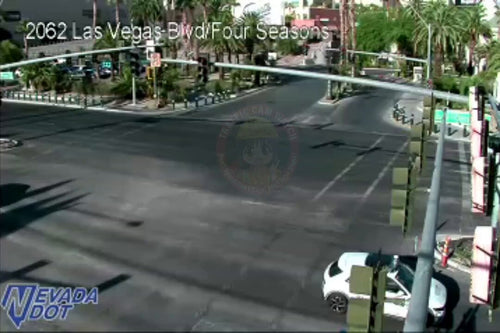
Tesla's Robotaxi fleet activity is reportedly surging as of early Monday morning, with observers noting a sharp uptick in autonomous vehicle deployments over just the past few hours. The rapid acceleration has drawn comparisons to the classic "slowly, then all at once" pattern — suggesting Tesla may be moving into a more aggressive rollout phase well ahead of its stated H1 2026 timeline. This follows the recent Orlando sightings and points to a broader, coordinated expansion rather than isolated regional tests. It remains unclear which specific markets are seeing the surge, but the pace of activity is drawing significant attention from the Tesla community.

30-Second Brief
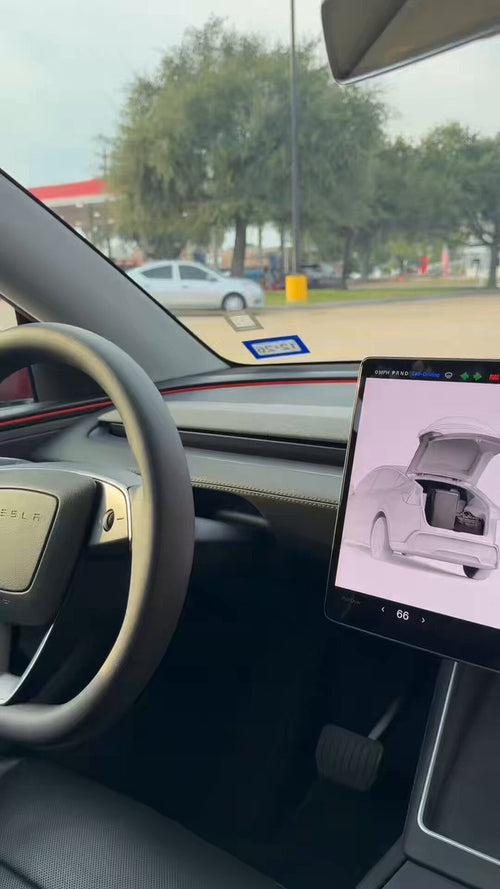
The News: Multiple Tesla Model Y vehicles configured for Robotaxi service — featuring rear camera washers and Texas manufacturer license plates — have been spotted at a Tesla store in Orlando, Florida, confirming active pre-launch testing in the city.
Why It Matters: Orlando is one of Tesla's confirmed first-half 2026 Robotaxi expansion markets. These sightings signal that deployment is moving from announcement to active ground-level preparation.
Source: @SawyerMerritt on X
Tesla Robotaxi Testing Expands to Orlando, Florida — Fleet Hardware Spotted at Lee Vista Store
Tesla's Robotaxi ambitions just got a lot more real for Florida residents. Multiple new Model Y vehicles outfitted with rear camera washers and Texas manufacturer license plates — hardware signatures exclusive to the Austin Robotaxi fleet — have been spotted at the Tesla store on Lee Vista Blvd in Orlando. The sighting, reported by Sawyer Merritt, is the clearest on-the-ground evidence yet that Tesla is actively staging its Robotaxi operation in one of its confirmed H1 2026 expansion markets.

📊 Key Figures
| Metric | Value | Context |
|---|---|---|
| Paid Robotaxi Miles (since June 2025 launch) | ~700,000 | Reported at Q4 2025 earnings |
| Confirmed H1 2026 Expansion Cities | 6+ | Orlando, Tampa, Las Vegas, Phoenix, Dallas, Houston |
| Current Active Markets | 2 | SF Bay Area (supervised) + Austin (unsupervised transition) |
| Musk's Autonomous Fleet Projection (end of 2026) | 25–50% of U.S. | Pending regulatory approval |
What the Hardware Tells Us
The two physical details in Sawyer Merritt's report are more telling than they might appear at first glance.
Rear camera washers are not a feature you'll find on any consumer Model Y. They're a fleet-specific addition designed to keep the rear-facing cameras clean during autonomous operation — critical for a vehicle that has no driver to manually address obstructed sensors. Their presence on these Orlando vehicles confirms these aren't standard inventory units repurposed for testing. They were built for Robotaxi duty.
Texas manufacturer license plates indicate the vehicles were registered through Tesla's commercial fleet process in Texas — the same registration pathway used for the Austin Robotaxi fleet. This is an operational fingerprint, not a coincidence. Tesla is running these vehicles through the same logistics pipeline that powers its existing autonomous service.
Together, these two markers make a clear statement: Tesla didn't ship generic Model Ys to Orlando to run supervised FSD laps. These are purpose-configured Robotaxi units being staged for service.
Orlando in the Robotaxi Roadmap
Tesla officially named Orlando as a target market during its Q4 2025 earnings call, alongside Tampa, Las Vegas, Phoenix, Dallas, and Houston — all slated for H1 2026. Miami was previously announced as a Florida market as well, making the state a significant concentration of near-term Robotaxi activity.
Florida's regulatory environment is a meaningful tailwind here. State law already permits fully driverless vehicles on public roads, provided they meet federal safety standards. That's a distinct advantage over states where Tesla would need to navigate more restrictive frameworks before launching without a safety driver. Whether Tesla's Orlando launch will be supervised or unsupervised from day one hasn't been confirmed, but the legal runway exists for the latter.
For context on where Tesla currently stands: the SF Bay Area service operates with onboard safety drivers, while Austin is actively transitioning toward fully unsupervised operation. Orlando's launch configuration will likely depend on how that Austin transition progresses over the coming months.
🔭 The BASENOR Take
Timeline: H1 2026 (confirmed by Tesla at Q4 2025 earnings)
Impact Level: 🟠 High — first confirmed on-the-ground Robotaxi activity outside Texas and California
Confidence: 🟢 High — hardware-verified sighting aligns with official Tesla expansion announcement
Analysis: The speed of this staging is notable. Tesla announced Orlando at earnings and within weeks, purpose-built Robotaxi units are already on location. That's not exploratory — that's pre-launch logistics. The Lee Vista Blvd store location also matters: it's a high-traffic Tesla service and delivery hub, which suggests Tesla is setting up an operational base rather than just running drive-arounds. Orlando-area Tesla owners should expect to see these vehicles on local roads well before summer 2026.
📰 Deep Dive
The Robotaxi expansion playbook Tesla is running here is deliberate. Austin served as the proving ground for unsupervised operation — a market where Tesla could iterate quickly, accumulate paid miles (nearly 700,000 as of the Q4 earnings report), and build the operational infrastructure needed to scale. Orlando appears to be the first city where Tesla is applying those lessons at speed, with vehicles arriving before the launch is even formally announced at the local level.
What's particularly significant is the Florida market's strategic value beyond just one city. With Orlando, Tampa, and Miami all targeted, Tesla is effectively building a statewide Robotaxi footprint in a high-tourism, high-ridership environment. Orlando's theme park corridors, airport routes, and convention traffic represent exactly the kind of predictable, high-demand use cases that make autonomous rideshare economics work. These aren't random geography choices.
The Cybercab — Tesla's purpose-built autonomous vehicle without a steering wheel or pedals — is expected to begin volume production in 2026 and will eventually anchor the Robotaxi fleet. But the Model Y units being staged in Orlando right now represent the bridge: a proven, already-manufactured platform that can get the service running while Cybercab production ramps. For our FSD coverage, this moment marks a genuine inflection point — Robotaxi is no longer a future promise being tested in two cities. It's an active rollout.
Florida Tesla owners watching this closely should note that the Lee Vista Blvd sighting is almost certainly not the only activity happening in the region. Pre-launch staging typically involves route mapping, infrastructure checks, and coordination with local operations teams — all of which happens quietly before any public announcement. The vehicles being visible at a Tesla store suggests Tesla isn't hiding the ball here. Launch is close.
🚕 Following the Robotaxi rollout? See every operating city, launch date and announced market in our Tesla Robotaxi Tracker.
Related Gear
Gear up your Model Y with tested, custom-fit BASENOR accessories — shop Model Y accessories →
Sources & reporting notes
The links below identify the material source records used for this report.
- @SawyerMerritt on X (2026-03-19T02:00:57.000Z) — Direct source
- @TeslaNewswire on X (2026-03-23T06:06:00.000Z) — Direct source
Source links are preserved as published or accessed. See our editorial standards and corrections policy.
The BASENOR Editorial Desk covers Tesla, SpaceX, and related technology, curating reporting from primary sources — official accounts, regulatory filings, and software release data. Every article passes source-record and fact-checking review before publication. About the newsroom.
This report was curated by the BASENOR Editorial Desk from the sources listed above. Read our editorial standards or email editorial@basenor.com to report an error.