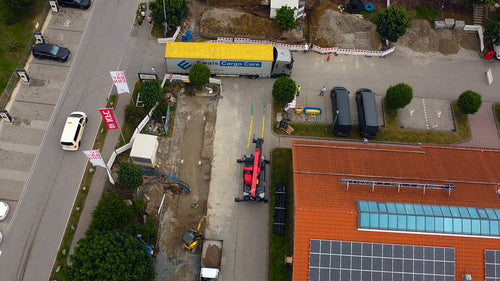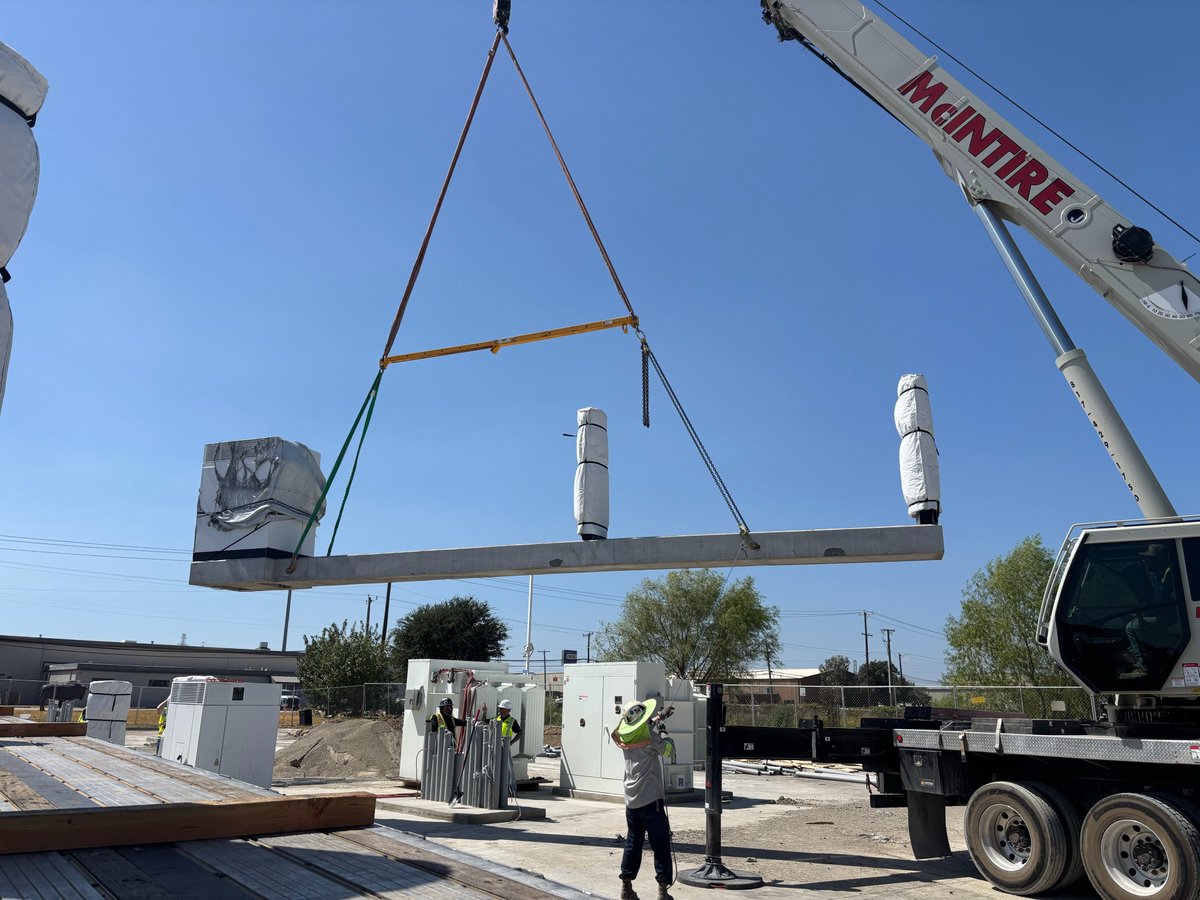
Tesla Charging confirmed on September 15 that the first pre-assembled V4 Megachargers are now deployed and ready to support the Tesla Semi production ramp. Each unit is a V4 cabinet with two posts capable of delivering up to 1.2 MW per post — and the pre-assembled format is a deliberate engineering choice designed to make future rollouts dramatically faster.

V4 Megachargers, Explained in 5 Points
1. Pre-assembled means faster deployment at scale
The headline here isn't just the hardware — it's the format. Pre-assembled units arrive at a site largely ready to install, cutting the on-site construction time that has historically been the bottleneck for charging infrastructure expansion. Sawyer Merritt noted the implication directly: this approach will speed up Megacharger deployments considerably. With Tesla targeting "many thousands" of Semis by end of 2026 and a factory designed for 50,000 units annually at full capacity, the charging network has to scale in parallel — and pre-assembly is how Tesla intends to do it.

2. 1.2 MW per post is the real ceiling — and it's Semi-specific
Each post on these V4 cabinets can deliver up to 1.2 MW (1,200 kW) — a number that only makes sense if you're charging a Tesla Semi. For context, the same V4 hardware tops out at 500 kW for passenger vehicles like the Cybertruck. The Semi's high-voltage architecture, which supports up to 1,000V, is what unlocks that full 1.2 MW figure. This isn't a spec that trickles down to Model Y owners; it's purpose-built for commercial trucking.
3. One cabinet powers eight posts — double the density of V3
A single V4 cabinet powers eight charging posts, compared to four posts per cabinet on the V3 generation. That doubled density per cabinet means a smaller physical footprint per stall and less electrical infrastructure complexity per site. According to background research, the deployment cost for a V4 Megacharger stall is estimated at under $40,000 — a figure that becomes more significant when you consider how many locations Tesla needs to build out to serve a commercial fleet at scale.
4. The Semi production ramp is already underway — the chargers are catching up
Volume production of the Tesla Semi officially began on April 29, 2026, at a dedicated factory adjacent to Gigafactory Nevada. The charging infrastructure has been trailing the production timeline, which is exactly why this deployment announcement carries weight. As of February 2026, Tesla had added 64 Megacharger locations to its network map marked as "coming soon." A station with six 1.2 MW stalls came online in Vernon, California, in August 2026. The pre-assembled V4 units are the mechanism to close that gap between trucks on the road and chargers in the ground.
5. The network is expanding beyond Tesla's own sites
Tesla isn't building this infrastructure alone. A partnership with Pilot Travel Centers, announced in January 2026, is placing Tesla Semi chargers at select Pilot locations across California, Georgia, Nevada, New Mexico, and Texas — with 4 to 8 Megacharger stalls per site. The first stations from that partnership were expected by summer 2026. Looking further out, Tesla has also outlined plans for over 100 MCS-equipped charging stalls across Europe ahead of Semi deliveries there, which are expected to begin in 2027. The pre-assembled format is the common thread that makes all of these timelines achievable.
The deployment of pre-assembled V4 Megachargers is less a single milestone and more a signal about how Tesla plans to build charging capacity going forward — faster, denser, and timed to match a truck factory that is already running. How quickly those 64 "coming soon" locations convert to operational sites will be the real measure of whether this approach delivers on its promise.
Related Gear
Gear up your Tesla with tested, custom-fit BASENOR accessories — shop Tesla accessories →
Sources & reporting notes
The links below identify the material source records used for this report.
- @TeslaCharging on X (2026-09-15T22:32:58.000Z) — Direct source
- @SawyerMerritt on X (2026-09-15T22:34:15.000Z) — Direct source
Source links are preserved as published or accessed. See our editorial standards and corrections policy.
The BASENOR Editorial Desk covers Tesla, SpaceX, and related technology, curating reporting from primary sources — official accounts, regulatory filings, and software release data. Every article passes source-record and fact-checking review before publication. About the newsroom.
This report was curated by the BASENOR Editorial Desk from the sources listed above. Read our editorial standards or email editorial@basenor.com to report an error.