Teslascope has detected a new feature in Tesla's latest software: Blind Spot Warning While Parked. The system is designed to prevent door-opening incidents by alerting occupants when a cyclist, pedestrian, or vehicle is approaching from behind — before the door swings open. Here's everything owners need to know about how it works and who's getting it.

What exactly does Blind Spot Warning While Parked do?
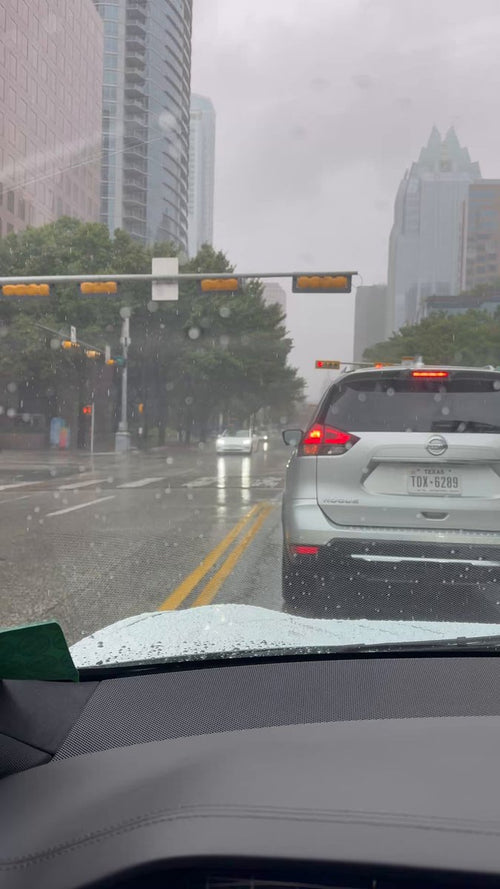
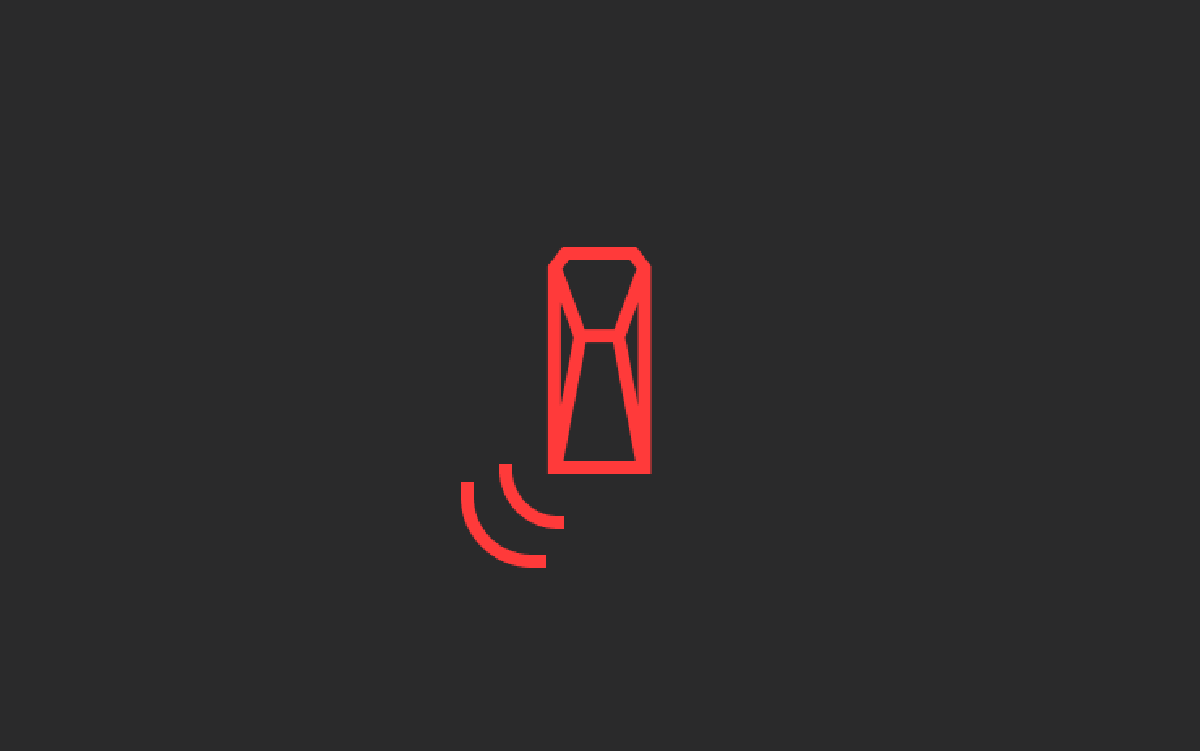
When a door is about to be opened and Tesla's camera system detects an approaching object — a bicycle is the classic example — the blind spot indicator light flashes and a chime sounds. Critically, the door's initial opening is physically prevented. If you still need to exit, pressing the door button a second time after a brief pause overrides the warning. Think of it as a last line of defense against the kind of low-speed collision that doesn't show up in crash stats but causes real injuries every day.
How does the system detect approaching objects?
The feature runs on Tesla's existing camera-based sensor suite rather than dedicated proximity hardware. According to previous reports, it operates in a low-power monitoring state that integrates with Sentry Mode logic, which is why battery drain is kept minimal. No additional hardware is required on vehicles already equipped with the right camera configuration.
Which vehicles currently have this feature?
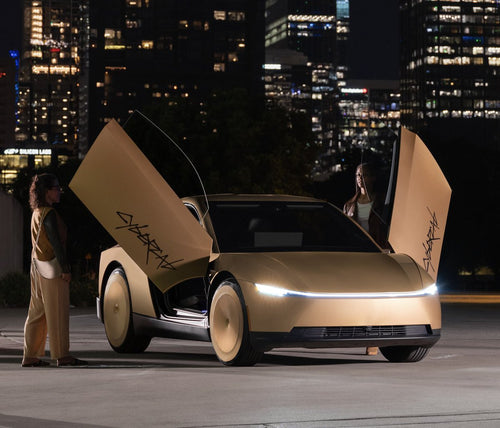
The rollout history is worth understanding. According to teslahubs.com and teslaoracle.com, the feature first appeared on the new Model 3 in China with the 2024.26.9 Summer Update, then expanded globally with the 2024.44.3 Holiday Update. Cybertruck received it as a confirmed exclusive with the 2026.8 update around March 31, 2026, and subsequent Cybertruck updates (2026.2.9.6 and 2026.2.9.10) continued refining it. As of the 2026.14.6 update released May 12, 2026, Blind Spot Warning Accent Lights are available for HW4-equipped Model 3 and Model Y vehicles. The latest Teslascope detection suggests the feature continues expanding to additional configurations.
Can owners customize the sensitivity or disable it in certain locations?
Yes — at least on Cybertruck running 2026.8 and later. Owners can adjust the feature's sensitivity and configure geofenced "Safe Locations" where the warning is automatically suppressed. A home garage is the obvious use case: you don't need the system alerting you every time you open the door in your own driveway. Whether this level of customization extends to Model 3 and Model Y in the same update wave is not yet confirmed.
What about Model S, Model X, and older hardware vehicles?
According to background research, Model S and Model X with HW4 hardware possess the necessary camera configuration for this feature. Broader implementation for those vehicles is expected, though a specific timeline hasn't been announced. Older HW3 vehicles are less likely to receive it, given the feature's dependence on the newer camera suite. If your vehicle is running HW4, it's worth watching your next software update notification closely.
Is there anything owners need to do to activate it?
No manual activation is required — the feature arrives via OTA and should be enabled by default once your vehicle receives the relevant update. Cybertruck owners can find customization options in the safety settings menu. For Model 3 and Model Y owners on recent HW4 builds, check your Controls menu after your next update to confirm the feature is live and review any available sensitivity settings.
Door-opening collisions — sometimes called "dooring" — are a leading cause of cyclist injuries in urban areas. A camera-based warning system that physically slows the door-opening process is a meaningful step, and the fact that Tesla is now pushing it across multiple model lines suggests the data from early Cybertruck deployments has been encouraging. The question now is how quickly the full HW4 fleet gets covered.
📋 Tracking Tesla software? See every firmware, FSD and app version in one place in our Tesla Software Update Tracker.
Related Gear
Gear up your Tesla with tested, custom-fit BASENOR accessories — shop Tesla accessories →
Sources & reporting notes
The links below identify the material source records used for this report.
- @teslascope on X (2026-05-17T04:43:17.000Z) — Direct source
Source links are preserved as published or accessed. See our editorial standards and corrections policy.
The BASENOR Editorial Desk covers Tesla, SpaceX, and related technology, curating reporting from primary sources — official accounts, regulatory filings, and software release data. Every article passes source-record and fact-checking review before publication. About the newsroom.
This report was curated by the BASENOR Editorial Desk from the sources listed above. Read our editorial standards or email editorial@basenor.com to report an error.