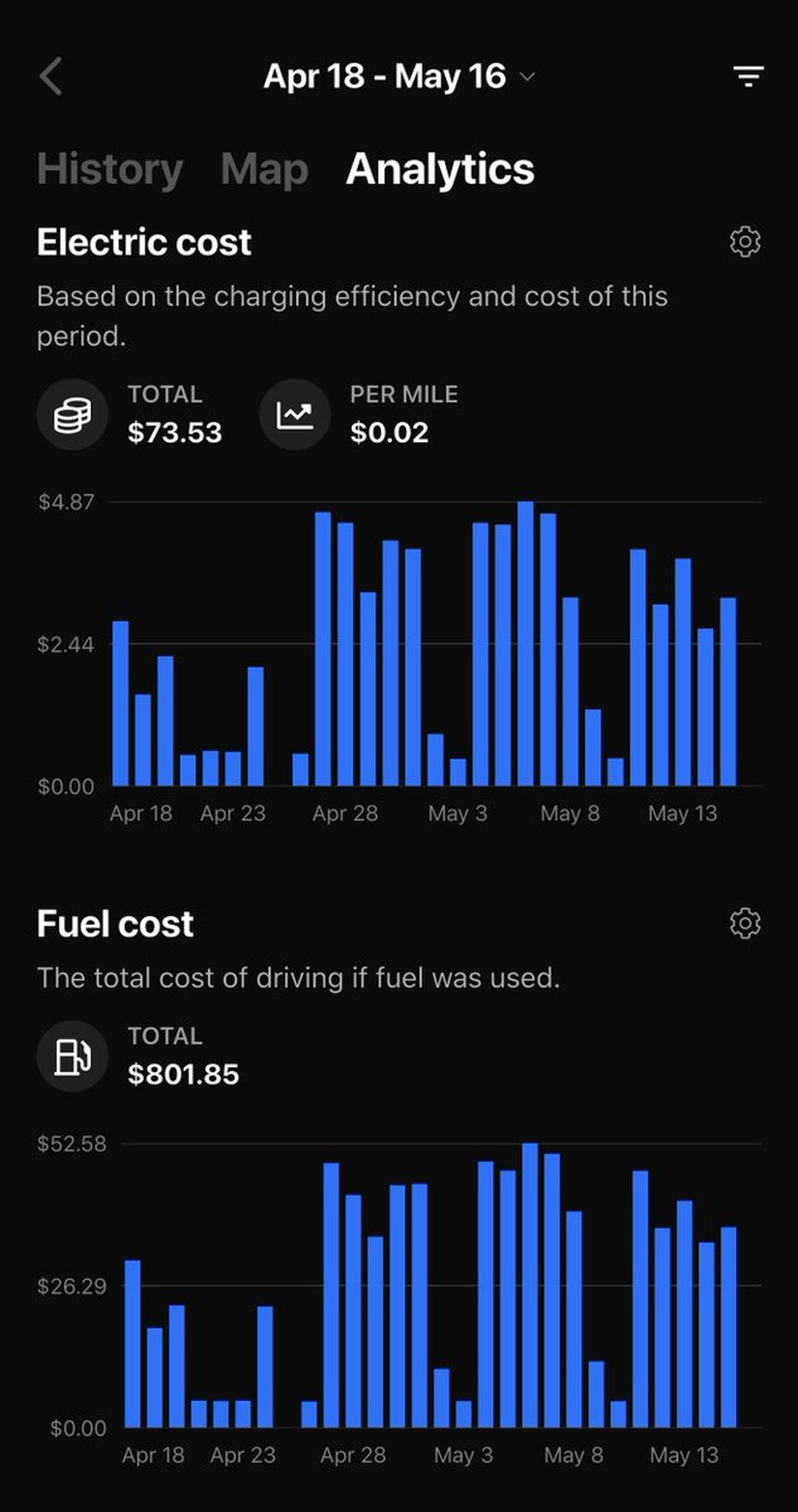
The official Cybertruck account dropped a striking cost comparison this week: the Cybertruck runs more than 10 times cheaper per mile than a traditional gas-powered pickup in West Yellowstone, Montana. It's a bold headline — and the underlying math, while context-dependent, is grounded in real numbers that are worth understanding.

West Yellowstone sits at elevation, draws heavy tourist traffic, and is the kind of remote destination where gas prices run well above the national average — sometimes pushing $5 or higher per gallon. A full-size gas pickup averaging 17 mpg at those prices lands somewhere around $0.29–$0.35 per mile on fuel alone. The Cybertruck, charging at the Tesla Supercharger located at the Grizzly & Wolf Discovery Center in West Yellowstone, comes in at roughly $0.16–$0.17 per mile at average Supercharger rates. That's a meaningful gap, though the "10x" figure likely reflects a more favorable scenario: home charging at $0.07–$0.08 per mile against a particularly inefficient gas truck at premium fuel prices.
Zoom out from the West Yellowstone scenario and the savings picture is still compelling. According to verified data from the official Cybertruck account, home charging costs less than $25 on average per month, and one owner reported spending just $404 on electricity over a full year — saving an estimated $4,000+ compared to running a comparable gas or diesel truck. Maintenance is another lever: the Cybertruck's estimated five-year maintenance cost runs around $1,961, a fraction of what diesel pickups typically demand. On total cost of ownership over five years, estimates put the Cybertruck AWD at roughly $88,000–$92,000 versus $93,000–$98,000 for a similarly equipped gas 4x4 crew cab, factoring in fuel, maintenance, and 60,000 miles of driving.
The 10x claim is real in the right conditions — remote location, premium gas prices, home or solar charging on the Cybertruck side. For everyday driving closer to the national average, the advantage is closer to 2–3x on fuel costs, which is still the difference between filling up a tank every week and barely thinking about energy costs. For owners who do run their Cybertruck in places like West Yellowstone regularly, the numbers are genuinely that dramatic.
Related Gear
Gear up your Cybertruck with tested, custom-fit BASENOR accessories — shop Cybertruck accessories →
Sources & reporting notes
The links below identify the material source records used for this report.
- @cybertruck on X (2026-05-16T18:14:37.000Z) — Direct source
Source links are preserved as published or accessed. See our editorial standards and corrections policy.
The BASENOR Editorial Desk covers Tesla, SpaceX, and related technology, curating reporting from primary sources — official accounts, regulatory filings, and software release data. Every article passes source-record and fact-checking review before publication. About the newsroom.
This report was curated by the BASENOR Editorial Desk from the sources listed above. Read our editorial standards or email editorial@basenor.com to report an error.