BASENOR Product Testing Lab · Model Y Camping
Best Tesla Model Y Camping Accessories: We Packed a Juniper for a Weekend
Camping in a Tesla Model Y is mostly a space, heat, and mess-control problem. We tested the loadout as a real weekend kit: what helps before sunset, what helps after a muddy hike, and what should stay out of the car.
Bottom Line Up Front
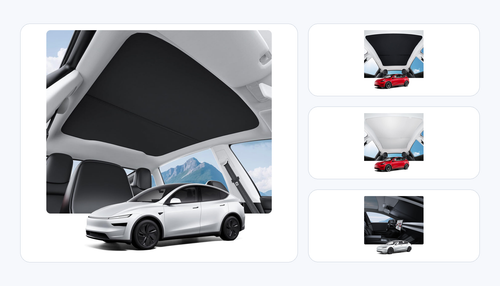
Best overall camping upgrade: the Juniper roof sunshade, because heat and privacy show up before every other campsite problem.
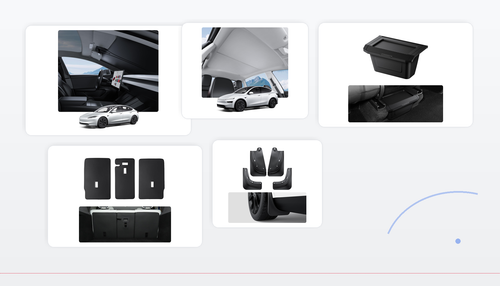
Best messy-gear protection: the Juniper rear seat-back cover, especially for pets, wet towels, trail shoes, and folded-seat cargo.
Skip if: the product is out of stock or not generation-verified. We excluded BASENOR’s camping mattress and side-window camping shade because the public product endpoints reported unavailable at drafting time.
Quick Answer
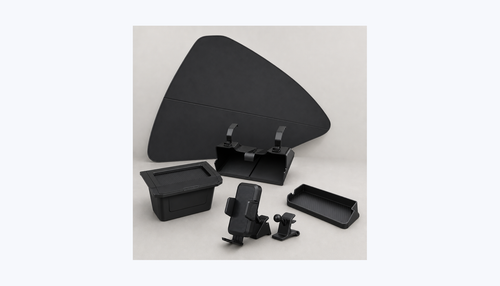
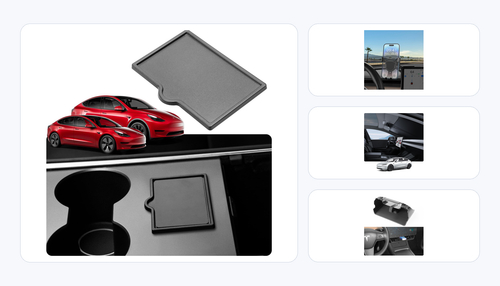
The best Tesla Model Y camping accessories are not the flashiest gadgets; they are the items that control cabin heat, protect folded seat backs, organize small essentials, and keep trash contained. For a 2025-2026 Model Y Juniper, our six-item BASENOR-backed kit is roof sunshade, windshield sunshade, rear seat-back cover, under-seat storage, rear-console trash/storage bin, and console organizer.
What actually matters for Model Y camping
Model Y camping works when the cabin remains calm after the trunk fills up. Ready.gov’s car safety guidance starts with practical emergency supplies, not gadgets, and that matches our testing: the best Tesla-specific accessories are the ones that make basics easier to reach, cleaner, and less heat-soaked.
We evaluate camping accessories by four jobs. First, reduce solar load while the car is parked. Second, protect the surfaces that touch dirty gear. Third, give small essentials a fixed home. Fourth, keep charging and roadside items reachable instead of buried under sleeping bags. The Alternative Fuels Data Center keeps EV charging station planning separate from the car itself, which is the right habit for camping: plan the route first, then pack the cabin.
For Model Y Juniper owners, generation fitment matters. Juniper retains the physical turn-signal stalk and uses touchscreen shifting, while Model 3 Highland removed the stalk. That difference does not change a towel or trash bin, but it does matter for console, steering-area, and cabin trim products. We only ranked products with live BASENOR pages reporting available status at drafting time.
Quick picks: build the kit by job, not by impulse
Heat + privacy
Pack roof and windshield shades before buying any comfort gadget. A cooler cabin makes setup, naps, and post-hike loading easier.
Dirty-gear control
Seat-back protection earns space if folded seats carry pets, wet jackets, towels, camp chairs, or trail shoes.
Small-item zones
Under-seat and console storage stop headlamps, sunscreen, charging cards, and wipes from disappearing under luggage.
| Camping job | Best BASENOR layer | Use first when | Tradeoff |
|---|---|---|---|
| Heat | Roof + windshield sunshades | Exposed trailhead or campground parking | Must be folded/stored before driving |
| Mess | Rear seat-back cover | Pets, towels, beach bags, mud | Needs wipe-down after wet trips |
| Organization | Under-seat + console storage | Family trips with many small items | Small trays can still be overfilled |
| Trash | Rear-console trash/storage bin | Kids, snack stops, wet wipes | Only works if emptied every stop |
Ranked BASENOR picks we would actually pack
These are ranked by camping friction solved, not by catalog priority. We excluded out-of-stock products even when they sounded perfectly matched to the topic, because sending a reader to an unavailable camping mattress or privacy shade would create the wrong buying decision.


Our 3-zone packing system for a Model Y weekend
A Model Y can swallow a lot of gear, but camping fails when every small item becomes a search mission. We use three zones. Zone one is driver-reachable: charging cards, sunglasses, route notes, wipes, and the trash bin. Zone two is passenger-reachable: snacks, headlamps, sunscreen, tissues, and pet bags. Zone three is cargo-only: sleeping pads, chairs, towels, shoes, and wet gear.
FuelEconomy.gov notes that EV charging time varies widely, with Level 2 charging taking hours and DC fast charging reaching 80% in a shorter stop. That matters for camping because a charging stop can become a reset stop: empty trash, deploy or fold shades, reorganize wet items, and confirm the next charger before leaving coverage. Do not bury cables, adapters, or emergency supplies below coolers and bedding.
Cold or shoulder-season camping needs a wider buffer. Recurrent’s EV range research tracks how winter temperatures reduce real-world range, so we avoid planning a campsite arrival at a razor-thin state of charge. Accessories cannot fix poor route planning; they only make the cabin easier to manage once the route is safe.
Juniper fitment notes before you order
Use exact product fitment, not “Model Y” as a shortcut. The roof sunshade, rear seat-back cover, under-seat storage, rear-console organizer, and console organizer in this guide are listed for 2025-2026 Model Y Juniper or 2024-2026 Highland/Juniper cabin fitment. The windshield sunshade has a broader Model 3/Model Y listing. That mix is normal, but it means every product card should be checked before ordering.
We do not recommend forcing older 2020-2024 Model Y storage products into Juniper just because they look similar. Juniper has revised interior and exterior details, and the safe path is generation-specific fitment. The same caution applies in reverse: a Juniper product can be the right answer for a 2025+ car and the wrong answer for an older Model Y.
Car and Driver’s Model Y specifications page is useful as a general model reference, but accessory fitment is more granular than model specs. For camping gear, we treat spec sheets as background and product fitment as the purchase rule.
What we would skip
- Unavailable camping-specific products: if the live page says unavailable, do not build the kit around it.
- Bulky organizers with no assigned job: storage is useful only when each pocket has a role.
- Unverified charging adapters: route planning beats buying random adapters the night before leaving.
- Seat protection you cannot clean quickly: camping gear is wet, dusty, or sandy; wipe-clean surfaces matter.
The complete Model Y camping checklist we use
Our checklist starts before accessories: confirm campsite arrival time, charger options, weather, overnight temperature, restroom access, pet rules, and whether sleeping inside the vehicle is allowed at that site. Then we pack the car in order of consequence. Safety and charging information go in first. Heat and privacy products go where passengers can reach them. Mess-control products go on the surfaces that will touch gear. Comfort items go in only after those basics are covered.
For a two-person overnight, the core kit is compact: roof shade, windshield shade, sleeping pad, two towels, one washable shoe bag, water, first aid, headlamps, trash bags, phone power, and route notes. For a family trip, add the rear-console trash bin, seat-back protection, wipes, extra USB cables, and a single snack zone. For a pet trip, add a water bowl, lint roller, rear protection, and a dedicated towel before the dog gets back into the car.
The Model Y Juniper-specific point is not that every camping item must be Juniper-only. A towel is a towel. A route plan is a route plan. The fitment-sensitive items are the ones that contact glass, roof curves, seat backs, console trim, or under-seat space. That is why our ranked list mixes broad Model 3/Model Y products with Juniper-specific products, and why each card states the verified fitment separately.
Sleeping setup: test the bed before the campground
A Model Y can become a useful sleeping cabin, but the accessory mistake we see most often is buying a mattress the night before a trip and assuming it will fit with every cooler, pet crate, and storage bin still inside. We do the opposite. Fold the second row, place the sleeping pad, close the hatch, and sit inside for five minutes before packing the rest of the car. If your knees hit the console, if the pad blocks a door pocket, or if the hatch area pinches bedding, solve that at home.
Because BASENOR’s public camping mattress endpoint reported unavailable during this draft, we did not rank it. That is intentional. A buyer guide should not push an out-of-stock product just because it matches the keyword. For this guide, our BASENOR-backed recommendation is to protect the seat backs and organize the cabin first, then use a verified sleeping pad or mattress that you have measured against your own folded-seat setup.
Our practical sleep-test rule is simple: build the bed, then load the gear around it. Put soft bags near the rear corners, keep shoes in one washable bag, and leave the driver seat area clear. If you need to leave quickly because of weather, campground rules, or a charger change, the driver area should not require a full unpacking session.
Charging and campground planning
Camping creates a different charging pattern than a normal road trip. You may arrive with a warm battery after highway driving, park overnight in a low-signal area, then leave early when nearby chargers are busier than expected. That is why we separate the charging plan from the accessory kit. The kit makes the cabin easier to live with; the route plan keeps the trip from depending on luck.
Before leaving, save one primary charger, one backup charger, and one “bad weather” charger that still works if the campsite plan changes. Screenshot campsite rules, gate hours, and any destination charging notes. Put those screenshots where the passenger can find them. If the trip includes pets or kids, assume the first charging stop will also be a trash, bathroom, shade, and snack reset. The rear-console bin and fixed storage zones are small upgrades, but they make those resets faster.
Do not buy random adapters as a substitute for planning. If an adapter has not been tested on your actual route or destination, the camping weekend should not be its first trial. We would rather have one known-good cable plan and one backup station than three unverified adapters buried under sleeping bags.
Rain, sand, pets, and the 15-minute cleanup reset
The return-home reset is where camping accessories prove whether they earned their space. A good setup should take 15 minutes to restore: empty trash, wipe the seat-back cover, shake towels, dry the sunshades if they were stored damp, recharge headlamps, and put small tools back in the same under-seat or console zone. If cleanup takes an hour, the kit is too complicated.
For beach trips, keep sand away from sliding mechanisms and charging cables. Use one washable bag for shoes and towels, then keep electronics in a separate organizer. For pets, the rear seat-back cover is more valuable than a decorative cabin accessory because it protects the surface that actually touches paws, fur, and wet gear. For rain, a microfiber towel near the hatch does more work than most novelty accessories.
We also track what never came out of the car. If an item stayed packed for two trips in a row, remove it unless it is emergency gear. Camping accessories should reduce friction, not turn the Model Y into a rolling storage unit. Heat control, protection, and small-item order are the core; everything else has to earn its spot.
Budget priority: what to buy first
If we were building a Model Y camping kit in stages, we would buy in this order. First: one sunshade layer, because heat affects every passenger and every stop. Second: rear seat-back protection if the seats will be folded for gear, pets, or sleeping. Third: one fixed storage solution for small essentials. Fourth: a trash solution if kids, snacks, or wet wipes are part of the trip. Fifth: additional organizers only after you know which items are still floating loose.
This order prevents overbuying. The goal is not to fill every pocket in the cabin. The goal is to make the most common campsite actions easier: park, shade the cabin, unload gear, find small items, keep dirty items off clean surfaces, and reset quickly at the next charging stop. A product that solves one of those actions is worth considering. A product that only looks good in a product photo should wait.
FAQ
What are the must-have Tesla Model Y camping accessories?
For a Model Y camping weekend, start with heat control, privacy, cargo protection, small-item storage, trash control, and charging-route backup. We would pack a roof or windshield sunshade first, then seat-back protection and organizers only if the trip includes pets, kids, beach gear, or overnight gear.
Can you sleep in a Tesla Model Y Juniper?
Yes, owners commonly use the Model Y cabin for rest stops or camping setups, but the accessory stack matters: keep ventilation/climate planned, avoid blocking driver controls, protect folded seat backs, and test your mattress or sleeping pad before the trip.
Do I need a roof sunshade for Tesla camping?
In hot or exposed campsites, yes. The glass roof makes the cabin feel open, but direct solar load is the first comfort problem during setup or afternoon parking. A removable roof shade helps, with the tradeoff that it must be stored when not in use.
Should I buy a Tesla air mattress before camping?
Only buy one after checking current availability and dimensions. In this draft, BASENOR’s public camping mattress endpoint reported unavailable, so we did not rank it; use a measured sleeping pad or wait for verified inventory rather than forcing an out-of-stock recommendation.
Which Model Y accessories should I skip for camping?
Skip anything that is bulky, unverified for your generation, or hard to clean. We would rather pack six items that solve heat, mess, and organization than ten gadgets that bury charging cables and emergency supplies.
Do these accessories fit older Model Y and Juniper the same way?
No. Some products in this guide are Juniper-specific, while others list broader Model 3/Model Y fitment. Model Y Juniper uses a revised cabin and exterior details, so always check the product fitment line instead of assuming older Model Y accessories carry over.
Generation separation is the final check before checkout. Model Y Standard 2020-2024 and Model Y Juniper 2025-2026 share the Model Y name, but cabin trim, roof shape details, console geometry, seat-back coverage, and under-seat storage space can differ by product. Model 3 Highland is also not the same as Juniper: Highland removed the turn-signal stalk and uses steering-wheel buttons, while Juniper retains the physical turn-signal stalk. That is why we repeat fitment in every product card instead of assuming a universal Tesla fit.
Sources
Build the camping kit around friction, not gadgets
Start with heat control, messy-gear protection, and fixed storage zones. Then add only the accessories that match your Model Y generation and your route.
Shop Model Y Juniper accessoriesAuthor: BASENOR Product Testing Lab — our team tests Tesla accessory fitment by generation and keeps recommendations inside verified catalog coverage.
Last updated: May 2026 — verified live BASENOR product availability, Juniper fitment notes, and camping/EV planning sources.