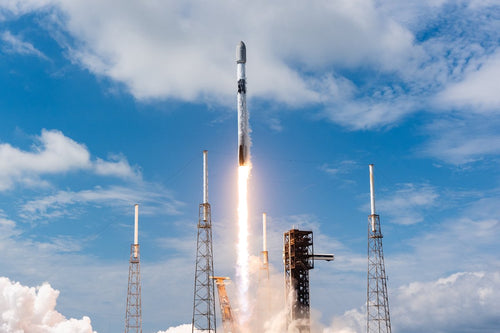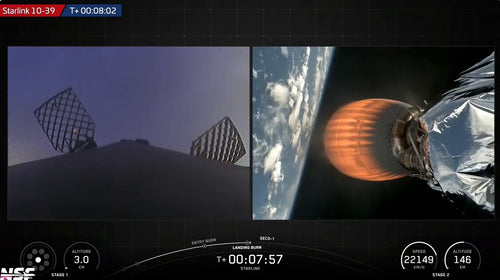
Japanese lunar transport company ispace has signed a commercial agreement with SpaceX to secure 500 kilograms of payload capacity aboard a Starship lunar mission targeting as early as 2030. The deal — valued at roughly $50 million — marks one of the most concrete commercial bookings on Starship to date, and signals that the lunar economy is moving from concept to contract.

1. ispace Locked In 500 kg on a Starship Moon Landing
The headline number is 500 kilograms — roughly 1,102 pounds — of cargo capacity purchased on a single Starship mission slated to land on the lunar surface as early as 2030. The contract is valued at approximately ¥8 billion, or around $50 million. That works out to roughly $100,000 per kilogram to the Moon, which ispace's CEO Takeshi Hakamada described as the kind of "high-capacity, relatively low cost lunar transport" essential to building a sustainable lunar economy. For context, traditional lunar delivery costs have historically run far higher on smaller dedicated landers.
2. ispace Is Launching a New "Lunar Access Integrator" Service
Rather than simply riding along as a passenger, ispace plans to resell its reserved capacity to third-party customers through a new offering called the "Lunar Access Integrator" service. Think of it as a shared-ride bus to the Moon — ispace aggregates smaller payloads from governments, research institutions, and commercial operators, then handles integration and delivery logistics. This complements ispace's existing "Ultra" lunar lander taxi service, giving the company two distinct product lines: a high-capacity shared-ride option via Starship and a dedicated lander option for customers who need more control over their landing site.
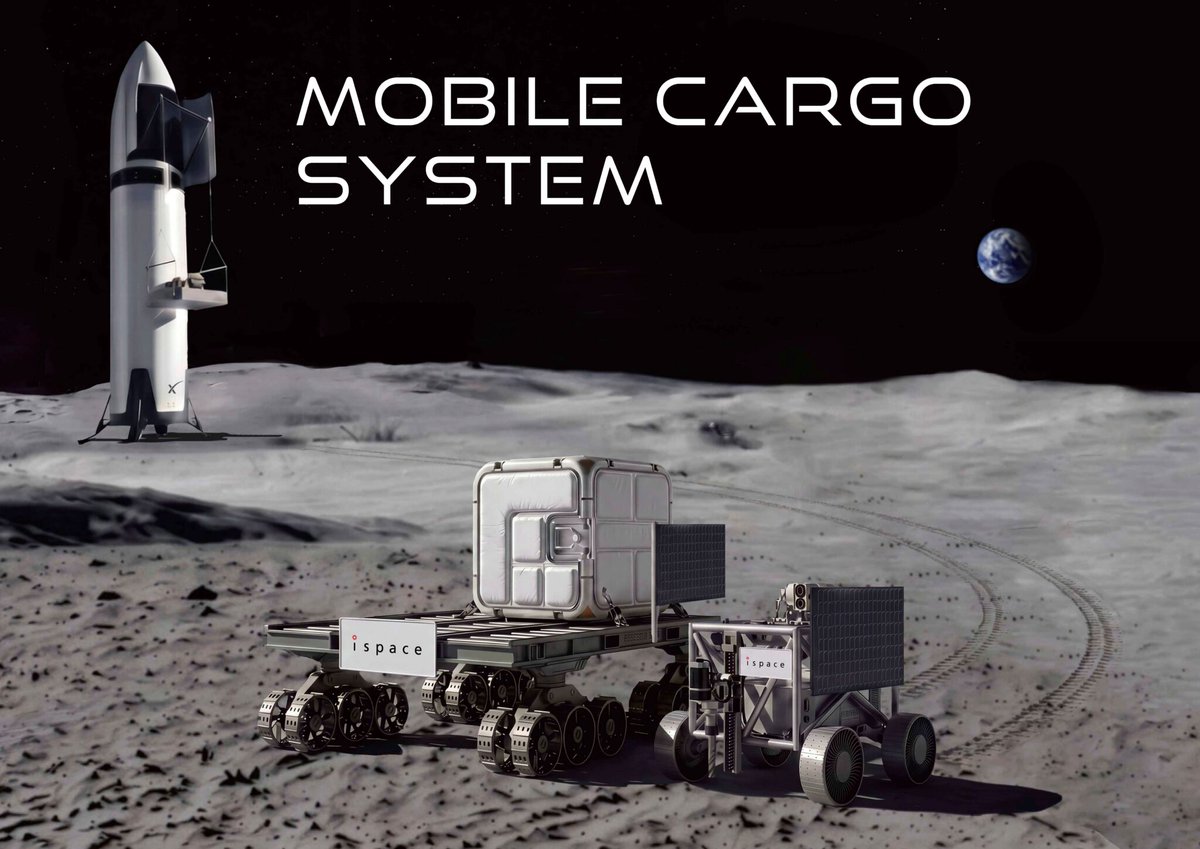
3. ispace Will Build Its Own "Mobile Cargo System" for Last-Mile Delivery
Getting cargo to the lunar surface is only half the challenge — moving it to a specific destination on the Moon is another problem entirely. ispace plans to independently develop a "Mobile Cargo System," a new vehicle designed to transport payloads from the Starship landing site to their final destination on the lunar surface. Details on the vehicle's design and range are still limited, but the concept addresses a genuine gap in the emerging lunar logistics chain: Starship can land a massive payload, but customers may need their hardware delivered somewhere specific, not just wherever Starship touches down.
4. Starship Is Becoming the Default Heavy-Lift Platform for the Moon
The ispace deal is the latest in a growing list of lunar commitments built around Starship. NASA has contracted SpaceX to use Starship as the Human Landing System for the Artemis crewed lunar landing, currently scheduled for 2028. U.S. lunar rover startup Astrolab has also reserved payload slots on future Starship flights. SpaceX Vice President of Commercial Sales Stephanie Bednarek confirmed the company's intent to support smaller payload customers through ispace's integration services, calling it "a valuable pathway for smaller payloads to secure a ride to the Moon today." Starship's 100-ton-class payload capacity makes it uniquely suited to drive down per-kilogram costs in a way no previous lunar vehicle has achieved.
5. ispace Has a Complicated History Getting to the Moon — But Keeps Going
This announcement comes against a backdrop of two failed lunar landing attempts. ispace's HAKUTO-R Mission 1, launched on a SpaceX Falcon 9 in 2022, crashed during its final descent. Mission 2 in 2025 also ended in an unsuccessful landing. Despite those setbacks, the company has continued to attract investment and commercial partnerships. The Starship deal represents a strategic pivot: rather than betting everything on its own lander technology, ispace is now building a business layer on top of SpaceX's infrastructure — absorbing Starship's scale while developing its own surface mobility assets. Whether Mission 3 (still using the company's own lander) or the 2030 Starship mission lands first, ispace is hedging its path to the Moon across multiple vehicles.
The broader takeaway is that Starship's commercial lunar pipeline is filling up faster than most observers expected a year ago. With NASA, Astrolab, and now ispace all holding confirmed capacity, the 2028–2030 window is shaping up as the first real test of whether Starship can deliver on its promise of making the Moon commercially accessible. For more on SpaceX's expanding mission manifest, see our SpaceX coverage.
🚀 Following the Starship program? See every test flight, official outcome and the next launch window in our SpaceX Starship Tracker.
Sources & reporting notes
The links below identify the material source records used for this report.
- @SawyerMerritt on X (2026-07-08T14:28:28.000Z) — Direct source
Source links are preserved as published or accessed. See our editorial standards and corrections policy.
The BASENOR Editorial Desk covers Tesla, SpaceX, and related technology, curating reporting from primary sources — official accounts, regulatory filings, and software release data. Every article passes source-record and fact-checking review before publication. About the newsroom.
This report was curated by the BASENOR Editorial Desk from the sources listed above. Read our editorial standards or email editorial@basenor.com to report an error.