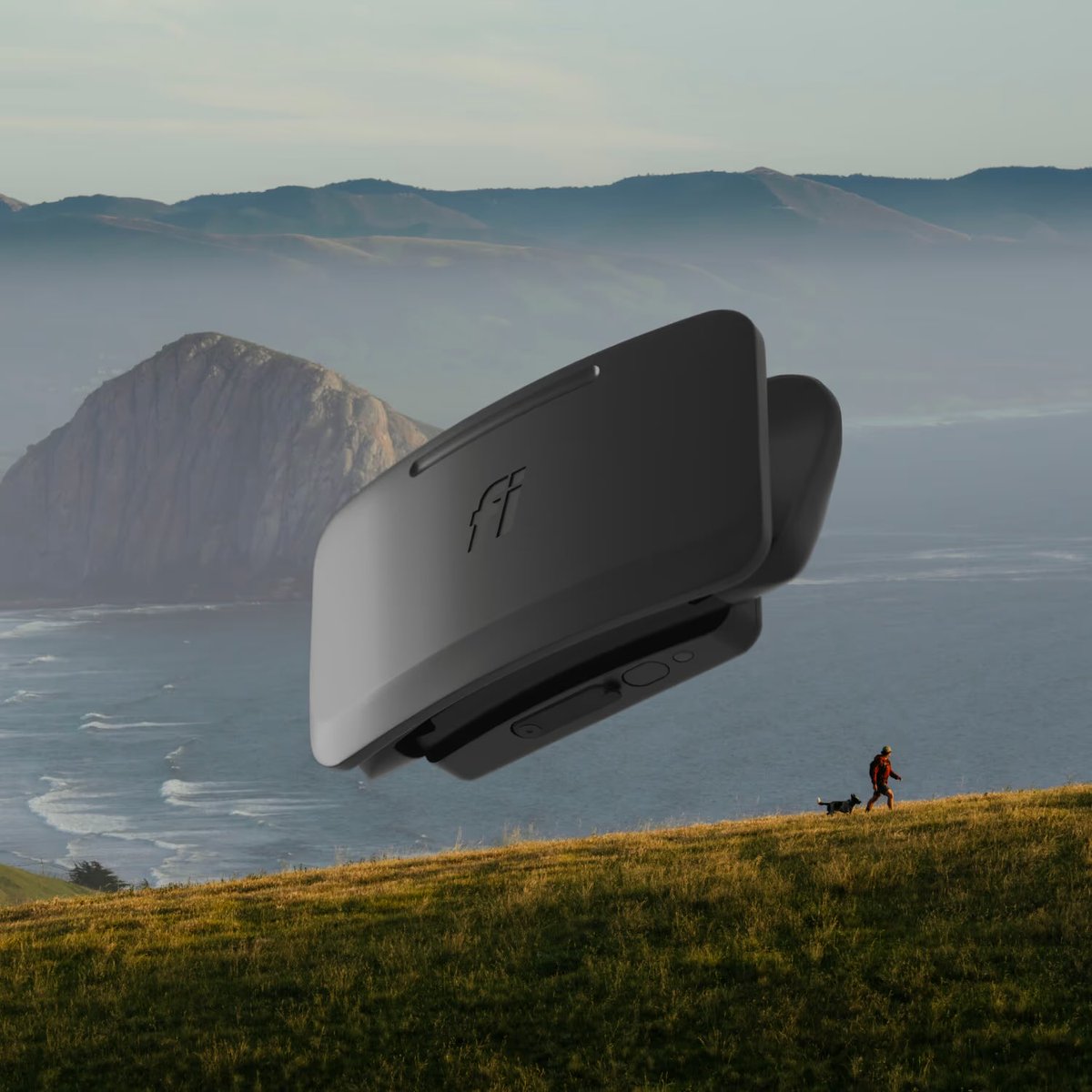
Smart pet technology company Fi launched the Fi Ultra on July 8, 2026 — the world's first dog collar to integrate Starlink satellite connectivity. For the first time, dog owners can track their pets in real time virtually anywhere in the U.S., including remote areas with zero cellular coverage. It's a meaningful expansion of what Starlink's Direct-to-Cell technology can do beyond smartphones.

What Makes This Different
Previous GPS pet trackers — including Fi's own earlier Series 3 lineup — relied entirely on LTE cellular networks. The moment your dog wandered into a dead zone, coverage dropped. The Fi Ultra solves that by layering T-Satellite (T-Mobile's implementation of Starlink Mobile) on top of LTE, Wi-Fi, and Bluetooth 5.4. The collar switches between those four connectivity modes automatically, with no manual input from the owner.
According to PCMag and Tom's Hardware, the Fi Ultra uses dual-band L1/L5 high-precision GPS that stays on continuously — not just when the dog leaves a safe zone. That always-on positioning, combined with satellite fallback, is what makes the "anywhere in the U.S." claim credible rather than aspirational.
It's also worth noting the broader significance: according to reporting from Engadget and Business Wire, the Fi Ultra is the first consumer wearable outside of smartphones to ship with Starlink Direct-to-Cell connectivity. That's not a pet-industry milestone — it's a satellite industry milestone.
Specs and Pricing
| Detail | Spec |
|---|---|
| Connectivity | T-Satellite (Starlink), LTE, Wi-Fi, Bluetooth 5.4 |
| GPS | Dual-band L1/L5, always-on |
| Battery Life | Multi-day (per Fi's official specs) |
| Weight | 68g (0.15 lbs) |
| Water Resistance | IP68 + IP66K, salt water tested |
| Compatibility | Universal clip; snaps onto existing Fi Series 3 / 3+ collars |
| New customer price | $199 collar + $189/year membership (+ $20 activation fee) |
| Existing Fi member price | $299 flat fee, existing membership applies |
One feature worth highlighting separately: Fi Callback. Rather than using electric shock to recall a dog, the device uses sound and vibration with three adjustable intensity levels to encourage the animal to return. According to Business Wire, it's a proprietary system built directly into the hardware.
The Starlink Angle
Starlink's Direct-to-Cell technology has been steadily expanding its footprint in consumer devices since T-Mobile began rolling out T-Satellite service. Until now, that integration was limited to compatible smartphones. The Fi Ultra represents the first time the technology has been embedded in a wearable designed for a non-human user — which opens an obvious question about what comes next. Agricultural sensors, livestock trackers, and wildlife monitoring equipment are all plausible near-term applications using the same underlying connectivity stack.
Fi co-founder and CEO Jonathan Bensamoun framed it in broader terms, stating that the company's mission to strengthen the human-animal connection now extends to "every corner of the country and soon, every corner of the world" — suggesting international Starlink coverage is on the product roadmap once satellite availability expands.
For Starlink, every new device category that ships with Direct-to-Cell integration strengthens the commercial case for the service and accelerates subscriber growth outside the traditional home broadband market. A dog collar is a niche product, but the underlying technology partnership it demonstrates is anything but.
Sources & reporting notes
The links below identify the material source records used for this report.
- @SawyerMerritt on X (2026-07-08T17:58:54.000Z) — Direct source
Source links are preserved as published or accessed. See our editorial standards and corrections policy.
The BASENOR Editorial Desk covers Tesla, SpaceX, and related technology, curating reporting from primary sources — official accounts, regulatory filings, and software release data. Every article passes source-record and fact-checking review before publication. About the newsroom.
This report was curated by the BASENOR Editorial Desk from the sources listed above. Read our editorial standards or email editorial@basenor.com to report an error.