Needham became one of the first major Wall Street firms to initiate formal coverage on SpaceX (NASDAQ: SPCX) on July 7, 2026, assigning a 'Buy' rating and a $200 price target — representing roughly 25% upside from the stock's current price of $160.42. The move signals growing institutional confidence in a company that only went public weeks ago and is already trading at a $2.11 trillion market cap.

Here are the five things that matter most about this coverage initiation.
1. The Price Target Implies 25% Upside — With a Specific Valuation Framework
Needham's $200 target isn't a round number pulled from thin air. According to the firm's analysis, it's based on an enterprise value-to-sales multiple of 15 times Needham's 2028 revenue estimate. With SpaceX currently trading around $160.42, the target represents meaningful near-term upside. For context, analyst price targets across the Street currently range from $62 to $310, reflecting genuinely wide disagreement about how to value a company this new to public markets and this large in scope.
2. Needham's Core Thesis: SpaceX Owns Orbital Infrastructure
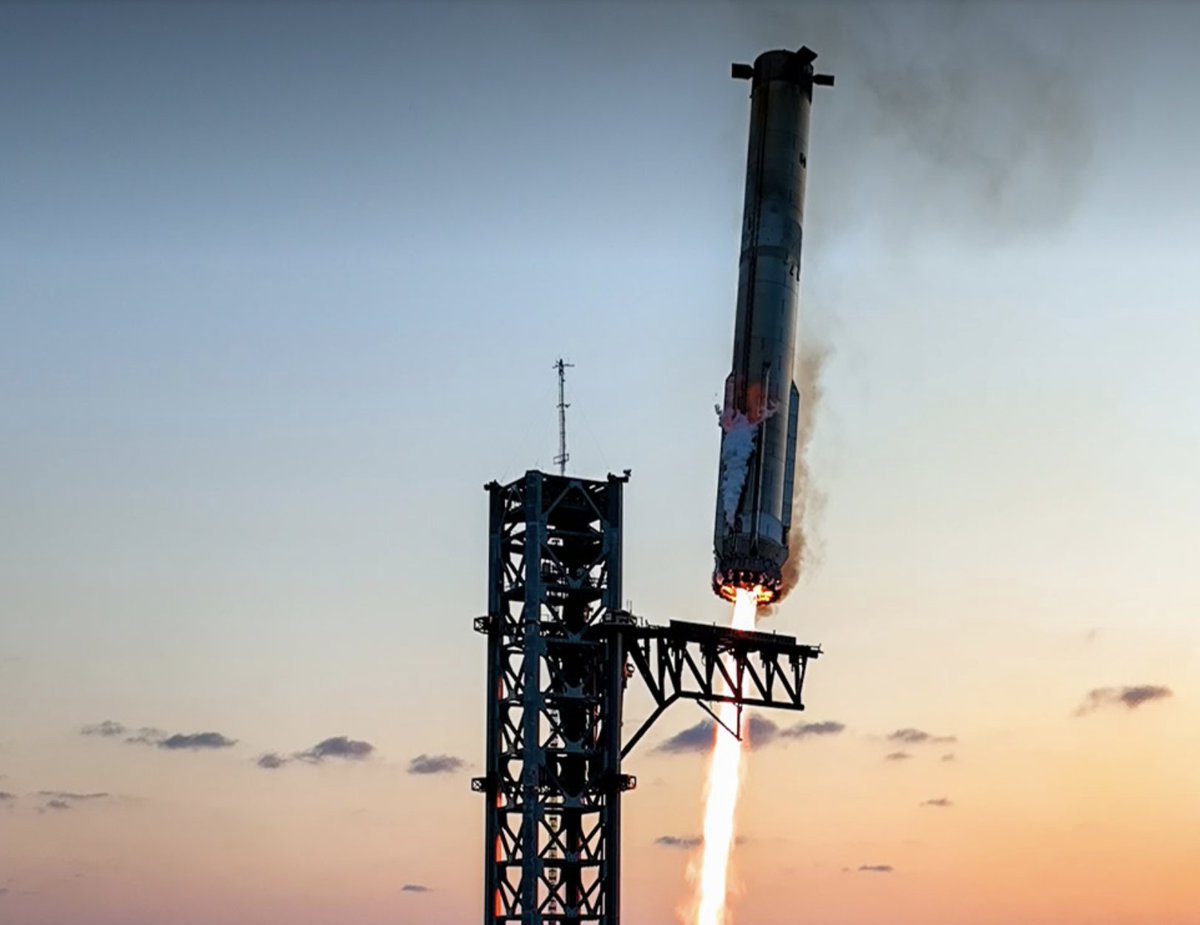
The firm's bull case centers on SpaceX's position as the category leader in orbital infrastructure — not just rockets, but the entire stack of launch cadence, cost structure, and constellation deployment. Needham highlighted a multi-year lead over any credible competitor, noting that the cost and cadence advantages SpaceX has built are what enabled Starlink to scale as fast as it did. That kind of structural moat is rare, and it's the foundation of the Buy thesis.
3. Starlink Is Now a Revenue Engine, Not Just a Moonshot
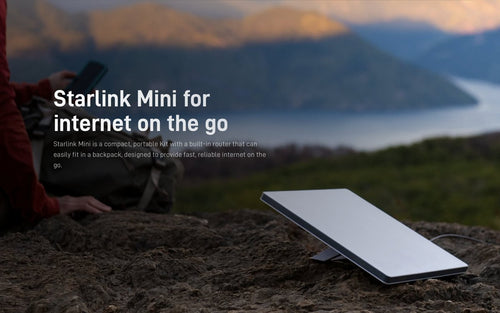
A key part of what makes the Needham initiation credible is that Starlink has already crossed from experimental to commercial scale. According to background research from investing.com, Starlink reached 10.3 million subscribers across 160 countries in 2025 and generated $11.4 billion in revenue. That's not a speculative future cash flow — it's a business that's already running. SpaceX as a whole generated $19.3 billion in total revenue over the last twelve months, with analysts forecasting 95% revenue growth for the current year.
4. The IPO Context: SpaceX Only Went Public Last Month
SpaceX completed its IPO on June 12, 2026, pricing shares at $135.00 on the Nasdaq Global Select Market under the ticker SPCX. The offering raised $86 billion — the largest IPO in history — and valued the company at $1.77 trillion at listing. The stock has already climbed roughly 19% from its offering price to current levels. Needham's initiation, coming less than four weeks after the IPO, is one of the earliest formal Buy ratings from a named firm and adds institutional credibility at a critical early stage of the stock's public life.
5. The xAI Acquisition Adds a New Variable to the Bull Case
Since the IPO, SpaceX has moved quickly on the M&A front. The company recently acquired xAI, adding the Grok frontier AI model, AI factories, and the Cursor coding platform to its portfolio. According to reporting cited by William Blair, the Cursor deal alone was valued at $60 billion. Whether Needham's $200 target fully prices in the xAI integration remains an open question — but it adds a significant AI and software layer to what was already a hardware and infrastructure story, potentially expanding the addressable market well beyond launch services and satellite connectivity.
With analyst targets spanning nearly $250 between the low and high estimates, SPCX is shaping up to be one of the most debated stocks on Wall Street. Needham's initiation won't be the last — expect more coverage to follow as the 25-day IPO quiet period expires and additional banks are free to publish. For investors watching from the sidelines, the next few weeks of analyst initiations will likely set the tone for where institutional consensus lands.
Sources & reporting notes
The links below identify the material source records used for this report.
- @SawyerMerritt on X (2026-07-07T12:59:00.000Z) — Direct source
Source links are preserved as published or accessed. See our editorial standards and corrections policy.
The BASENOR Editorial Desk covers Tesla, SpaceX, and related technology, curating reporting from primary sources — official accounts, regulatory filings, and software release data. Every article passes source-record and fact-checking review before publication. About the newsroom.
This report was curated by the BASENOR Editorial Desk from the sources listed above. Read our editorial standards or email editorial@basenor.com to report an error.