⚡ 30-Second Brief
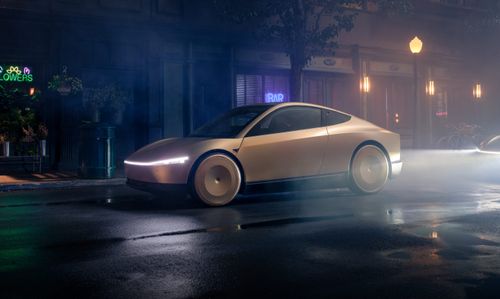
- The News: Tesla's dedicated Cybercab robotaxi is reportedly undergoing winter testing, with Elon Musk reconfirming its 2026 production target.
- Why It Matters: This signals continued progress towards Tesla's vision of an autonomous ride-hailing network, a major future revenue driver for the company.
📊 Key Figures
| Metric | Value | Context |
|---|---|---|
| Production Start Target | 2026 | Reiterated by Elon Musk |
| Expected Value Add (Ark Invest) | 10X company value | By 2030, if successful |
🔭 The Basenor Take
- Timeline: In Progress
- Impact Level: 🔴 High
What This Means for You: While the Cybercab isn't a direct accessory for your current Tesla, its development is crucial. A successful robotaxi network could significantly increase Tesla's valuation, indirectly benefiting current owners through brand strength and potential future innovations that trickle down to consumer vehicles. As FSD capabilities advance for the Cybercab, it's highly likely that this technology will eventually improve the autonomous driving experience in your Model 3, Model Y, or Cybertruck, making your vehicle even more capable and valuable over time.
🗣️ Community Pulse
Community discussions around the Cybercab reveal a mix of excitement and skepticism. Owners are questioning its practicality for cargo and sports equipment, preferring their current Model Ys for that. There's also debate on the name 'Robotaxi' facing trademark issues, mirroring past Tesla naming challenges. Some are concerned about safety given past FSD incidents, while others acknowledge its potential for urban mobility, particularly for non-car owners. The core question on many minds remains: how will Tesla bridge the gap between impressive FSD demonstrations and a fully unsupervised, mass-scale robotaxi service?
📰 Deep Dive
Tesla's dedicated Cybercab, designed specifically for autonomous ride-hailing, is reportedly undergoing rigorous winter testing. This crucial phase is a significant step in validating the vehicle's performance and reliability in challenging environmental conditions, a prerequisite for widespread deployment. Elon Musk has once again affirmed the company's ambitious target to begin Cybercab production in 2026, reinforcing Tesla's commitment to its long-term vision for autonomous transport. This news comes amidst considerable anticipation and scrutiny, as the success of the Cybercab program is seen by many, including Ark Invest's Cathie Wood, as a pivotal factor in Tesla's future valuation.
The Cybercab represents a strategic shift for Tesla, moving beyond consumer vehicle sales into the lucrative mobility-as-a-service sector. Unlike current Tesla vehicles that can theoretically operate as robotaxis, the Cybercab is a purpose-built platform, optimized for efficiency, durability, and passenger experience in an autonomous setting. This focus is expected to yield superior operational economics, including significantly better miles per kWh, crucial for a high-utilization service. However, the path to launch is not without its hurdles, including regulatory approvals, public acceptance of driverless vehicles, and the ongoing refinement of FSD technology to achieve true unsupervised autonomy.
For current Tesla owners, the Cybercab's development signifies the cutting edge of the company's technological advancements. While the Cybercab itself is not a consumer product, the FSD software and hardware innovations developed for it will inevitably inform and enhance the capabilities of Tesla's production vehicles. As Tesla pushes the boundaries of autonomy for its robotaxi fleet, expect to see these improvements gradually integrated into your own Tesla, further solidifying its position as a leader in automotive technology.
🚕 Following the Robotaxi rollout? See every operating city, launch date and announced market in our Tesla Robotaxi Tracker.
Related Gear
Gear up your Tesla with tested, custom-fit BASENOR accessories — shop Tesla accessories →
Sources & reporting notes
This article does not include retained source links. Our editorial standards and corrections policy, linked below, explain how BASENOR sources its reporting and how to request a correction.
Source links are preserved as published or accessed. See our editorial standards and corrections policy.
The BASENOR Editorial Desk covers Tesla, SpaceX, and related technology, curating reporting from primary sources — official accounts, regulatory filings, and software release data. Every article passes source-record and fact-checking review before publication. About the newsroom.
This report was curated by the BASENOR Editorial Desk from the sources listed above. Read our editorial standards or email editorial@basenor.com to report an error.