⚡ 30-Second Brief
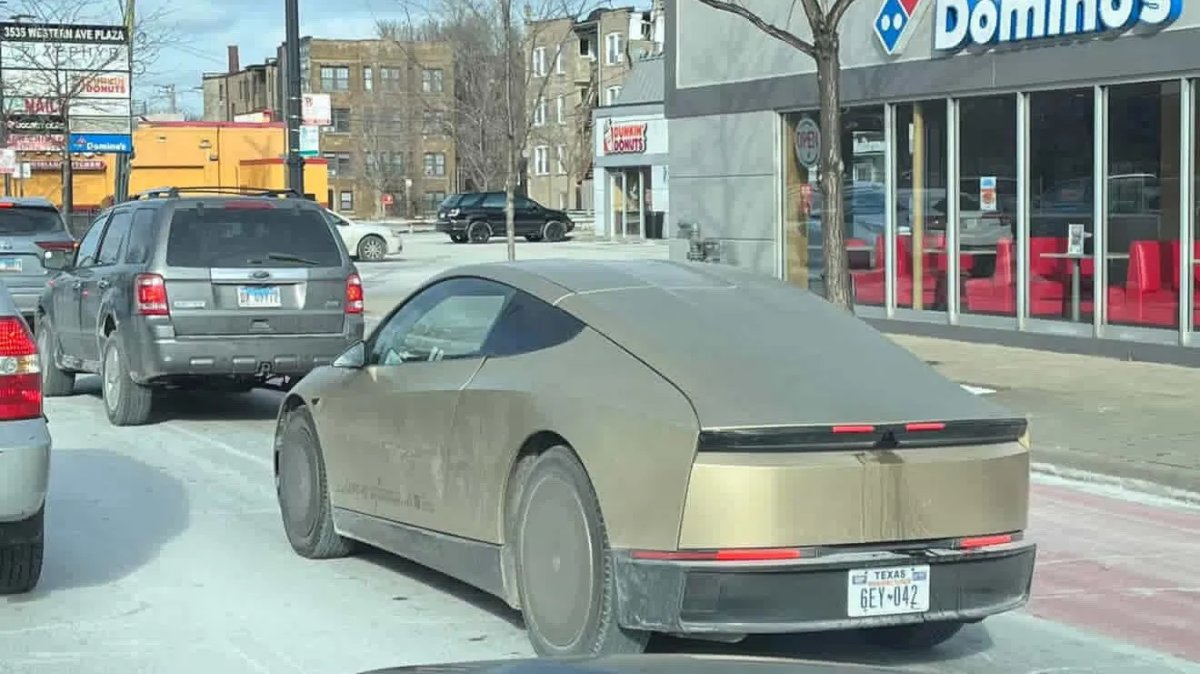
- The News: A Tesla Cybercab prototype was recently observed without traditional side mirrors, instead featuring a rear camera washer.
- Why It Matters: This design choice underscores Tesla's commitment to vision-only autonomy and advanced sensor integration for its future robotaxi fleet.
📊 Key Figures
| Metric | Value | Context |
|---|---|---|
| Side Mirrors | None | Replaced by cameras, indicating reliance on vision systems. |
| Rear Camera | Equipped with washer | Ensures clear vision for critical rear-facing perception in all conditions. |
🔭 The Basenor Take
- Timeline: In Progress
- Impact Level: 🔴 High
What This Means for You: The Cybercab, while a dedicated robotaxi, is a proving ground for Tesla's next-gen autonomous hardware and software. Features like robust camera systems and the elimination of traditional mirrors highlight the sophistication of their vision-only approach. As this technology matures, expect to see advancements trickle down to consumer vehicles, potentially enhancing FSD capabilities, safety features, and even the design of future Model 3 and Model Y iterations. This pushes the boundaries of what's possible with camera-based driving, ultimately benefiting the entire Tesla ecosystem.
🗣️ Community Pulse
Community discussions are still developing around this news. However, the broader sentiment on forums like Reddit often revolves around the evolution of FSD and how new hardware implementations, like those seen on the Cybercab, might eventually impact the performance and reliability of autonomous features in current and future consumer Teslas. Owners are keenly observing how these developments will translate into tangible improvements for their own vehicles.
📰 Deep Dive
Tesla’s highly anticipated Cybercab, a vehicle designed from the ground up for autonomous ride-sharing, has been spotted in testing with a notable design deviation: the absence of conventional side mirrors. Instead, the prototype features a sophisticated rear camera system, complete with an integrated washer. This engineering choice is a clear indicator of Tesla’s unwavering commitment to a vision-centric approach for full self-driving capabilities, moving away from redundant physical components in favor of advanced sensor arrays.
The inclusion of a rear camera washer is particularly significant. For a vehicle intended for continuous autonomous operation in diverse weather conditions, maintaining clear sensor vision is paramount. This detail suggests a meticulous focus on ensuring the reliability and robustness of the camera-based perception system, which will be critical for safety and operational efficiency in a robotaxi fleet. It mitigates potential issues from dirt, rain, or snow obstructing vital visual input.
This development aligns with Tesla's long-term strategy of leveraging its extensive neural network training and real-world data to achieve Level 5 autonomy. The Cybercab serves as a dedicated platform to refine these technologies, and its design choices offer a glimpse into the future of Tesla's vehicle architecture. While the Cybercab is a specialized product, the lessons learned and technologies perfected during its development are expected to directly influence and enhance the FSD performance and hardware of Tesla's consumer vehicle lineup in the years to come.
The move away from side mirrors also has potential aerodynamic and aesthetic benefits, though the primary driver is undoubtedly the functional superiority and data richness provided by camera systems for autonomous driving. This design decision further solidifies Tesla's position at the forefront of autonomous vehicle innovation, pushing the boundaries of what's possible with advanced computer vision.
🚕 Following the Robotaxi rollout? See every operating city, launch date and announced market in our Tesla Robotaxi Tracker.
Related Gear
Gear up your Tesla with tested, custom-fit BASENOR accessories — shop Tesla accessories →
Sources & reporting notes
This article does not include retained source links. Our editorial standards and corrections policy, linked below, explain how BASENOR sources its reporting and how to request a correction.
Source links are preserved as published or accessed. See our editorial standards and corrections policy.
The BASENOR Editorial Desk covers Tesla, SpaceX, and related technology, curating reporting from primary sources — official accounts, regulatory filings, and software release data. Every article passes source-record and fact-checking review before publication. About the newsroom.
This report was curated by the BASENOR Editorial Desk from the sources listed above. Read our editorial standards or email editorial@basenor.com to report an error.