30-Second Brief
The News: The official Cybertruck account has confirmed that charging a Cybertruck with Tesla Energy solar can cost as little as 5¢ per mile.
Why It Matters: For Cybertruck owners who already have — or are considering — a Tesla solar setup, this figure puts per-mile energy costs well below the national average for both gasoline and grid electricity, making the case for solar integration more compelling than ever.
Source: @cybertruck on X
Cybertruck + Tesla Solar: Charge for Just 5¢ Per Mile
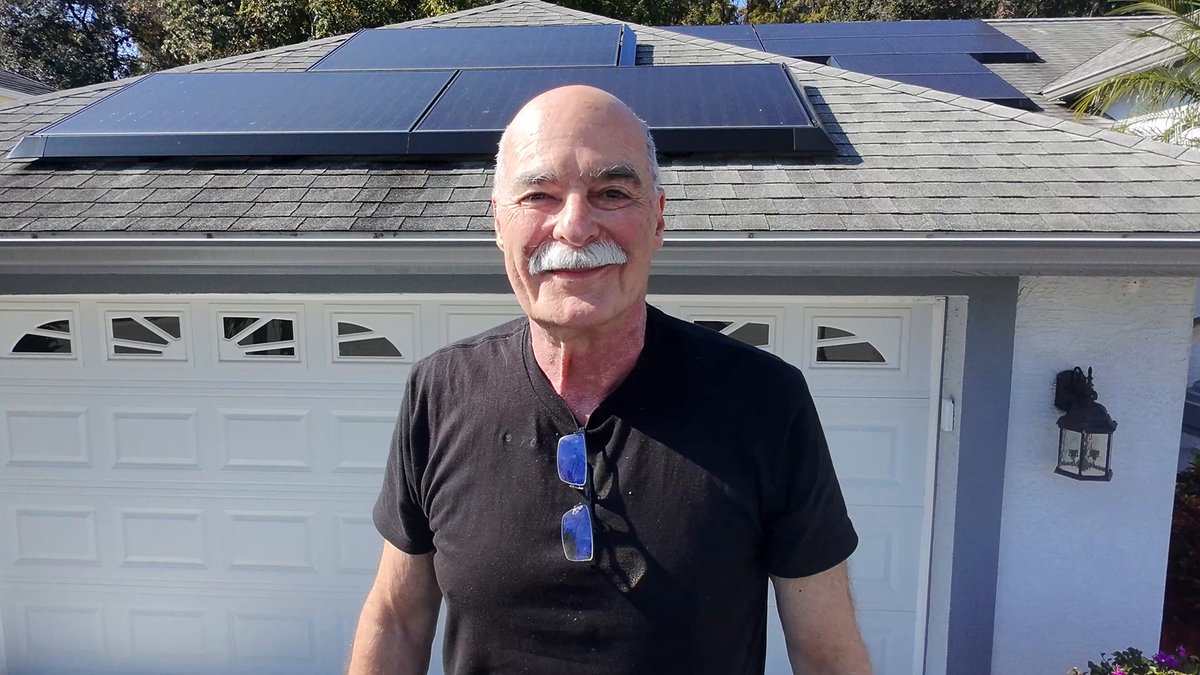
Fuel costs are one of the most tangible reasons people switch to electric — and Cybertruck owners who pair their truck with Tesla Energy solar may be looking at some of the lowest per-mile energy costs of any vehicle on the road. The official Cybertruck account made it plain this week: charging a Cybertruck can cost as little as 5¢ per mile when you're drawing from Tesla solar.

📊 What Does 5¢ Per Mile Actually Mean?
| Energy Source | Approx. Cost Per Mile | Annual Cost (15k miles) |
|---|---|---|
| Tesla Solar (home) | ~5¢ | ~$750 |
| Home grid (U.S. avg. ~16¢/kWh) | ~5–7¢ | ~$750–$1,050 |
| Tesla Supercharger (avg.) | ~10–14¢ | ~$1,500–$2,100 |
| Gasoline truck (avg. 20 MPG, $3.50/gal) | ~17–18¢ | ~$2,550–$2,700 |
Note: Solar per-mile cost depends on your system size, local sun hours, and Cybertruck efficiency. The 5¢/mile figure represents an optimized solar scenario. Grid electricity costs vary significantly by state.
The math is striking. At 5¢ per mile, a Cybertruck owner driving 15,000 miles per year spends roughly $750 on energy — compared to $2,500+ for a comparable gasoline truck. Over five years, that's a potential saving of $8,750 or more, not accounting for rising gas prices.
🔌 How Solar Charging Actually Works for Cybertruck
The 5¢/mile figure assumes you're generating electricity from Tesla solar panels at home and routing it to your Cybertruck — either directly or via a Powerwall battery. Here's the basic flow:
- Tesla Solar Panels generate electricity from sunlight throughout the day.
- Powerwall stores excess solar energy so you can charge overnight, even when the sun isn't shining.
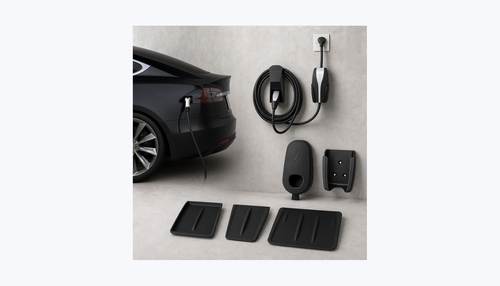
- Home Wall Connector delivers that stored solar energy to your Cybertruck at up to 48A (roughly 30–34 miles of range per hour of charging).
- The Tesla app lets you set a solar charging preference, so the truck prioritizes green energy automatically.
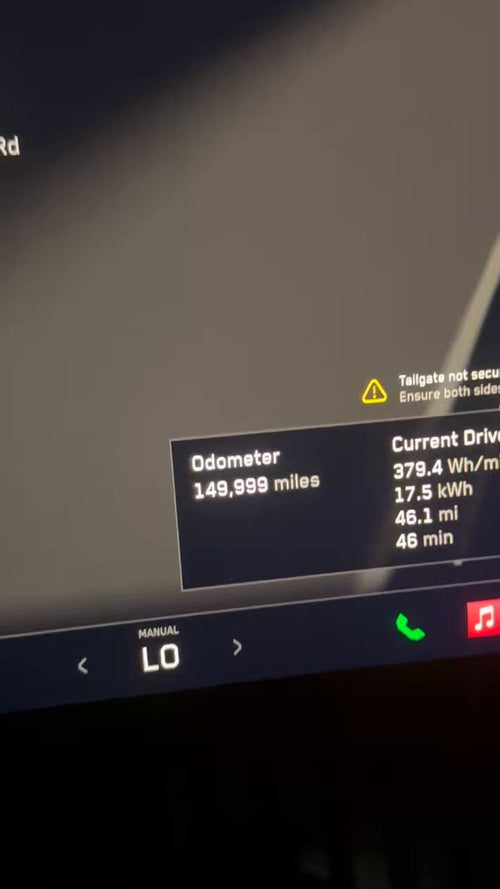
The key variable is your solar system's output vs. your Cybertruck's consumption. The Cybertruck uses approximately 400–450 Wh per mile in real-world driving conditions (depending on load, speed, and climate). A well-sized Tesla solar array in a sun-rich state like California, Texas, or Arizona can realistically cover most or all of a typical owner's daily driving needs.
🚦 Owner's Action Plan
Verdict: RECOMMENDED for most Cybertruck owners
Step 1 — Calculate your current per-mile charging cost
Check your last electricity bill for your rate (¢/kWh). Divide by your Cybertruck's efficiency (roughly 2.5–2.8 miles/kWh). If you're already below 8¢/mile on the grid, solar becomes even more compelling as a long-term hedge against rising utility rates.
Step 2 — Get a Tesla Energy quote
Visit tesla.com/energy to get a solar + Powerwall estimate for your home. Tesla's configurator will estimate system size, annual output, and payback period based on your address and electricity usage.
Step 3 — Size your system for the Cybertruck
When speaking with a Tesla Energy advisor, explicitly mention you're charging a Cybertruck. The truck's larger battery (up to 123 kWh on Foundation Series) means you'll want a system large enough to handle both your home load and vehicle charging — typically 10–16 kW of panels plus at least one Powerwall 3.
Step 4 — Enable solar charging priority in the Tesla app
Once your solar system is live, open the Tesla app → Charging → Schedule. Set your preferred charging window to align with peak solar production (typically 10am–4pm) or use Powerwall to charge overnight from stored solar energy.
Step 5 — Monitor and optimize
The Tesla app's Energy tab shows real-time solar production, home consumption, and vehicle charging draw. Use this to identify whether your system is covering your Cybertruck's needs or whether a panel expansion makes sense.
📰 Deep Dive
The 5¢/mile claim from the official Cybertruck account isn't marketing hyperbole — it's achievable, but context matters. That figure likely assumes a well-sized solar array in a high-sunlight region, a Powerwall to eliminate grid draw, and relatively efficient driving conditions. Owners in cloudier climates or those who regularly tow heavy loads will see higher effective per-mile costs, simply because the truck consumes more energy per mile and solar output is lower.
That said, even a partial solar setup meaningfully reduces charging costs. If your solar panels cover 60% of your Cybertruck's annual energy needs and you draw the rest from the grid at 16¢/kWh, your blended per-mile cost might land around 8–9¢ — still dramatically below Supercharging rates and roughly half the cost of gasoline. The economics improve further as electricity rates rise, which they have consistently done over the past decade.
What makes this announcement notable is the source: the official @cybertruck account tagging @TeslaEnergy directly. This is a coordinated cross-brand message, suggesting Tesla is actively pushing the solar + Cybertruck bundle as a key ownership value proposition. For prospective buyers still on the fence, the total cost of ownership argument — especially when solar is factored in — is becoming harder to ignore. For existing owners who haven't explored Tesla Energy yet, this is a timely reminder to run the numbers.
Related Gear
Gear up your Cybertruck with tested, custom-fit BASENOR accessories — shop Cybertruck accessories →
Sources & reporting notes
The links below identify the material source records used for this report.
- @cybertruck on X (2026-03-07T18:29:31.000Z) — Direct source
Source links are preserved as published or accessed. See our editorial standards and corrections policy.
The BASENOR Editorial Desk covers Tesla, SpaceX, and related technology, curating reporting from primary sources — official accounts, regulatory filings, and software release data. Every article passes source-record and fact-checking review before publication. About the newsroom.
This report was curated by the BASENOR Editorial Desk from the sources listed above. Read our editorial standards or email editorial@basenor.com to report an error.