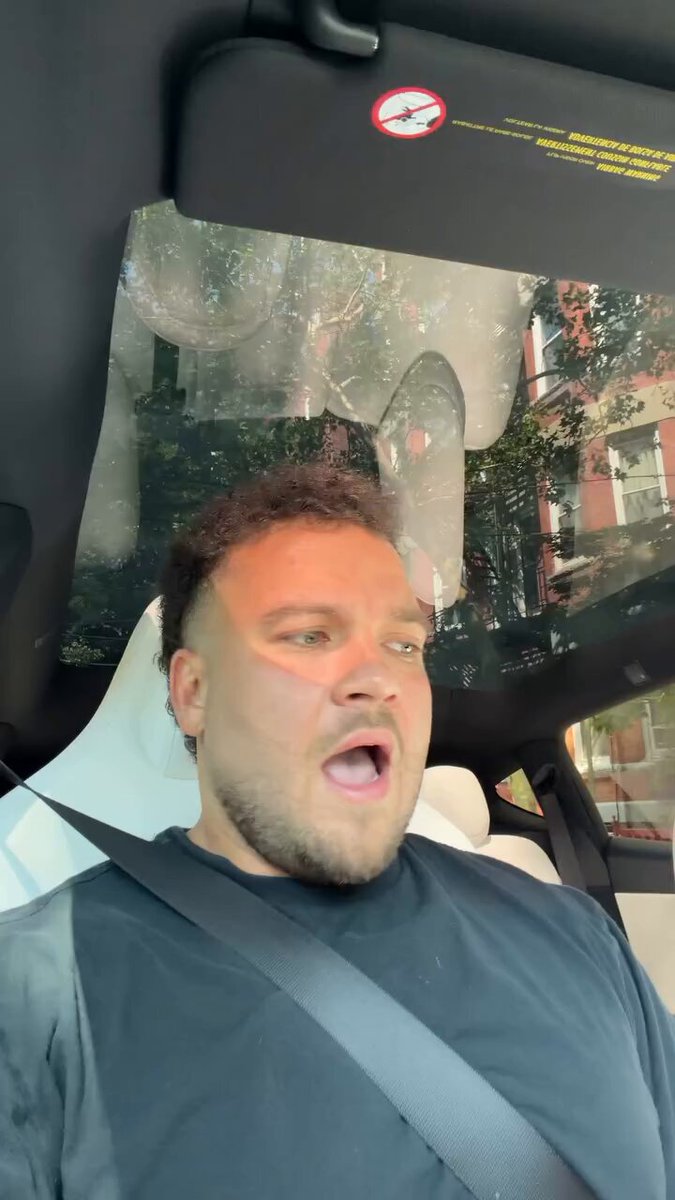
Elon Musk posted a three-word endorsement of Tesla's Full Self-Driving technology on August 12 — 'Tesla FSD FTW' — alongside a video that racked up over 676,000 views within hours. Short on words, long on signal: the CEO is publicly doubling down on FSD at a moment when the technology is mid-rollout on two separate hardware generations and facing a patchwork of international regulatory decisions. Here's what owners should actually understand about where FSD stands right now.

What version of FSD is actually rolling out right now?
Two versions are in active deployment as of this week. Vehicles with Hardware 4 (HW4/AI4) are receiving FSD v14.3.7, while Hardware 3 owners are getting FSD v14.1 Lite — both sharing firmware version 2026.21.6. The HW3 version launched in limited early access around August 8–9 and is still a controlled rollout as Tesla collects data and feedback. Early users on v14.1 Lite are reporting meaningful improvements: resolution of the persistent highway accelerator pulsing that plagued earlier builds, reduced brake tapping, and more confident handling of turns, stops, and merges. That said, some HW3 vehicles have flagged thermal events (ECU overheating) and occasional false-braking, so this is still a software-in-progress situation.
Is FSD actually autonomous? What does 'Supervised' mean in practice?
No — and this is the most important thing to understand. Tesla officially brands the product as 'Full Self-Driving (Supervised),' and that word carries real legal and practical weight. FSD is classified as SAE Level 2 automation, meaning the driver must remain attentive and ready to take over at any moment. The system can handle lane changes, navigation routing, object avoidance, and turns, but it does not make the vehicle fully autonomous. Tesla states that vehicles with FSD engaged experience fewer collisions than those driven without it, but the supervised requirement is non-negotiable under current regulations.
How much does FSD cost, and can you still buy it outright?
No — as of February 14, 2026, Tesla ended the one-time purchase option entirely. FSD is now subscription-only in the U.S. at $99 per month. If you previously purchased the Enhanced Autopilot package, you qualify for a discounted rate of $49 per month, a benefit that went into effect on January 29, 2026. The last one-time purchase price before the cutoff was $8,000. Musk has previously indicated the monthly price will rise as FSD capabilities improve and the product moves closer to full autonomy.
Where is FSD approved internationally — and where isn't it?
The regulatory picture is fragmented. In Europe, the Dutch regulator RDW approved FSD in April 2026, and a broader EU-wide vote is scheduled for October 6, 2026. France has formally objected, citing concerns about speeding behavior and insufficient driver-attention monitoring — meaning it will not approve FSD regardless of the EU outcome. In China, full approval remains a distant prospect due to data regulation requirements, though Tesla has recently hired personnel to begin local FSD testing. For U.S. owners, none of this changes day-to-day access, but it matters for anyone traveling or relocating internationally.
Why is Musk posting this now — is there a strategic reason?
Context matters here. Analyst Gary Black raised concerns on the same day — August 12 — about Tesla's autonomous driving ambitions, suggesting a potential scaling back of FSD plans and flagging possible erosion of investor confidence. Meanwhile, Tesla's AI head Ashok Elluswamy has reportedly cited a current FSD fleet growth rate of 10% per week. Musk's post lands squarely in that environment: a brief, high-visibility signal that leadership remains committed to FSD as a core product. Whether the video attached to the tweet shows a specific capability or scenario is worth watching — the footage itself will likely generate its own community analysis over the coming days. For our full FSD coverage, the trajectory is clear: Tesla is pushing harder on FSD deployment, not pulling back.
Related Gear
Gear up your Tesla with tested, custom-fit BASENOR accessories — shop Tesla accessories →
Sources & reporting notes
The links below identify the material source records used for this report.
- @elonmusk on X (2026-08-12T17:09:18.000Z) — Direct source
Source links are preserved as published or accessed. See our editorial standards and corrections policy.
The BASENOR Editorial Desk covers Tesla, SpaceX, and related technology, curating reporting from primary sources — official accounts, regulatory filings, and software release data. Every article passes source-record and fact-checking review before publication. About the newsroom.
This report was curated by the BASENOR Editorial Desk from the sources listed above. Read our editorial standards or email editorial@basenor.com to report an error.