30-Second Brief
The News: On March 4, 2026, Elon Musk declared that Tesla will achieve Artificial General Intelligence (AGI) — and will likely be the first company to realize it in humanoid, physical form through the Optimus robot.
Why It Matters: This isn't just a moonshot statement. Tesla is backing it with $20B+ in 2026 capex, a next-gen AI chip deal, and a pivot of its Fremont factory lines toward Optimus production — reshaping what Tesla is as a company.
Source: @TeslaNewswire on X

Two Types of Intelligence — And Why Tesla Targets Both
Musk's AGI framing isn't abstract philosophy. He drew a clear line between two categories of work that AI must master:
- Digital / information-only tasks — what Musk calls "changing bits" — covering white-collar work like coding, writing, analysis, and reasoning. This is the domain where models like xAI's Grok are already competing.
- Physical / atom-shaping tasks — manipulating the real world through robotics. This is where Tesla believes it has a structural edge no pure-software AI lab can match.
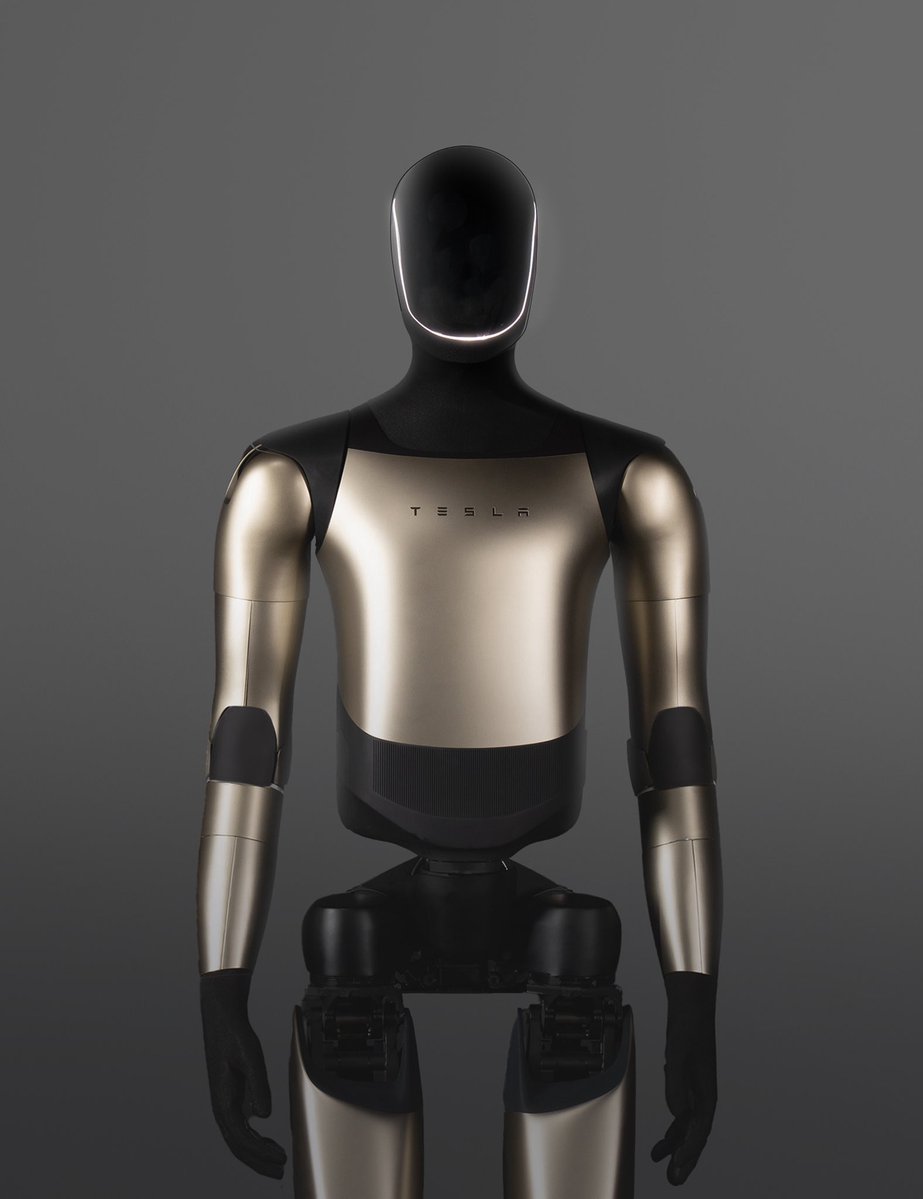
The second category is where Optimus enters the picture — and where Musk believes Tesla's competitive moat is deepest. No other AI company has a humanoid robot in production, a manufacturing infrastructure at scale, or the real-world sensor data that Tesla's fleet generates daily.
📊 Key Figures
| Metric | Value | Context |
|---|---|---|
| 2026 Capital Expenditure | $20B+ | vs $8.5B in 2025 |
| FSD Cumulative Miles | 8.4B miles | As of March 1, 2026 |
| Optimus Annual Production Target | 1M units/yr | Initial target |
| AI6 Chip Wafer Target | ~40,000/mo | Via Samsung 2nm process |
| xAI Colossus GPU Count | 200,000 → 1M | Current → target |
| AGI Timeline (Musk estimate) | By end of 2026 | Stated at Davos 2026 |
Optimus: The Physical Proof of AGI
What separates Tesla's AGI ambition from every other lab's is the physical layer. Musk's claim isn't just that Tesla will build a smarter chatbot — it's that Tesla will be the first to embed AGI into a humanoid body that can interact with the physical world.
The roadmap is already in motion. According to Tesla's Q4 earnings report, production lines for the Model S and Model X at the Fremont, California facility are being converted into a pilot line for Optimus manufacturing. An updated Optimus model is targeted for Q1 2026, with mass manufacturing commencing before year-end. The initial production goal: 1 million units annually.
That's not a research project. That's a product launch timeline.
The Data Advantage No One Else Has
AGI requires data at a scale that most companies can't access. Tesla's argument is that it already has it — and is generating more every day. As of March 1, 2026, Tesla's FSD neural network has accumulated over 8.4 billion cumulative miles of real-world driving data. That's not simulated data. That's edge cases, weather events, human unpredictability, and physical-world complexity captured at a scale no lab can replicate in a controlled environment.
On March 3, 2026 — just one day before Musk's AGI declaration — Tesla's official X account posted "Increasingly sentient" alongside a video, a deliberate signal of how the company is repositioning its AI narrative publicly.
To support the compute demands of AGI development, Tesla is in discussions with Samsung Electronics to expand its AI6 chip supply deal, targeting approximately 40,000 wafers per month using Samsung's 2-nanometer process. These chips will power FSD, Optimus, and Tesla's internal AI data centers simultaneously.
🔭 The BASENOR Take
Timeline: March 4, 2026 — Musk's public AGI declaration, backed by Davos 2026 "by year-end" prediction
Impact Level: 🔴 High — This reframes Tesla's entire business identity
Confidence Rating: Medium-High — The infrastructure investments are real and verifiable; the AGI timeline remains Musk's estimate
Here's the honest read: Musk has made ambitious timeline predictions before that have slipped. But this time, the financial commitments are unusually concrete. A $20B+ capex plan — more than double 2025's spend — doesn't get approved for a vision statement. It gets approved when there's a product roadmap behind it.
For Tesla owners, the near-term implication isn't AGI itself — it's what the infrastructure build-out means for FSD. Every GPU added to xAI's Colossus cluster, every AI6 chip wafer secured from Samsung, every mile of FSD data collected feeds the same neural network stack that runs Full Self-Driving on your car today. The AGI push and the FSD improvement curve are not separate tracks — they're the same track.
The Optimus factory pivot at Fremont is the most tangible signal to watch. Converting Model S/X lines to Optimus production is a real capital allocation decision with real opportunity costs. It tells you where Tesla's leadership believes the value creation is headed.
Whether AGI arrives by year-end 2026 or later, the direction is set. Tesla is no longer positioning itself as an automaker that does AI. It's positioning itself as an AI company that makes cars — and increasingly, robots.
For owners invested in the FSD journey, that distinction matters. The same bets that are supposed to produce AGI are the bets that are supposed to make your car drive itself. They succeed or fail together. For our ongoing FSD coverage, follow that tag as this story develops.
🤖 Tracking Tesla's humanoid robot? See every Optimus production milestone and appearance in our Tesla Optimus Tracker.
Related Gear
Gear up your Tesla with tested, custom-fit BASENOR accessories — shop Tesla accessories →
Sources & reporting notes
The links below identify the material source records used for this report.
- @TeslaNewswire on X (2026-03-04T15:58:02.000Z) — Direct source
Source links are preserved as published or accessed. See our editorial standards and corrections policy.
The BASENOR Editorial Desk covers Tesla, SpaceX, and related technology, curating reporting from primary sources — official accounts, regulatory filings, and software release data. Every article passes source-record and fact-checking review before publication. About the newsroom.
This report was curated by the BASENOR Editorial Desk from the sources listed above. Read our editorial standards or email editorial@basenor.com to report an error.