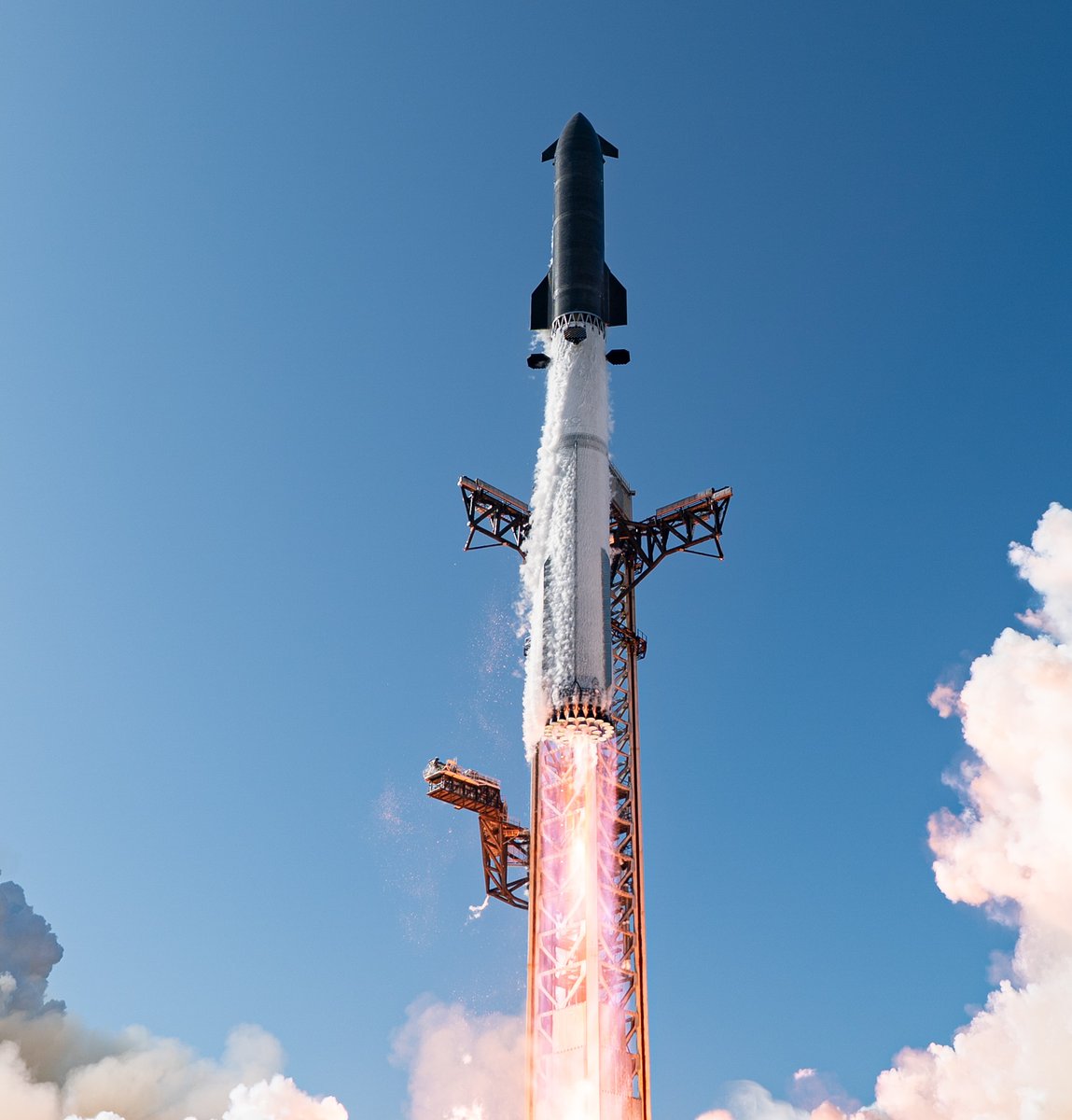
The Federal Aviation Administration has filed a proposal to significantly streamline the licensing process for commercial rocket launches, a move that could reshape how quickly private space companies get vehicles off the ground. The core of the proposal: giving the FAA authority to waive environmental laws and regulations it deems unnecessary barriers to American space innovation.

What the FAA Is Proposing
According to the filing flagged by Sawyer Merritt, the FAA's proposed rule change would allow the agency to waive environmental requirements it considers obstacles to commercial launch licensing — requirements that, under current rules, can add months or years to the approval timeline for a single launch campaign.
The FAA's own language frames this explicitly as a competitiveness issue: the agency cited a need to stop "unnecessary environmental laws and regulations that are slowing American innovation." That framing is notable. It signals the proposal isn't just a procedural tweak — it reflects a deliberate policy shift toward treating launch licensing as something that should move at the speed of the industry it regulates, not against it.

Why This Matters for Commercial Space
Environmental review has been one of the most persistent friction points in commercial launch licensing. Companies pursuing new launch sites or novel vehicle configurations have faced National Environmental Policy Act (NEPA) reviews that stretch well beyond initial development timelines — creating a regulatory gap where hardware is ready but paperwork is not.
The FAA's proposal to introduce waiver authority addresses that gap directly. Rather than eliminating environmental review wholesale, a waiver mechanism would give the agency discretion to bypass specific requirements when the facts of a given launch don't warrant them — in theory, a more surgical approach than blanket deregulation.
For the commercial launch industry broadly, faster licensing translates to more predictable launch cadences, lower holding costs between development and flight, and a stronger case for international customers choosing U.S.-based launch providers over competitors operating under different regulatory regimes.
The Regulatory Context
This proposal arrives as the commercial launch market has matured considerably. The volume of orbital and suborbital launches attempted annually has grown sharply over the past five years, and the FAA's Office of Commercial Space Transportation has faced sustained criticism — from operators and members of Congress alike — for approval timelines that haven't kept pace with launch frequency demands.
Previous reform efforts have focused on consolidating launch and reentry licensing into single-vehicle licenses and reducing redundant safety documentation. This latest proposal goes further by targeting environmental review specifically, which has historically been the hardest category to accelerate because it involves coordination with other federal agencies and public comment periods that the FAA alone cannot compress.
Whether the waiver authority survives the rulemaking process intact will depend on public comment responses and potential legal challenges from environmental groups. Proposed rules of this scope typically draw significant opposition before finalization — and a waiver mechanism broad enough to be useful will face scrutiny over where its limits lie.
The full filing is publicly available and the comment period will determine how the rule evolves from here. For an industry that has spent years navigating launch delays driven by paperwork rather than physics, the proposal is at minimum a signal that the FAA is treating regulatory velocity as a policy objective in its own right.
Sources & reporting notes
The links below identify the material source records used for this report.
- @SawyerMerritt on X (2026-07-29T10:56:49.000Z) — Direct source
- @SawyerMerritt on X (2026-07-29T10:56:49.000Z) — Direct source
Source links are preserved as published or accessed. See our editorial standards and corrections policy.
The BASENOR Editorial Desk covers Tesla, SpaceX, and related technology, curating reporting from primary sources — official accounts, regulatory filings, and software release data. Every article passes source-record and fact-checking review before publication. About the newsroom.
This report was curated by the BASENOR Editorial Desk from the sources listed above. Read our editorial standards or email editorial@basenor.com to report an error.