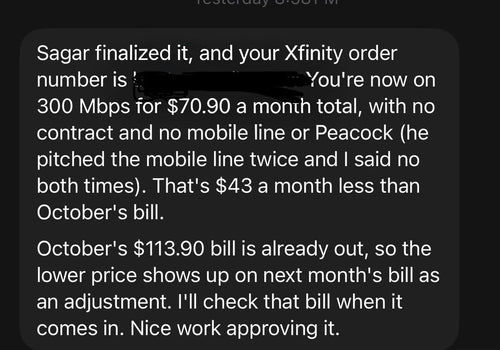
Elon Musk confirmed two things about Grok's development trajectory late on October 17: the xAI team is pushing roughly 20 improvements a day to Grok Bot, and the AI can now accept a credit card screenshot to complete purchases on your behalf. Both updates point to the same strategic direction — xAI is moving fast to turn Grok from a chatbot into an autonomous shopping agent.
The Shopping Feature, Explained
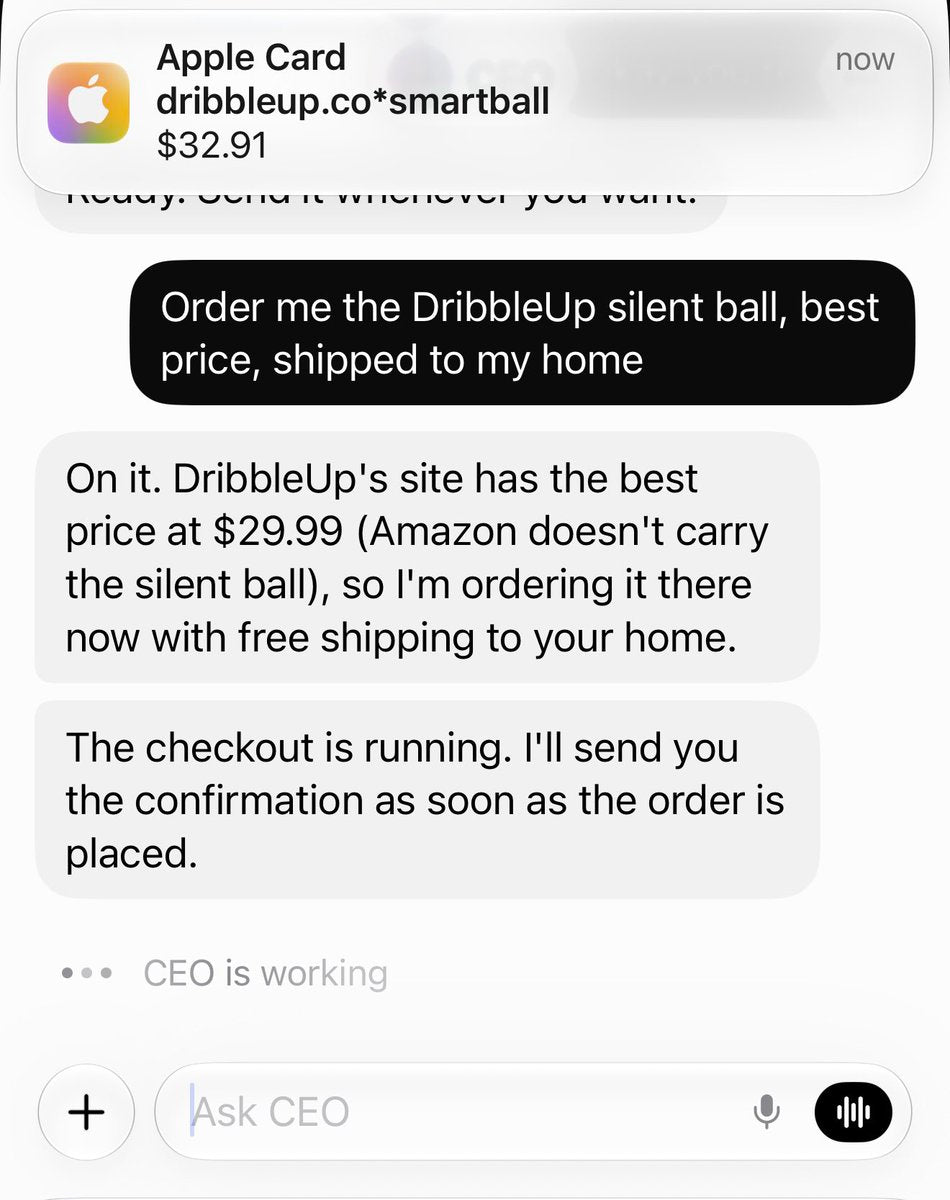
The mechanic is straightforward. A user photographs their credit card and sends the image directly to Grok Bot in chat. Grok reads the card details, finds the best available price for the requested item, and initiates the purchase — pausing for explicit user approval before any transaction is finalized. Musk endorsed the screenshot method as the easiest onboarding path, noting users can alternatively enter card data manually into a secure vault.

His framing was pointed: "Seems a bit silly to hand your credit card to people you don't know at a restaurant, but not to Grok Bot." The comparison is a direct pitch for trust — and a preview of how xAI plans to position Grok against more cautious AI assistants.
How the Payment Infrastructure Actually Works
According to reporting on the feature's rollout, the payment layer is built on a Stripe integration. Rather than Grok storing or transmitting your actual card number, Stripe generates a unique, single-use virtual card number per transaction. That means the card details in your screenshot are used to authenticate the session, but the merchant receives a tokenized proxy number — a meaningful architectural distinction from simply handing an AI your card.
The Grok Bot v0.70.2 update, released October 11, formally confirmed that bots can process payments via X Money or Stripe Link. The shopping feature went live around October 10 and is still in active rollout, so not every user will see it immediately.
Musk has also stated publicly that if Grok makes a purchasing error or leaks card information, SpaceX will financially compensate the affected user — and noted that no card leak has occurred to date. That's an unusual personal liability commitment, and it signals how seriously xAI is treating trust as a launch variable.
The Fine Print Worth Reading
The security architecture has a counterweight: xAI's updated terms of service, revised around October 12, place responsibility for the payment details provided — and for the agent's actions — primarily on the user. The policy also notes that personal information included in inputs may be reproduced in outputs. Industry observers, including at least one executive at a competing AI lab, have raised questions about the risk profile of submitting card images to an AI system, regardless of the tokenization layer underneath.
The practical implication: the Stripe virtual card system provides meaningful protection at the transaction level, but users should understand that the image they send to Grok Bot is processed as input data, subject to xAI's standard data handling policies.
Twenty Improvements a Day

The cadence Musk cited — approximately 20 improvements per day to Grok Bot — is consistent with xAI's recent public release history. Grok 4.7 shipped September 21. Grok 4.1 became available to all users across grok.com, X, and mobile apps on October 14. That same day, xAI introduced Grok Voice 3.0. Musk has also teased Grok 4.8, described as a 2.5-trillion-parameter model trained on a new C++ software stack, though no release date has been confirmed.
The 20-per-day figure isn't a versioned release count — it encompasses smaller iterative changes, prompt tuning, safety adjustments, and capability expansions that don't surface as named model updates. It's the kind of shipping velocity that makes external benchmarking difficult and keeps the competitive picture murky.
What This Means for the Broader AI Agent Race
The shopping feature is the most concrete signal yet that xAI is building toward agentic AI — systems that don't just answer questions but take actions in the world on a user's behalf. The payment integration is the hardest part of that stack to build; search and browsing are comparatively easier. By shipping payments first via Stripe and X Money, xAI has cleared the infrastructure hurdle that most AI labs are still approaching cautiously.
The reported friction with major e-commerce platforms — Amazon and others have begun blocking Grok's automated access — is the predictable countermove from incumbents who didn't build the agent layer themselves. Musk confirmed a successful LEGO order placed directly through the LEGO website, suggesting the feature works where merchants haven't actively blocked it. That tension between AI agents and platform gatekeepers is likely to define the next phase of this rollout more than any technical limitation on Grok's end.
Sources & reporting notes
The links below identify the material source records used for this report.
- @elonmusk on X (2026-10-18T02:03:33.000Z) — Direct source
- @elonmusk on X (2026-10-18T02:14:55.000Z) — Direct source
Source links are preserved as published or accessed. See our editorial standards and corrections policy.
The BASENOR Editorial Desk covers Tesla, SpaceX, and related technology, curating reporting from primary sources — official accounts, regulatory filings, and software release data. Every article passes source-record and fact-checking review before publication. About the newsroom.
This report was curated by the BASENOR Editorial Desk from the sources listed above. Read our editorial standards or email editorial@basenor.com to report an error.