📌 UPDATE — August 9, 2026
Elon Musk confirmed that Grok Imagine now supports native meme generation, adding a new creative use case on top of the region editing, multi-image inputs, and smart-resize features covered below. The announcement came via a brief post on X alongside a sample image, suggesting the feature is already live. This positions Grok Imagine as a more casual, shareable content tool — not just a precision image editor — potentially broadening its everyday appeal beyond power users.

@elonmusk · Aug 9, 2026 — "Grok Imagine can meme" · 👍 1,855 · 🔁 258 · 👁️ 577K
xAI shipped Grok Imagine Image 2.0 on August 7, 2026, and Elon Musk followed up the next day with a direct nudge to go try it. The update isn't a minor polish pass — it introduces region-level editing, multi-image compositing, and a suite of pre-built templates that move Grok Imagine from a text-to-image toy into a legitimate creative tool. Here's what the upgrade actually delivers.


1. Region-Level Editing Replaces the Whole-Image Guessing Game
The headline capability in Image 2.0 is precise, localized editing. A magic wand tool lets you select a specific area of an image — a background, a face, a product — and modify only that region without touching the rest of the frame. Background removal is also built in, letting you export subjects with full transparency for use in other projects. According to xAI's documentation, this is powered by segmentation technology that identifies distinct elements within a scene before applying any edit.
2. You Can Feed It Up to Five Reference Images at Once
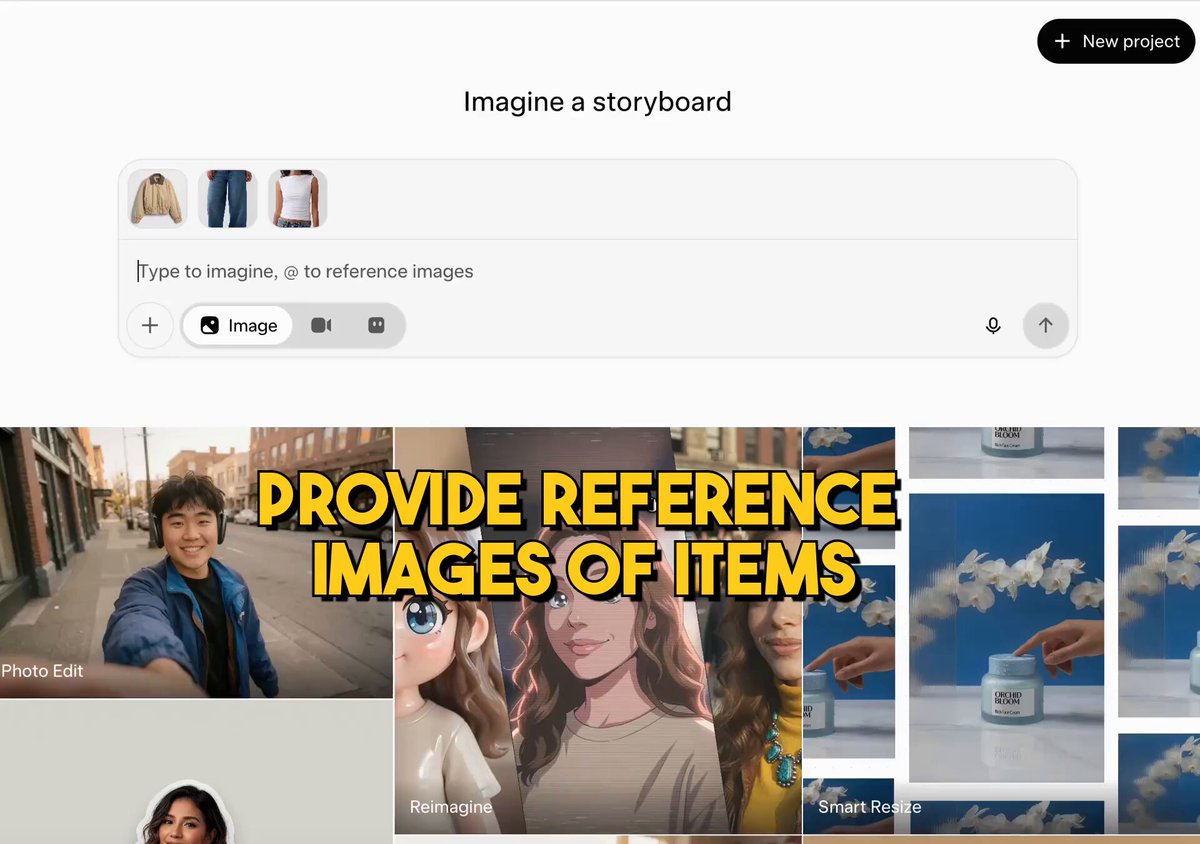
Multi-image compositing has historically required separate tools and manual layering. Image 2.0 accepts up to five input images in a single generation on the consumer side, letting Grok blend styles, subjects, or layouts from multiple sources in one prompt. The API currently supports up to three reference images, according to xAI's developer documentation. For anyone doing product mockups or creative composites, this closes a significant workflow gap.
3. Smart-Resize Covers Nine Aspect Ratios Automatically
Reformatting a single image for different platforms — a square for Instagram, a wide banner for a website, a vertical crop for Stories — usually means cropping manually and losing important parts of the frame. Smart-resize in Image 2.0 recomposes the image intelligently across nine aspect ratios rather than just cropping. The model figures out what matters in the frame and adjusts the composition accordingly.
4. Pre-Built Templates Target Specific Use Cases
Image 2.0 ships with pre-configured workflow templates for product shots, professional headshots, e-commerce listings, game assets, and marketing posters. These aren't just style presets — they're structured starting points that set the right parameters for each task type. For users who don't want to engineer prompts from scratch, this significantly lowers the barrier to getting usable output on the first try.
5. It Ranks Second Globally — Behind One Competitor
As of August 7, 2026, Grok Imagine Image 2.0 sits second on the Arena leaderboards in both text-to-image generation and image editing, according to verified leaderboard data. The model ahead of it is OpenAI's gpt-image-2. The recommended model identifier for new projects is grok-imagine-image-quality, and the models now appear under the "SpaceXAI" name on Arena. Second place in a crowded field at launch is a credible opening position — the more relevant question is how quickly xAI iterates from here.
Grok Imagine Image 2.0 is live now at grok.com/imagine and in the xAI iOS and Android apps. If the video Musk posted is any indication of what the editing tools can do in practice, it's worth a hands-on test before forming an opinion from the spec sheet alone.
Sources & reporting notes
The links below identify the material source records used for this report.
- @elonmusk on X (2026-08-08T16:25:33.000Z) — Direct source
- @elonmusk on X (2026-08-08T16:27:48.000Z) — Direct source
Source links are preserved as published or accessed. See our editorial standards and corrections policy.
The BASENOR Editorial Desk covers Tesla, SpaceX, and related technology, curating reporting from primary sources — official accounts, regulatory filings, and software release data. Every article passes source-record and fact-checking review before publication. About the newsroom.
This report was curated by the BASENOR Editorial Desk from the sources listed above. Read our editorial standards or email editorial@basenor.com to report an error.