30-Second Brief
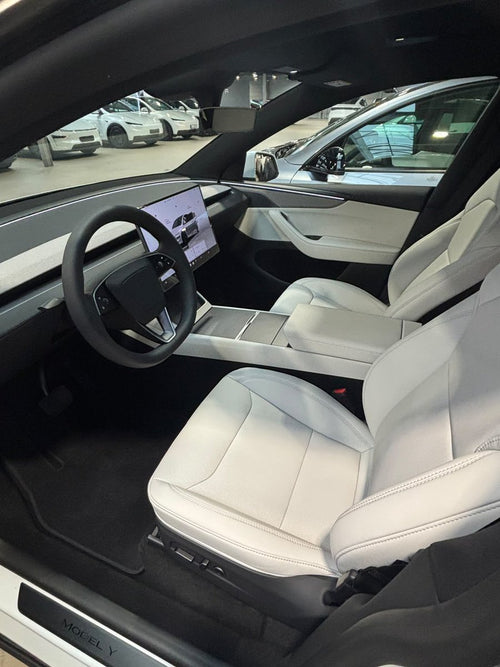
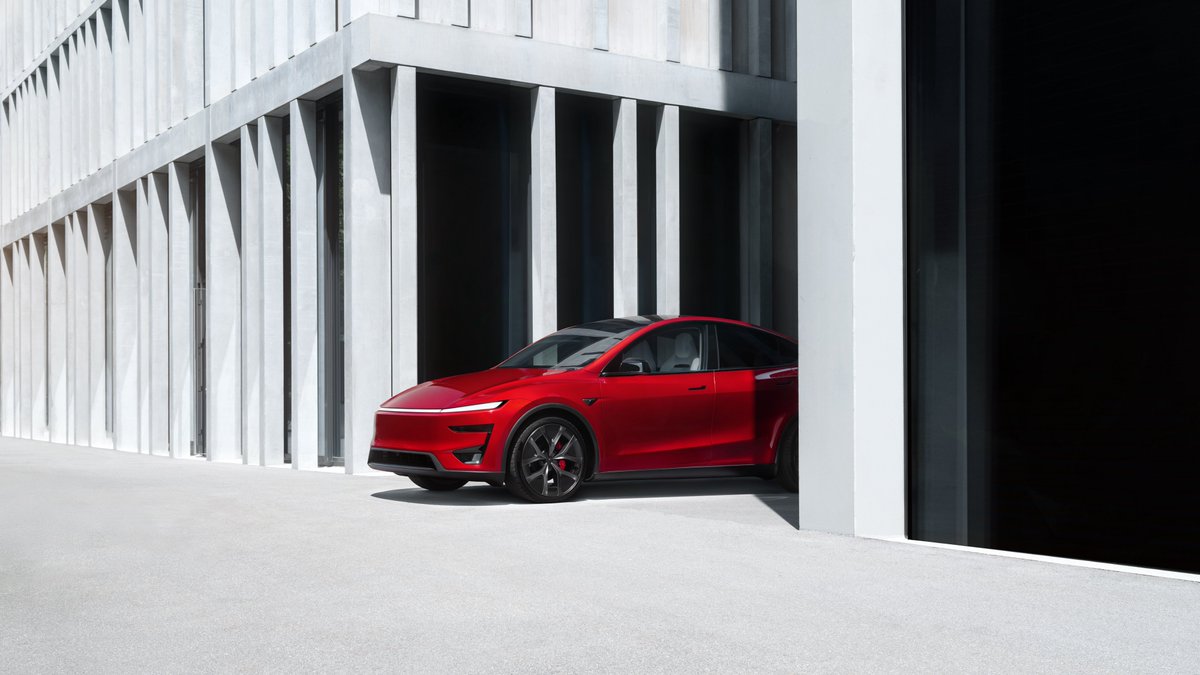
The News: Tesla Model Y secured the top spot as California's best-selling new vehicle for the fourth consecutive year in 2025, with 110,120 registrations.
Why It Matters: This milestone demonstrates sustained consumer preference for Tesla's crossover despite declining overall sales volumes and the expiration of federal tax credits — a critical indicator of EV market maturity in the world's 5th largest economy.
Source: Tesla North America on X
📊 Key Figures
| Metric | 2025 Data | Context |
|---|---|---|
| Model Y Registrations | 110,120 units | Down from 128,923 in 2024 |
| Lead Over #2 (RAV4) | +44,516 units | RAV4: 65,604 registrations |
| Years at #1 | 4 consecutive | 2022, 2023, 2024, 2025 |
| Total Tesla CA Sales | 179,656 units | Down from 238,589 in 2023 |
| Model 3 Registrations | 53,989 units | Ranked 4th overall in California |
Source: California New Car Dealers Association (CNCDA)

🔭 The BASENOR Take
Timeline: California 2025 sales data released February 2026
Impact Level: 🔥🔥🔥🔥 HIGH — Market leadership validation despite headwinds
Confidence: ✅ CONFIRMED — Based on official CNCDA registration data
This is a tale of two narratives. On one hand, the Model Y's fourth consecutive year as California's best-selling vehicle — not just best-selling EV, but best-selling vehicle period — represents a historic achievement no other electric vehicle has matched. On the other, the 14.5% year-over-year decline in registrations signals that even dominant players aren't immune to market pressures.
The 44,516-unit margin over the Toyota RAV4 is substantial, but it's worth noting that Tesla held this position while navigating two significant challenges in 2025: a production pause in early 2025 to transition to the refreshed Model Y variant, and the expiration of the federal $7,500 EV tax credit that had previously made Tesla vehicles more accessible to California buyers.
What makes this milestone particularly significant for Tesla owners is what it signals about resale value and network effects. When your vehicle is the most popular in the nation's largest automotive market, you benefit from widespread service infrastructure, robust aftermarket support, and stronger residual values. California's 110,120 Model Y buyers in 2025 joined an ecosystem where parts availability, repair expertise, and charging infrastructure are optimized around their vehicle choice.
The broader Tesla sales decline in California — from 238,589 units in 2023 to 179,656 in 2025 — deserves context. According to the California New Car Dealers Association data, this 24.7% drop coincided with the federal tax credit expiration and a transitional year where both Model Y and Model 3 received significant updates. The Model 3 still managed to secure the 4th position statewide with 53,989 registrations, placing two Tesla models in California's top four.
What This Means for the EV Transition
California represents approximately 11% of total U.S. new vehicle sales and has historically been a leading indicator for automotive trends nationwide. The Model Y's sustained dominance in this market — outselling the perennial favorite RAV4 by nearly 70% — demonstrates that EV adoption has moved beyond early adopters into mainstream consumer preference, at least in markets with mature charging infrastructure.
The competitive landscape shows the Model Y beating the Toyota Camry (62,324 registrations) and maintaining a commanding lead over all gas-powered crossovers. This is particularly notable given that crossovers and SUVs represent the most popular vehicle segment in the U.S. market. Tesla has effectively replaced the default choice in America's favorite vehicle category — in the world's fifth-largest economy.
For current Model Y owners, this data point reinforces several practical advantages:
- Service Network Density: High sales volumes justify Tesla's continued investment in California service infrastructure
- Resale Market Liquidity: Popular vehicles sell faster and command better prices in secondary markets
- Software Development Priority: High-concentration markets typically receive feature rollouts and updates earlier
- Insurance Competition: More data on Model Y ownership leads to more competitive insurance rates over time
The Decline Question
The elephant in the room is the 14.5% drop in Model Y registrations year-over-year. According to verified reports, this decline stemmed from two primary factors: the early 2025 production pause to transition manufacturing to the refreshed variant revealed in January 2025, and macroeconomic pressure from the federal tax credit expiration which effectively raised prices by $7,500 for many buyers.
However, maintaining market leadership despite these headwinds actually strengthens Tesla's competitive position. The RAV4, Camry, and other top sellers didn't face a multi-week production pause or lose thousands in purchase incentives — yet the Model Y still outsold them by significant margins. This suggests that the Model Y's value proposition — range, performance, technology, and total cost of ownership — resonates strongly enough to overcome temporary disadvantages.
The refreshed Model Y that launched in early 2025 is expected to drive renewed demand as production ramps and the updated variant becomes widely available. California buyers in particular tend to value the latest technology and design updates, which could support a recovery in 2026 registration figures.
📰 Deep Dive
Four consecutive years at number one isn't just a sales achievement — it's a fundamental shift in how Americans think about vehicle purchases. When the Model Y first claimed California's top spot in 2022, it marked the first time an electric vehicle had ever led any state's sales charts. That it has maintained this position through 2025, despite increased EV competition from legacy automakers and new entrants, demonstrates remarkable brand loyalty and product-market fit.
The California market is uniquely challenging and uniquely important. It's challenging because of stringent emissions regulations, aggressive EV adoption targets, and sophisticated buyers with high expectations. It's important because California alone accounts for more vehicle sales than many entire countries, and trends that start here often spread nationwide within 2-3 years. The Model Y's dominance in this market sends a clear signal to the automotive industry: electric crossovers aren't a niche product or a compliance play — they're the mainstream choice when executed well.
For Tesla owners, this milestone validates a choice that may have seemed unconventional just five years ago. The Model Y isn't an alternative vehicle anymore — in California, it's simply the vehicle. That psychological shift, backed by hard registration data, has implications far beyond bragging rights. It influences how quickly charging infrastructure expands, how aggressively insurance companies compete for EV policies, and how much attention Tesla dedicates to serving this critical market.
The next test will be whether Tesla can reverse the declining sales trend in 2026 with the refreshed Model Y now in full production and potentially new federal EV incentives under discussion. But regardless of what 2026 brings, 2025's results prove that the Model Y has firmly established itself as California's vehicle of choice — a position earned through four years of consistent execution and customer satisfaction in the world's most competitive automotive market.
Related Gear
Gear up your Model Y with tested, custom-fit BASENOR accessories — shop Model Y accessories →
Sources & reporting notes
The links below identify the material source records used for this report.
- @tesla_na on X (2026-02-14T05:33:21.000Z) — Direct source
Source links are preserved as published or accessed. See our editorial standards and corrections policy.
The BASENOR Editorial Desk covers Tesla, SpaceX, and related technology, curating reporting from primary sources — official accounts, regulatory filings, and software release data. Every article passes source-record and fact-checking review before publication. About the newsroom.
This report was curated by the BASENOR Editorial Desk from the sources listed above. Read our editorial standards or email editorial@basenor.com to report an error.